Football is more than just a game; it is a cultural phenomenon that resonates deeply within the hearts of fans across the globe. The clash between Botafogo, one of Brazil’s most storied football clubs, and Barcelona SC, Ecuador’s pride, is not merely a match on the pitch but a reflection of the rich football cultures that represent their respective nations. In this article, we will explore the historical significance, cultural implications, and the footballing philosophies that define both clubs, ultimately highlighting what this clash means for fans and football at large.
The Historical Background of Botafogo
Founded in 1904, Botafogo de Futebol e Regatas, commonly known as Botafogo, is one of Brazil’s most traditional football clubs. Based in Rio de Janeiro, the club has a rich history characterized by remarkable achievements and iconic players.
- Major Titles: Botafogo has won numerous state championships and national titles, including the Campeonato Brasileiro Série A and the Copa do Brasil.
- Iconic Players: The club has produced legendary players such as Garrincha, Jairzinho, and more recently, players like Seedorf, who have contributed to its legacy.
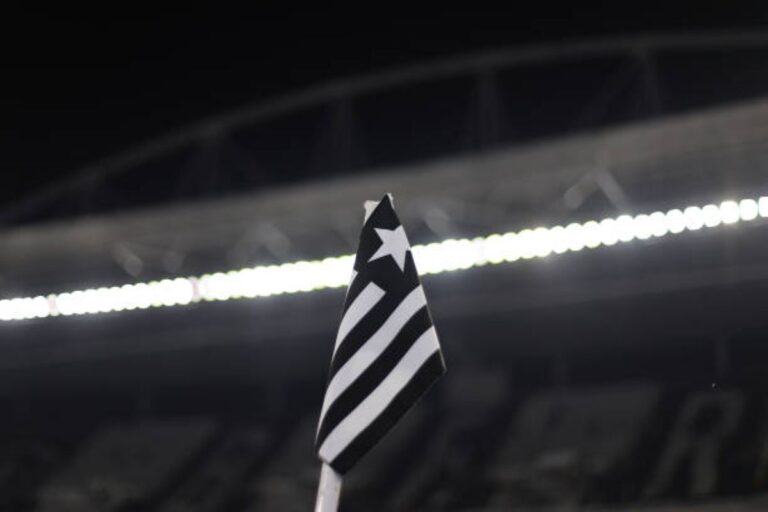
- Club Colors and Symbol: The black and white colors symbolize the club’s identity, with the star representing its historical significance in Brazilian football.
The Legacy of Barcelona SC

Barcelona Sporting Club, established in 1925 in Guayaquil, Ecuador, is one of the most successful football clubs in South America. Known for its passionate fan base, Barcelona SC has carved a niche for itself in Ecuadorian football and beyond.
- Achievements: The club has won the Ecuadorian Serie A multiple times and is a regular contender in international competitions such as the Copa Libertadores.
- Influential Players: Barcelona SC has been home to players like Loco Abreu and current stars who have made significant contributions to the club’s success.
- Club Identity: The yellow and burgundy colors reflect the club’s rich heritage, with the name “Barcelona” inspired by the famous Spanish club, emphasizing aspirations for greatness.
Footballing Philosophies: Brazil vs. Ecuador
The clash between Botafogo and Barcelona SC is not just about the teams—it’s a representation of their footballing philosophies, shaped by their respective cultures.
Brazilian “Jogo Bonito”

In Brazil, football is often referred to as “Jogo Bonito,” which translates to “the beautiful game.” This philosophy emphasizes skill, flair, and creativity on the pitch.
- Technical Skills: Brazilian players are renowned for their dribbling, ball control, and the ability to perform intricate plays.
- Emphasis on Individuality: Players are encouraged to express themselves, often leading to unpredictable and entertaining matches.
- Team Spirit: While individual brilliance is celebrated, there is also a strong sense of unity and teamwork that drives the collective success of the team.
Ecuadorian Resilience
Contrastingly, Ecuadorian football, as exemplified by Barcelona SC, emphasizes resilience, tactical discipline, and a strong work ethic.
- Physicality: Ecuadorian players often exhibit great physical strength and stamina, making them difficult opponents in matches.
- Tactical Approach: The focus on tactical organization allows teams like Barcelona SC to adapt and counter various playing styles effectively.
- Collective Effort: Success is viewed as a collective endeavor, where teamwork and collaboration are paramount.
The Cultural Significance of the Match
:strip_icc()/s.glbimg.com/es/ge/f/original/2017/04/26/a_IG4W0No.jpg)
The encounter between Botafogo and Barcelona SC is not merely a sporting event; it is an opportunity for cultural exchange and showcasing the unique identities of Brazilian and Ecuadorian football.
- Fan Engagement: Matches between these clubs draw passionate supporters who bring their vibrant culture to the stadium, creating an electrifying atmosphere.
- Media Attention: The match garners international media coverage, allowing fans worldwide to engage with both clubs’ fan cultures.
- International Exposure: A clash of this nature provides a platform for players to showcase their skills on a larger stage, potentially attracting scouts and enhancing their careers.
Statistics and Case Studies
To better understand the dynamics of this rivalry, it is essential to look at historical data and past encounters. While the clubs have faced off in various competitions, a few key matches stand out:
- Match History: Historical encounters show a competitive edge, with both clubs having their share of victories and memorable moments.
- Player Performances: Analysis of individual performances during these matches reveals standout players who have made significant impacts, such as scoring critical goals or making crucial saves.
- Fan Reactions: Social media and fan forums provide insight into the emotional investment and passionate responses from supporters on both sides regarding their teams’ performances.
Modern Implications and Future Prospects
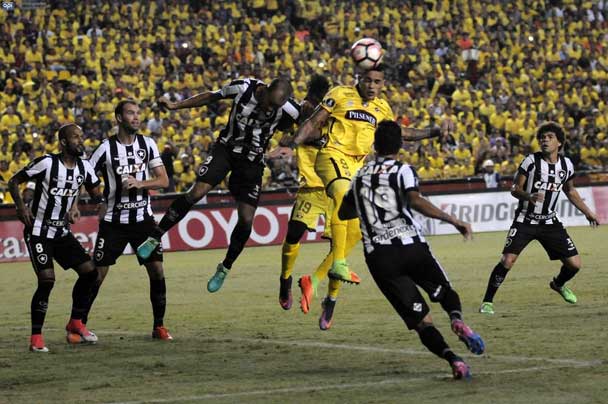
The modern era of football has seen both Botafogo and Barcelona SC evolve as clubs, adapting to changes in player development, fan engagement, and global marketing.
- Youth Development: Both clubs invest in youth academies, aiming to nurture the next generation of talent who can carry the club’s legacy forward.
- Global Reach: The advent of social media has allowed both clubs to connect with fans worldwide, expanding their influence beyond local borders.
- International Competitions: As both clubs participate in international tournaments, they face tougher competition, pushing them to elevate their game and strategies.
The clash between Botafogo and Barcelona SC is more than just a football match; it symbolizes the deep-rooted football cultures of Brazil and Ecuador. As fans from both sides come together to witness this spectacle, they are not only supporting their teams but also celebrating the vibrant tapestry of football that unites them. The historical significance, contrasting philosophies, and cultural implications make this rivalry a compelling narrative in the world of football. Whether it is the artistry of Brazilian “Jogo Bonito” or the tactical discipline of Ecuadorian resilience, each match serves as a testament to the beauty of the sport and its ability to transcend borders. As both clubs continue to evolve, the anticipation of future encounters remains high, promising more thrilling chapters in this ongoing saga of football culture.
