In recent years, Russia has witnessed a significant increase in domestic unrest, characterized by widespread protests and a growing political opposition. The landscape of Russian politics has been marked by an increasing authoritarian grip under President Vladimir Putin, leading to discontent among various segments of society. This article aims to analyze the factors contributing to protests, the nature of political opposition, and the implications of this unrest for Russia’s future.
Historical Context of Political Unrest in Russia
To understand the current state of unrest in Russia, it is crucial to consider the historical context. Russia has a long history of political dissent, dating back to the Tsarist regime and continuing through the Soviet era. The collapse of the Soviet Union in 1991 initially opened the door to political pluralism, but the subsequent rise of Putin in the early 2000s marked a shift towards centralized power and repression of dissent.
Factors Contributing to Domestic Unrest
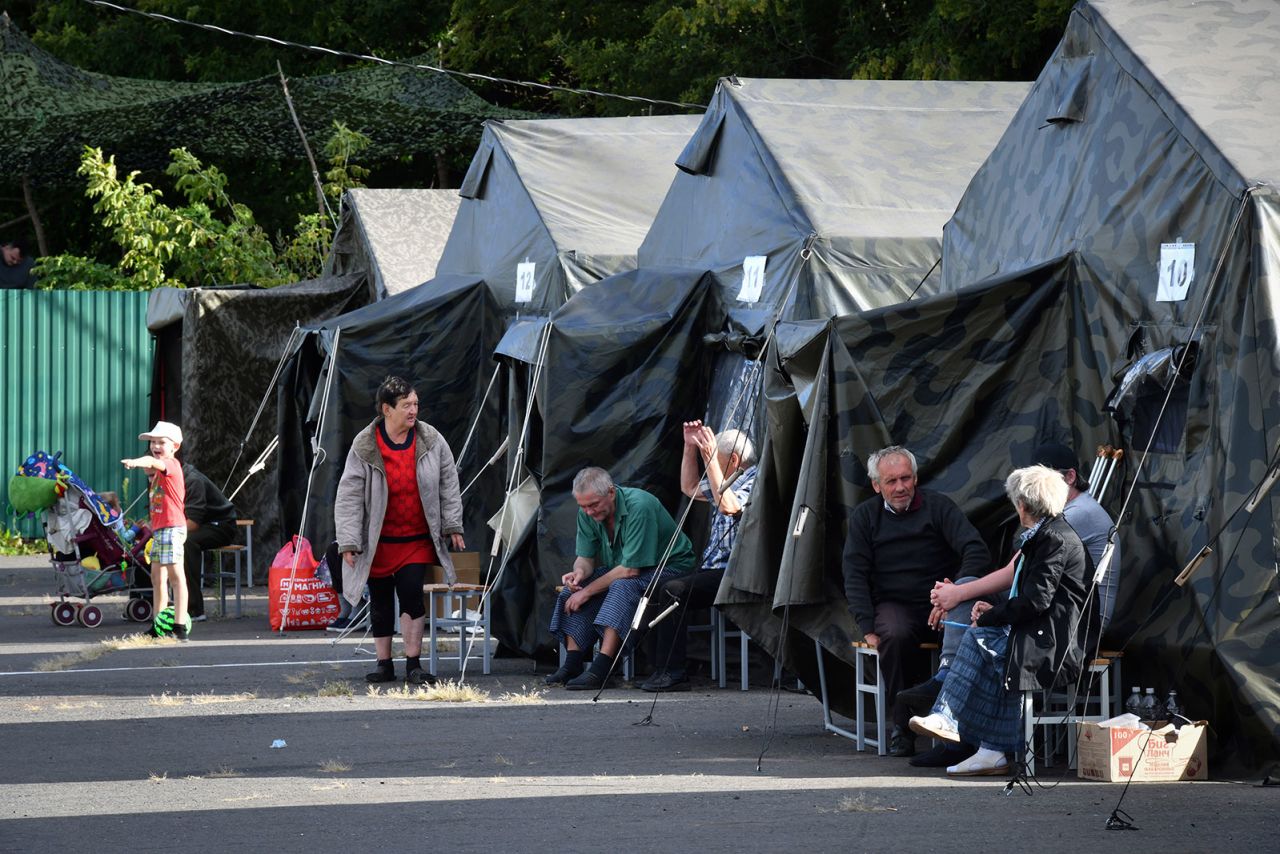
The rise of protests in Russia can be attributed to several interlinked factors:
- Economic Inequality: Despite the country’s vast wealth, particularly from natural resources, economic disparities have widened. Many Russians struggle with low wages and a lack of social mobility, leading to frustration and anger.
- Political Repression: The Kremlin has systematically cracked down on political opposition, media freedoms, and civil rights. This repression has pushed many into the streets as a form of resistance.
- Corruption: Corruption remains endemic in Russian politics, with many citizens feeling that government officials prioritize personal enrichment over public service. High-profile corruption cases, such as the one involving Alexei Navalny, have sparked outrage.
- Nationalism and Foreign Policy: The Kremlin’s aggressive foreign policy, particularly the annexation of Crimea in 2014 and military involvement in Ukraine, has polarized public opinion, contributing to domestic unrest among both supporters and opponents of these actions.
Key Protests and Movements
Several key protests and movements have emerged in recent years, highlighting the growing dissent among the Russian populace:
The 2011-2012 Protests

The mass protests of 2011-2012 were sparked by allegations of electoral fraud in the parliamentary elections. Tens of thousands of Russians took to the streets in cities across the country, demanding fair elections and political reform. The protests marked a significant moment in contemporary Russian history, as they showcased public discontent with the ruling regime.
The 2020 Protests in Khabarovsk

In July 2020, protests erupted in Khabarovsk following the arrest of the region’s popular governor, Sergei Furgal. The protests, which lasted for several months, were notable for their scale and the fact that they were largely driven by local issues rather than national politics. This movement demonstrated that discontent could lead to sustained opposition against the Kremlin, even in regions far from Moscow.
The Navalny Protests
In early 2021, protests erupted across Russia after the arrest of opposition leader Alexei Navalny upon his return to the country. Navalny’s anti-corruption investigations and his ability to mobilize young people have made him a significant figure in Russian opposition politics. The protests drew thousands to the streets, despite a heavy police presence and the threat of arrest.
The Role of Social Media and Technology

Social media has played a crucial role in organizing protests and disseminating information within Russia. Platforms like Twitter, Facebook, and Telegram have become vital tools for activists to communicate, share news, and mobilize supporters. The use of technology has enabled the rapid spread of information, making it more challenging for the government to control the narrative.
Political Opposition: Challenges and Strategies
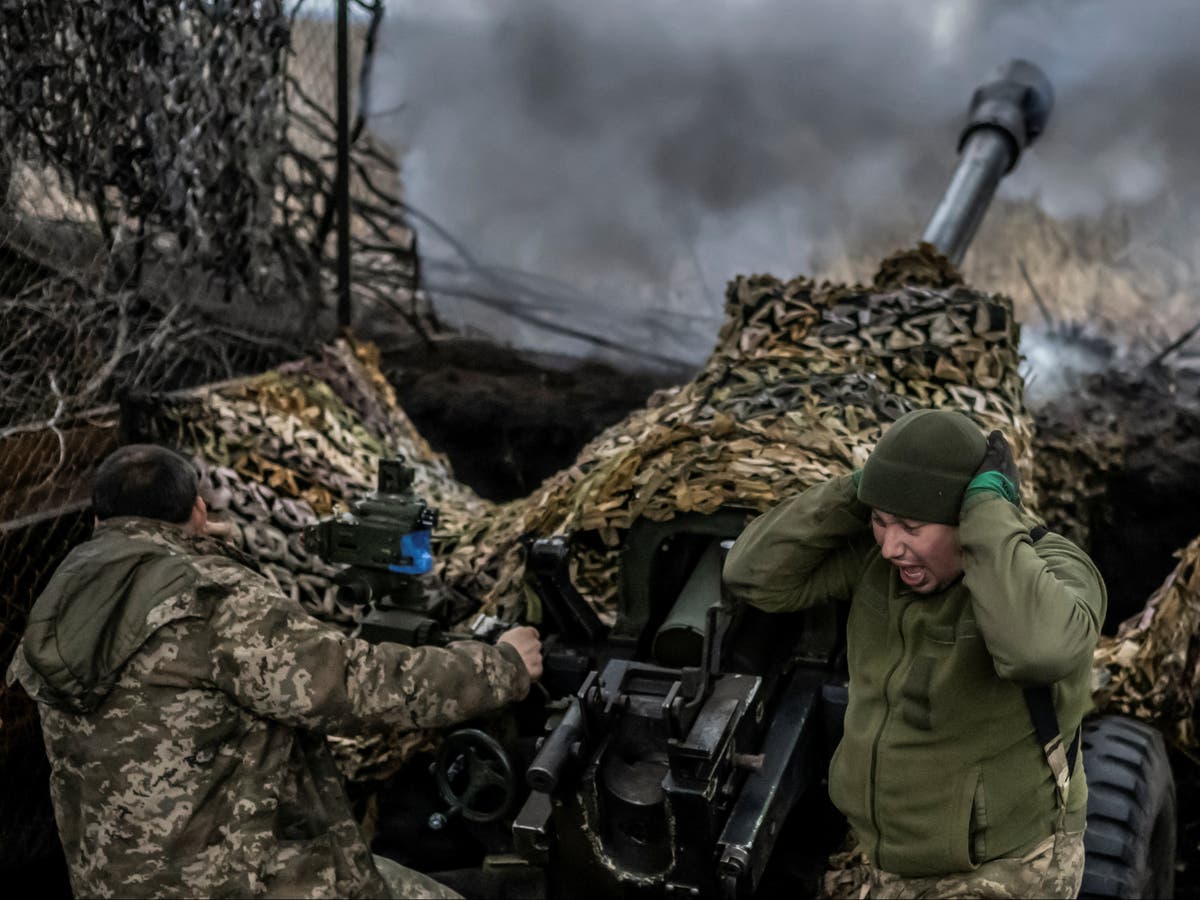
The political opposition in Russia faces numerous challenges, including repression, fragmentation, and limited access to media. However, opposition leaders and activists have developed various strategies to navigate the complex political landscape:
- Grassroots Mobilization: Many opposition groups focus on grassroots organizing, building local networks to engage citizens directly. This approach allows them to address local issues and foster a sense of community.
- Coalition Building: Different opposition factions have at times tried to unite against the common goal of challenging the Kremlin. This coalition-building can amplify their voices and increase their impact.
- International Advocacy: Opposition leaders often seek support from the international community, raising awareness about human rights abuses and political repression in Russia.
Government Response to Unrest
The Kremlin has responded to protests and political opposition with a combination of repression and attempts to co-opt dissent. Key strategies include:
- Crackdowns on Protests: The government frequently employs riot police to disperse protests, arresting participants, and using force to maintain order.
- Media Control: State-controlled media often portrays protests as foreign-funded destabilization efforts, attempting to delegitimize the opposition.
- Legal Repression: The government has enacted laws that criminalize dissent, such as laws against “extremism” and “foreign agents,” which can be used to silence critics.
The Future of Political Dissent in Russia
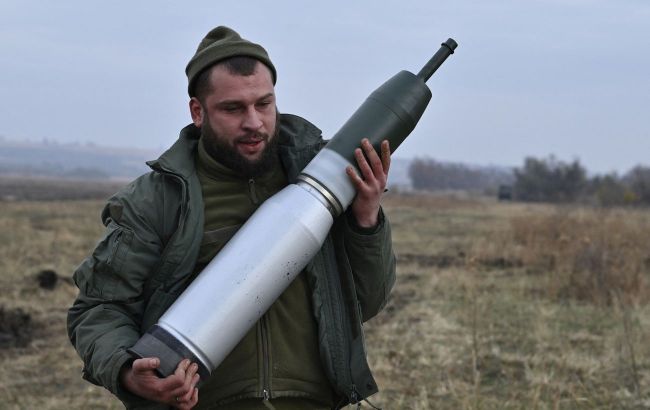
The future of political dissent in Russia remains uncertain. While the government has succeeded in suppressing opposition movements, the underlying grievances among the populace continue to simmer. Several factors could influence the trajectory of dissent in the coming years:
- Economic Conditions: If economic conditions worsen, public discontent may grow, leading to increased protests.
- Generational Change: Younger generations, who are more connected and politically aware, may increasingly challenge the status quo.
- International Pressure: Increased international scrutiny and sanctions could further galvanize opposition movements.
Domestic unrest in Russia highlights the complex interplay of economic, social, and political factors that have fueled protests and opposition movements. While the Kremlin has employed a range of tactics to suppress dissent, the persistence of public discontent suggests that the struggle for political reform and social justice is far from over. As the situation evolves, the resilience of the Russian people and their desire for change will remain pivotal in shaping the future of political dissent in the country. Ultimately, the unfolding narrative in Russia serves as a potent reminder of the enduring human spirit’s quest for freedom and justice.
