In today’s digital age, effective communication with customers is crucial for any business aiming to thrive. One of the most powerful tools in this realm is Facebook Messenger, which has transformed the way brands engage with their audience. With over 1.3 billion users, Messenger offers unparalleled opportunities for marketing strategies. This article will delve into how businesses can leverage Facebook Messenger to enhance their marketing strategies and achieve success.
Understanding Facebook Messenger as a Marketing Tool

Facebook Messenger is not just a chat application; it’s a versatile platform that allows businesses to connect with their customers in a direct and engaging manner. Here are some important statistics that highlight its significance:
- Over 20 billion messages are exchanged between businesses and customers each month.
- More than 56% of consumers prefer messaging over email when it comes to customer service.
- Approximately 80% of businesses plan to use messaging apps for customer engagement by 2025.
These figures emphasize the growing importance of Messenger in marketing strategies. By engaging customers through this platform, businesses can foster relationships, improve customer service, and ultimately drive sales.
Creating a Messenger Marketing Strategy
Developing a successful Messenger marketing strategy requires careful planning and execution. Here are the key steps to consider:
1. Define Your Goals
Before diving into Messenger marketing, it’s essential to establish clear objectives. Common goals include:
- Increasing customer engagement
- Driving sales through promotions
- Improving customer support
- Gathering customer feedback
2. Know Your Audience
Understanding your target audience is crucial for effective messaging. Utilize Facebook Insights and analytics tools to identify your audience’s demographics, preferences, and behaviors. Tailor your messaging to resonate with their interests and needs.
3. Utilize Chatbots for Automation
Chatbots are revolutionizing customer interaction on Messenger. They can handle inquiries, provide instant responses, and nurture leads. Consider the following:
- Set up automated responses for frequently asked questions.
- Use chatbots to guide customers through the purchasing process.
- Implement personalized messaging based on user behavior.
For instance, a popular e-commerce brand, Sephora, uses a chatbot on Messenger to provide personalized beauty advice, helping customers find products suited to their needs. This approach not only enhances user experience but also drives sales.
4. Segment Your Audience

Segmentation allows businesses to send targeted messages to specific groups based on their behaviors or preferences. This strategy enhances engagement and conversion rates. Consider segmenting your audience based on:
- Previous purchases
- Demographic information
- Engagement history
By creating tailored messages for each segment, businesses can increase their relevance and improve customer relationships.
Engaging Content Strategies for Messenger
Once your strategy is in place, it’s time to focus on the content you’ll be sharing. Engaging content is key to keeping your audience interested. Here are a few effective content strategies:
1. Share Promotions and Discounts
Messenger is an excellent platform for delivering exclusive promotions and discounts to your audience. Create urgency by using limited-time offers or flash sales. For example, a restaurant could send a message offering a 20% discount to the first 50 customers who order through Messenger.
2. Provide Customer Support
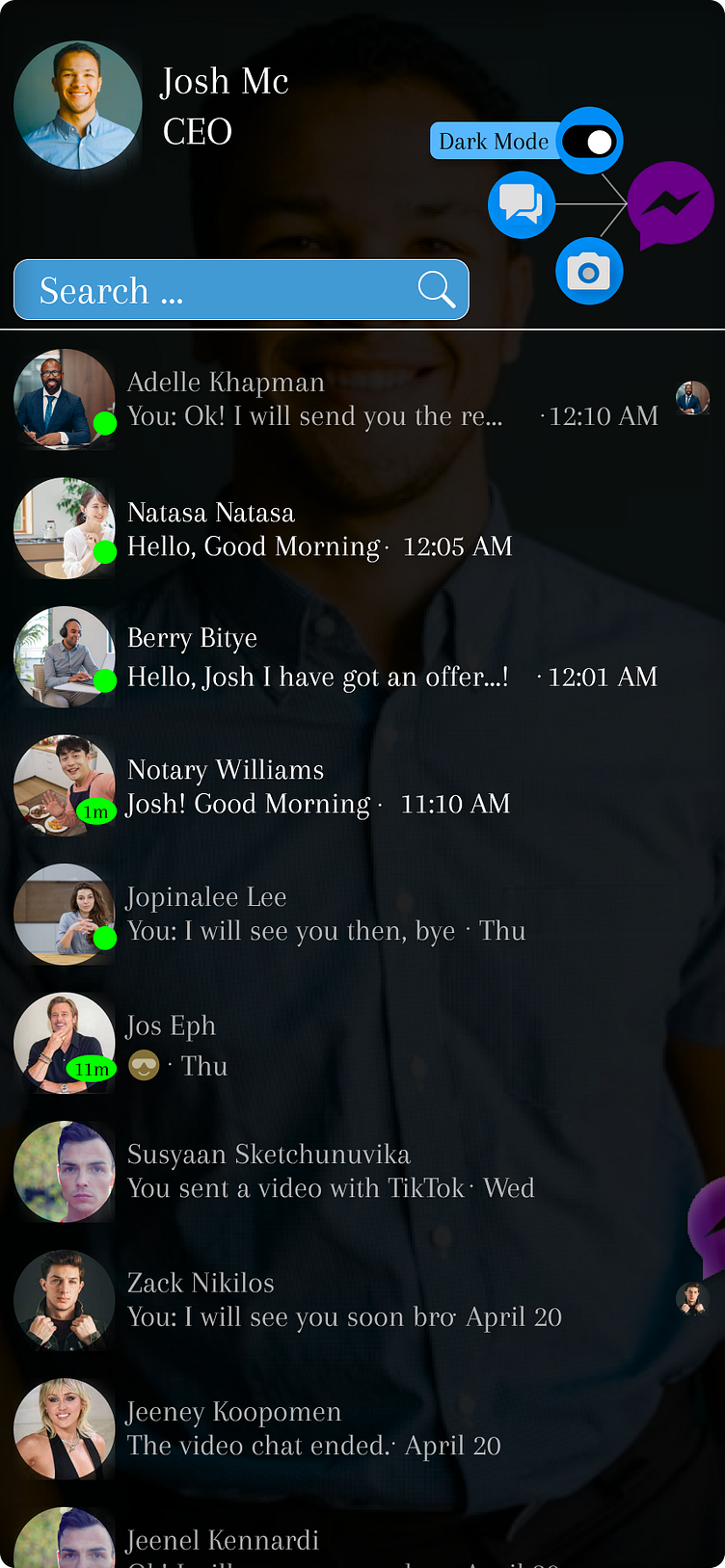
Utilize Messenger as a customer support channel. By responding promptly to inquiries, you can enhance customer satisfaction. Studies show that 63% of consumers are more likely to return to a business that offers live chat support.
3. Share Valuable Content
Providing value to your audience builds trust and loyalty. Consider sharing:
- How-to guides and tutorials related to your products
- Industry news and trends
- Behind-the-scenes content to humanize your brand
For example, a fitness brand could share workout tips and nutrition advice through Messenger, establishing itself as an authority in the industry.
4. Use Rich Media
Messenger supports various media formats, including images, videos, and GIFs. Incorporate rich media into your messaging to capture attention and convey your message effectively. For example, a fashion retailer could send a video showcasing their latest collection.
Measuring Success on Messenger
To determine the effectiveness of your Messenger marketing efforts, it’s essential to track key performance indicators (KPIs). Here are some important metrics to consider:
- Open Rates: Measure how many users opened your messages. A higher open rate indicates effective subject lines and content.
- Click-Through Rates (CTR): Track how many users clicked on links within your messages. This metric helps assess engagement levels.
- Conversion Rates: Monitor how many users completed a desired action, such as making a purchase or signing up for a newsletter.
- Customer Feedback: Encourage users to provide feedback on their Messenger experience to identify areas for improvement.
By analyzing these metrics, businesses can refine their strategies and enhance their Messenger marketing efforts.
Case Studies: Brands Excelling with Messenger Marketing
Several brands have successfully implemented Facebook Messenger marketing strategies. Here are a couple of noteworthy examples:
1. KLM Royal Dutch Airlines

KLM has embraced Messenger as a customer service channel, allowing travelers to receive booking confirmations, flight status updates, and boarding passes directly through Messenger. This approach has significantly improved customer satisfaction and streamlined communication.
2. H&M
The fashion retailer H&M uses Messenger to provide personalized shopping experiences. Customers can browse outfits and receive styling advice through the chatbot. This innovative approach not only enhances customer engagement but also drives sales by making the shopping experience more enjoyable.
Embracing the Future of Marketing with Messenger
Facebook Messenger has emerged as a vital tool for businesses looking to enhance their marketing strategies. By defining clear goals, understanding their audience, utilizing chatbots, and delivering engaging content, brands can effectively leverage Messenger to drive customer engagement and increase sales.
As consumer preferences continue to evolve, embracing innovative communication channels like Messenger will be essential for businesses aiming to succeed in the competitive landscape. By measuring success and learning from successful case studies, brands can refine their strategies and ensure they remain at the forefront of customer engagement.
In summary, integrating Facebook Messenger into your marketing strategy is not just an option; it’s a necessity for businesses that want to connect with their audience in real time, provide exceptional customer service, and ultimately achieve marketing success.
