The FA Cup is one of the oldest and most prestigious football competitions in the world, drawing immense attention from fans, players, and clubs alike. However, its implications extend beyond the thrill of knockout football. The results of FA Cup matches can significantly influence league performance, team morale, and financial standings. In this article, we will explore how FA Cup results can affect league outcomes, drawing on historical examples, case studies, and statistical insights to provide a comprehensive understanding of this fascinating intersection.
Understanding the FA Cup’s Unique Position

The FA Cup, established in 1871, offers teams from various divisions the chance to compete, making it a unique platform for both underdog stories and established clubs. Its knockout format means that any match can lead to surprises, influencing the momentum of teams in the league. The cup’s significance can be understood through several key aspects:
- Financial Implications: Success in the FA Cup can lead to increased revenue from ticket sales, broadcasting rights, and sponsorships.
- Team Morale: Winning matches in the FA Cup can boost confidence and provide a psychological edge in league play.
- Fixture Congestion: Progressing in the FA Cup can lead to a congested schedule, affecting a team’s league performance due to fatigue or squad rotation.
Financial Rewards and Their League Impact

One of the most significant impacts of the FA Cup results is the financial reward that successful clubs can reap. A strong cup run can bring substantial monetary benefits, which can, in turn, influence a club’s performance in the league.
For example, in the 2018-2019 season, Manchester City not only won the FA Cup but also secured significant prize money and increased revenue from matchday earnings. This financial influx allowed them to bolster their squad and maintain their dominance in the Premier League.
On the flip side, clubs that face early exits from the FA Cup may find it challenging to sustain their financial health, particularly if they rely on cup earnings to bolster their budgets. This can lead to:
- Reduced spending in the transfer market.
- Increased pressure to perform in the league to avoid relegation.
- Potential financial instability, especially for lower-league clubs.
Psychological Effects of FA Cup Success
The psychological impact of FA Cup results cannot be understated. Winning crucial matches can elevate team spirits and create a sense of unity and purpose. Conversely, a string of poor results can lead to demoralization and affect league performance.
Consider the case of Wigan Athletic, who, despite being relegated from the Premier League in 2013, achieved FA Cup glory by defeating Manchester City. This victory not only provided a morale boost but also fostered a sense of achievement that carried over into their league campaign, allowing them to compete fiercely despite their relegation.
- Morale Boosting: Winning in the FA Cup can instill a winning mentality.
- Team Cohesion: Successful cup runs often strengthen team bonds, leading to better performances in the league.
- Fan Engagement: Cup success can enhance fan support, providing an added advantage in league matches.
Fixture Congestion: A Double-Edged Sword
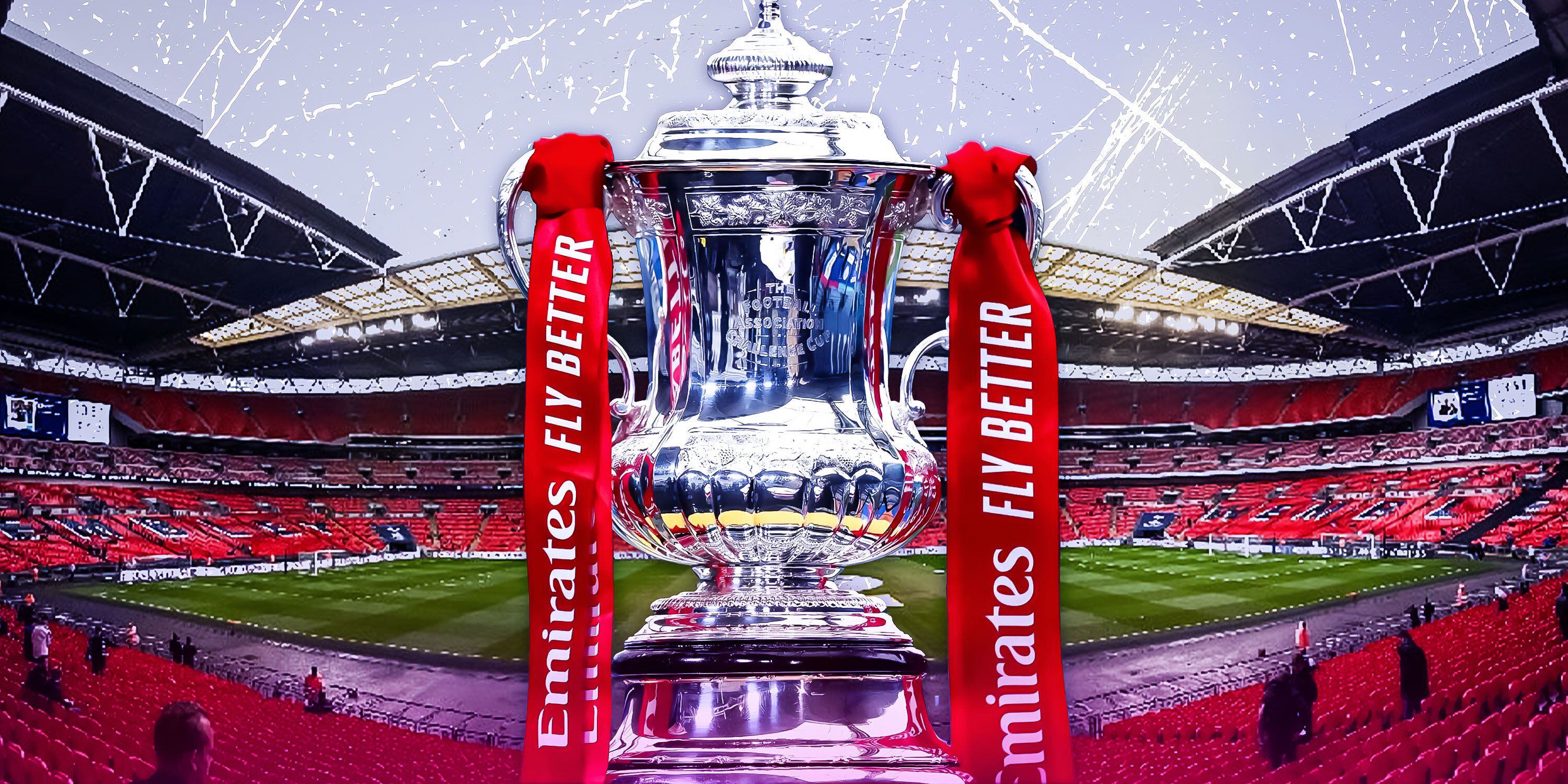
While a successful FA Cup run can provide numerous advantages, it also brings challenges, particularly in terms of fixture congestion. When teams progress in the FA Cup, they often have to juggle multiple competitions, leading to a packed schedule that can strain player resources.
For instance, during the 2010-2011 season, Manchester City faced a congested fixture list due to their deep run in the FA Cup and participation in the Premier League and Europa League. This led to fatigue and injuries, ultimately impacting their league performance. Teams may need to rotate their squads more frequently, which can disrupt team chemistry and lead to inconsistent league results.
- Increased Injuries: More matches can lead to player fatigue and injuries.
- Squad Rotation: Managers may need to rotate players, impacting consistency in performances.
- Focus Shift: Clubs may prioritize league survival over cup success, affecting their approach to matches.
Case Studies: Historical Perspectives
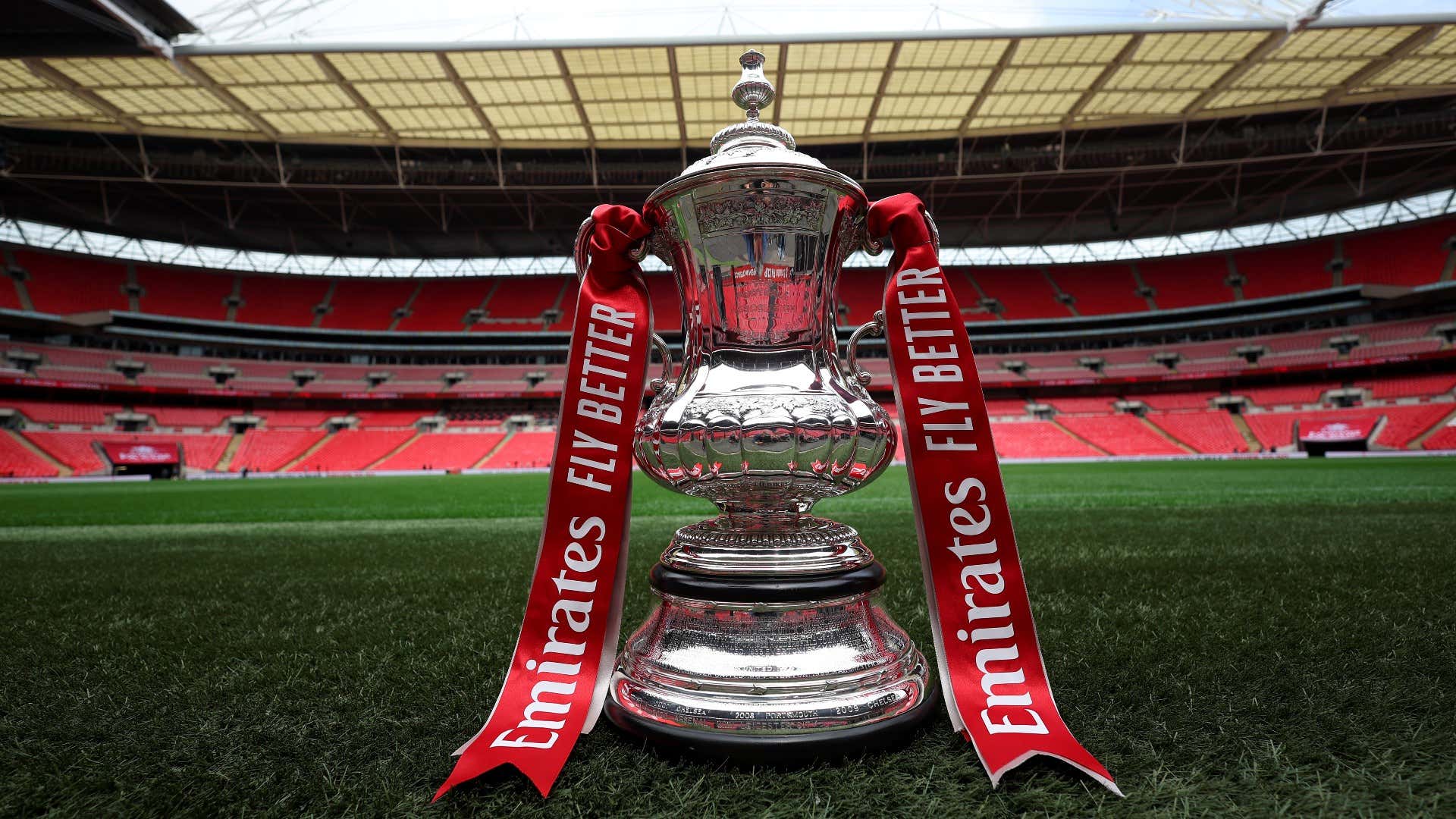
To further illustrate the relationship between FA Cup results and league performance, we can look at various case studies from recent seasons.
Leicester City: The Cup and League Conundrum

In the 2020-2021 season, Leicester City won the FA Cup, a monumental achievement for the club. However, they struggled to maintain their position in the Premier League following their cup success. The emotional and physical toll of the FA Cup final may have contributed to their inconsistent league performances, highlighting the dual nature of cup success.
Arsenal: FA Cup Dominance and League Struggles
Arsenal’s repeated FA Cup victories in the 2010s provided a psychological boost and financial rewards. However, the pressure of competing in both the FA Cup and Premier League led to challenges in maintaining consistent league form. This underlines how cup success can be a double-edged sword, offering rewards while also presenting challenges.
Looking Ahead: Predictions and Trends
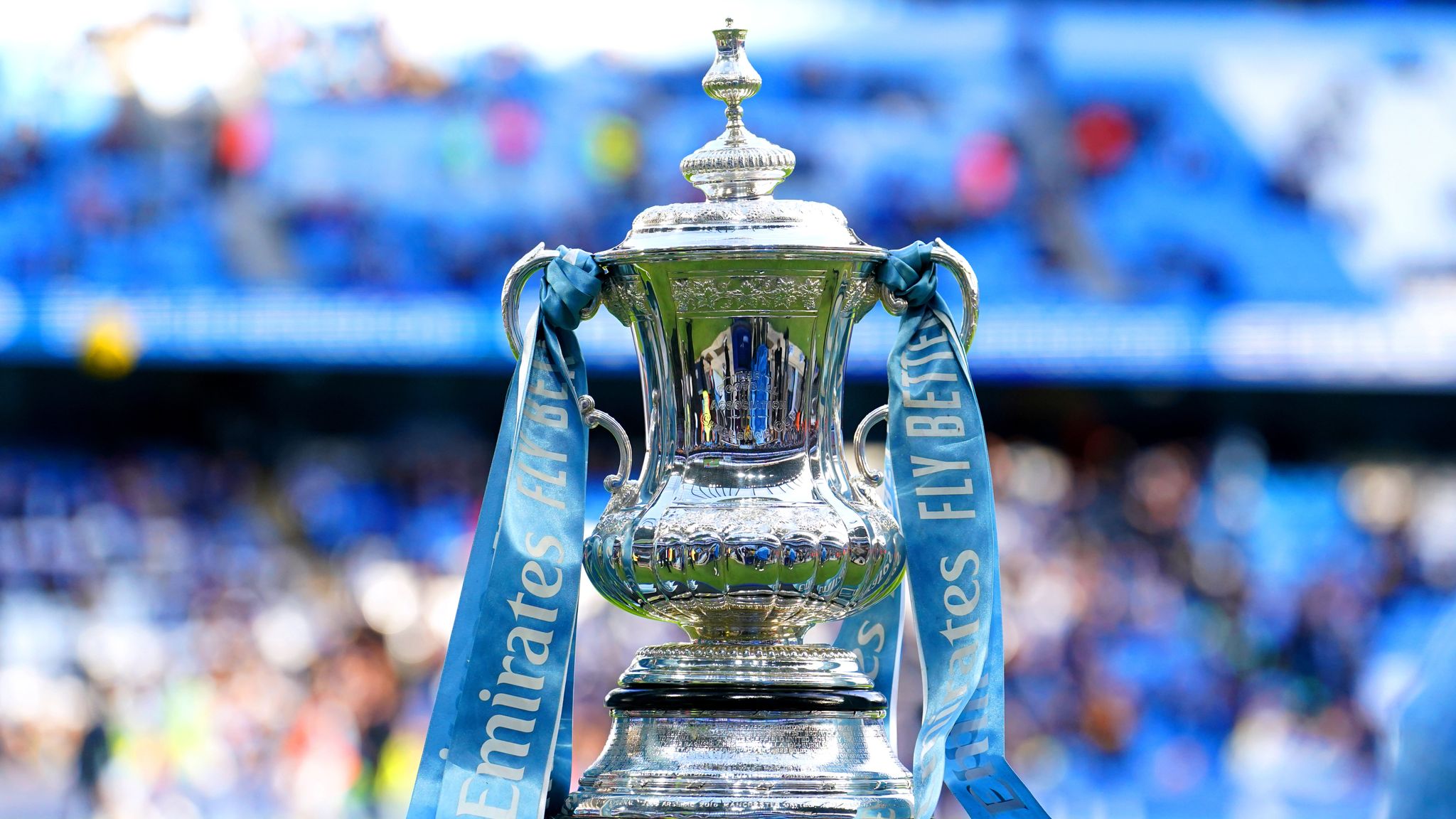
As we look ahead to future seasons, the impact of FA Cup results on league performance will likely continue to evolve. Several trends can be anticipated:
- Increased Professionalism: Clubs will invest more in squad depth to manage fixture congestion effectively.
- Data Analytics: Teams may increasingly rely on data analytics to optimize player performance and rotation strategies during congested schedules.
- Growing Importance of Mental Health: Clubs will likely focus on mental resilience, recognizing the psychological impact of cup runs on league performance.
The FA Cup remains a vital component of English football, with its results echoing far beyond the immediate thrill of knockout matches. The financial, psychological, and logistical implications of cup success can significantly affect a club’s league performance, shaping narratives for fans and players alike. As teams navigate the complexities of competing in multiple tournaments, understanding the interconnectedness of FA Cup results and league dynamics will be crucial for clubs aiming to achieve sustained success.
Ultimately, the evolution of strategies, investment in resources, and emphasis on mental resilience will define how clubs adapt to the challenges and opportunities presented by the FA Cup in the future. As history has shown, the road to success is rarely linear, and the impact of the FA Cup will continue to resonate throughout the English football landscape.
