The ongoing conflict between Russia and Ukraine, which escalated dramatically in February 2022, has not only altered the dynamics of Eastern Europe but has also had profound implications for global geopolitics. As nations reassess their alliances and strategies in response to this conflict, the geopolitical landscape is undergoing significant transformations. This article delves into how the Russia-Ukraine conflict is reshaping international alliances and what this means for the future of global politics.
The Origins of the Conflict
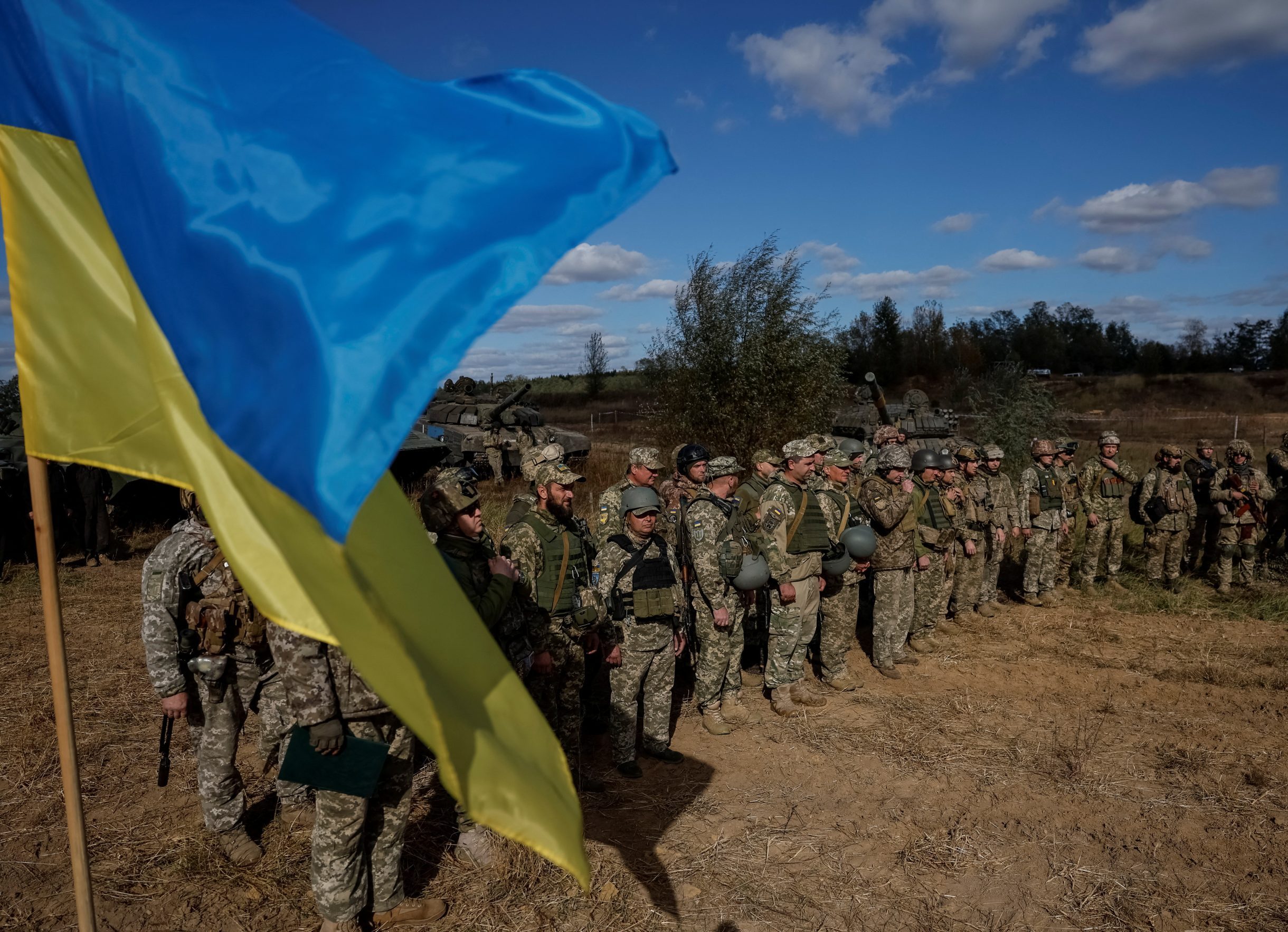
To understand the ramifications of the Russia-Ukraine conflict, it is essential to recognize its origins. The conflict can be traced back to several key events:
- 2014 Annexation of Crimea: Russia’s annexation of Crimea marked the beginning of heightened tensions between the two nations and set the stage for ongoing conflict.
- Support for Separatists: Russia’s support for separatist movements in Eastern Ukraine further escalated the situation, leading to a protracted military conflict.
- Geopolitical Interests: Ukraine’s aspirations to join NATO and the European Union have been viewed by Russia as a direct threat to its sphere of influence.
Shifting Alliances in Europe
One of the most notable effects of the Russia-Ukraine conflict is the realignment of alliances within Europe. Several countries have reevaluated their positions in light of the conflict:
- NATO Expansion: The conflict has prompted nations like Finland and Sweden to reconsider their long-standing policies of military non-alignment and seek NATO membership.
- Increased Defense Spending: Countries such as Germany have significantly increased their defense budgets, signaling a shift towards a more militarized European response to threats from Russia.
- Unity Among EU Members: The conflict has galvanized EU member states, fostering a stronger sense of unity and collective action against Russian aggression.
The Role of the United States
The United States has played a crucial role in shaping the response to the Russia-Ukraine conflict. Key aspects of U.S. involvement include:
- Military Aid: The U.S. has provided substantial military assistance to Ukraine, including advanced weaponry and training for Ukrainian forces.
- Economic Sanctions: A series of sanctions targeting Russian individuals, businesses, and sectors of the economy have been implemented to weaken Russia’s capacity to sustain its military efforts.
- Diplomatic Leadership: The U.S. has taken a lead role in rallying international support for Ukraine, effectively uniting Western nations against the common threat posed by Russia.
The Impact on Global Alliances

The ramifications of the conflict extend beyond Europe, influencing global alliances in various ways:
- China’s Position: China’s tacit support for Russia complicates its relationships with Western nations, as it seeks to position itself as a global power while maintaining economic ties with Europe and the U.S.
- Middle East Dynamics: Countries in the Middle East are reassessing their alliances, with some nations, like Saudi Arabia, viewing the conflict as an opportunity to strengthen ties with Russia for energy cooperation.
- Global South Responses: Many nations in the Global South have opted for neutrality, emphasizing the need for dialogue and diplomacy rather than escalating tensions.
Case Studies of Alliance Shifts

Several case studies exemplify how the Russia-Ukraine conflict is reshaping alliances:
Finland and Sweden’s NATO Aspirations

Historically neutral, Finland and Sweden have both expressed a desire to join NATO in the wake of the conflict. Their applications signify a significant shift in security policy and reflect a broader trend of increased collaboration among Nordic countries in response to perceived threats from Russia.
Eastern European Solidarity
Countries such as Poland and the Baltic states (Estonia, Latvia, Lithuania) have intensified their military cooperation and defense initiatives. Their geographic proximity to Russia makes them particularly vulnerable, leading to a collective effort to bolster security through NATO and EU frameworks.
Economic Implications of the Conflict

The economic dimensions of the Russia-Ukraine conflict are also critical in understanding its impact on geopolitics. Key points include:
- Energy Supply Chains: Europe’s dependence on Russian energy has been a focal point of the conflict, prompting nations to seek alternative energy sources and suppliers.
- Global Food Security: Ukraine is a major exporter of grain and other agricultural products. The conflict has disrupted supply chains, leading to increased food prices and potential shortages worldwide.
- Investment Redirection: Western countries are redirecting investments towards defense and alternative energy projects, reshaping economic priorities on a global scale.
The Future of Geopolitical Alliances

As the conflict continues, the future of geopolitical alliances remains uncertain. However, several trends can be anticipated:
- Increased Military Collaboration: Expect further military alliances and partnerships, particularly among NATO members and other like-minded nations.
- Resilience Against Authoritarianism: Democracies may increasingly band together to counter authoritarian regimes, fostering a new era of collective defense.
- Shift in Global Trade Patterns: The conflict will likely lead to realignments in global trade, as nations seek to reduce reliance on adversaries for critical resources.
The Russia-Ukraine conflict has catalyzed significant changes in the geopolitical landscape, reshaping alliances and prompting nations to reevaluate their security and economic strategies. As Europe unites against perceived threats and as the U.S. takes a leading role in supporting Ukraine, the implications of this conflict are felt far beyond the borders of these two countries. From shifting alliances in Europe to the reconfiguration of global economic ties, the impact of this conflict will resonate for years to come. It is clear that navigating this new geopolitical landscape will require adaptability, cooperation, and a commitment to collective security among nations. As the world watches the unfolding events, the hope remains that diplomacy will ultimately prevail, paving the way for a more stable and secure international order.
