In the world of professional baseball, age can be both a blessing and a curse. For many players, starting their Major League Baseball (MLB) careers at a young age can lead to a long and prosperous tenure. However, this isn’t universally true, as some players take longer to develop into big-league talent. Austin Wells, a highly-touted prospect for the New York Yankees, exemplifies how age and development intersect in the quest for MLB success. In this article, we delve into the age factor in baseball, analyze Wells’ journey, and explore what his story reveals about the complexities of player development.
Understanding the Age Factor in Baseball
In baseball, age plays a crucial role in player development and performance. Several factors contribute to this phenomenon:
- Physical Maturity: Players who enter the league at a younger age often exhibit different levels of physical maturity. This can affect their performance, particularly in the demanding environment of professional sports.
- Experience: Younger players may lack the experience that older players have accumulated over years in college, minor leagues, or international play.
- Injury Risks: Younger players may be more susceptible to injuries, which can hinder their development and longevity in the sport.
- Adjustment to Professional Life: The transition from amateur to professional baseball can be daunting, and younger players may struggle to adapt to the lifestyle and pressures of the MLB.
Each player’s journey is unique, and the age factor can manifest differently based on individual circumstances. For Austin Wells, a 2020 first-round draft pick, navigating these challenges has been a significant part of his journey.
Austin Wells: Early Life and Background

Austin Wells was born on December 2, 1998, in Las Vegas, Nevada. He developed an early passion for baseball, influenced by his father, who played the sport at a competitive level. Wells attended Bishop Gorman High School, where he quickly made a name for himself as one of the top-catching prospects in the nation. His high school career was marked by impressive statistics, including a .400 batting average and a strong defensive presence behind the plate.
Wells’ skills caught the attention of college scouts, and he ultimately committed to the University of Arizona. His time at Arizona proved pivotal, as he continued to develop his skills while competing at a high level in the NCAA.
The Draft and Initial Impressions

In 2020, Wells was selected 28th overall by the New York Yankees in the MLB draft. This moment marked a significant milestone in his career, and the Yankees were optimistic about his potential. However, the impact of age and experience became apparent as he transitioned into professional baseball.
Wells entered the MLB system at a time when the minor leagues were disrupted due to the COVID-19 pandemic. This meant that his initial professional experience was limited, impacting his development. Nevertheless, he made a strong impression during the limited play opportunities he had. In his first professional season, he showcased his offensive capabilities:
- Batting Average: .288
- Home Runs: 7
- On-Base Percentage: .394
These statistics indicated that despite the challenges, Wells was capable of translating his skills into success at the professional level.
Overcoming Challenges: The Path to Improvement

As a young player in the Yankees’ organization, Wells faced various challenges that tested his resilience and commitment to improvement. Some of the critical areas he needed to focus on included:
- Defensive Skills: While known for his offensive prowess, Wells needed to improve his defensive game to become a reliable catcher in the MLB.
- Game Management: Learning how to manage a pitching staff and calling games effectively is crucial for a catcher, and this skill requires experience.
- Physical Conditioning: Adapting to the physical demands of professional baseball, including strength and conditioning, was essential for longevity in his career.
Wells embraced these challenges, working diligently to enhance his overall skill set. His commitment to improvement was evident through his work ethic and willingness to learn from coaches and veteran players.
Statistical Growth and Development

As Wells progressed through the Yankees’ minor league system, his statistics reflected significant growth. By 2022, he had moved up the ranks and was playing for the Double-A Somerset Patriots. His performance at this level was impressive:
- Batting Average: .287
- Home Runs: 14
- On-Base Percentage: .395
- Slugging Percentage: .511
These numbers not only underscored his offensive potential but also indicated that he was maturing as a player. The age factor, while initially a concern, became less of an issue as he gained experience and confidence in his abilities.
Breaking into the Major Leagues

In 2023, after several successful seasons in the minors, Wells received a call-up to the New York Yankees. This moment was the culmination of years of hard work and perseverance, marking the beginning of his MLB career. His debut was highly anticipated, and fans were eager to see how he would perform at the highest level.
In his first few games, Wells demonstrated his ability to compete at the MLB level:
- Debut Game: He recorded his first hit and an RBI in his debut, showcasing his offensive capabilities right away.
- Defensive Presence: He displayed improved defensive skills, throwing out runners attempting to steal and effectively managing the pitching staff.
The transition to the major leagues is challenging for any player, but Wells’ strong foundation in the minors helped ease the process. His age, initially seen as a disadvantage, became an asset as he matured and gained the necessary experience to succeed.
Key Takeaways from Austin Wells’ Journey
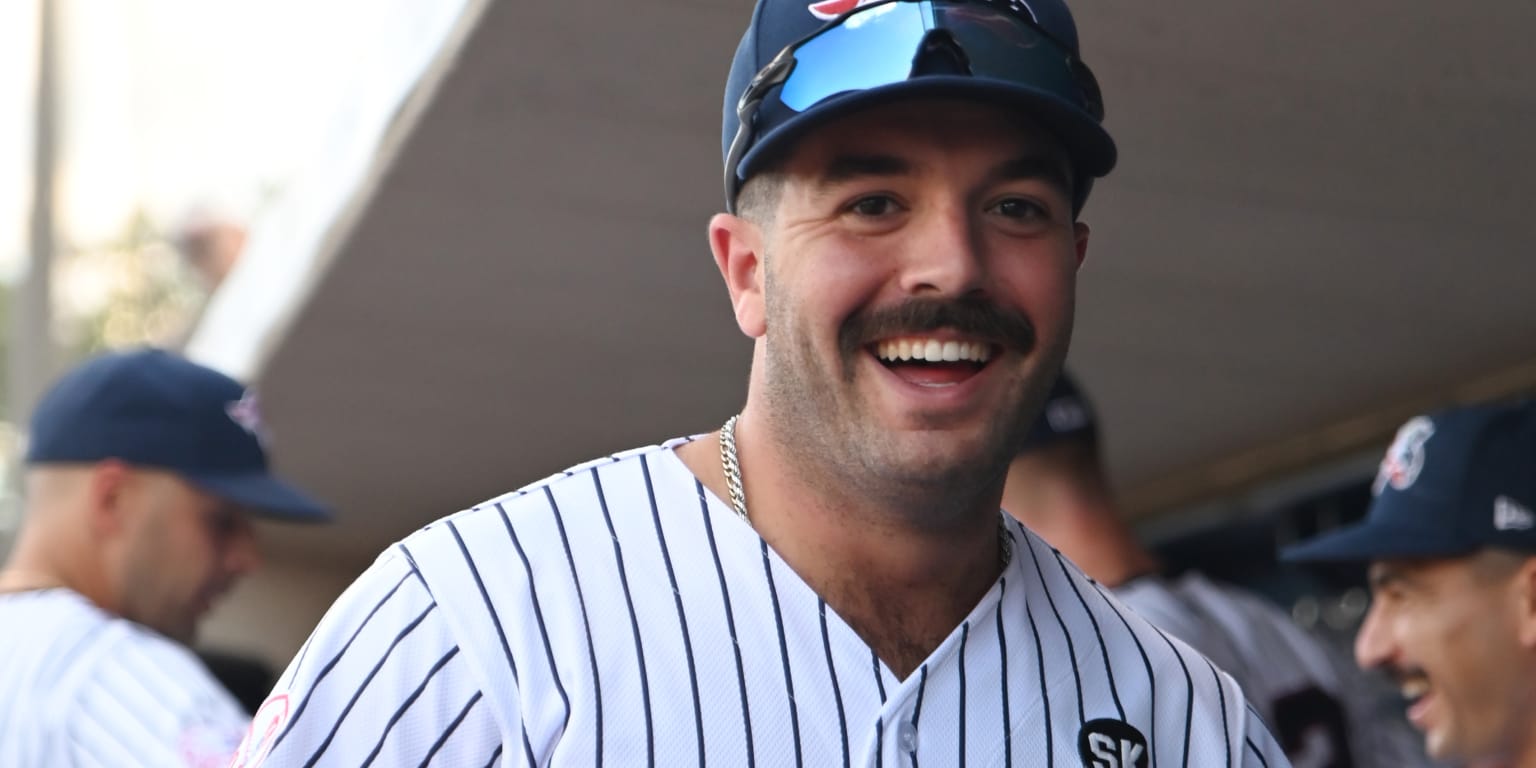
Austin Wells’ journey to the Major Leagues offers valuable insights into the age factor and player development in baseball. Key takeaways from his path include:
- Age is Just a Number: While age can influence a player’s trajectory, dedication, hard work, and adaptability are often more significant factors in achieving success.
- Development Takes Time: The road to the MLB is rarely linear. Players like Wells demonstrate that consistent improvement and resilience can lead to success, regardless of age.
- Support Systems Matter: Mentorship from coaches and veteran players can significantly impact a young player’s development and transition to the majors.
As Austin Wells continues his career with the New York Yankees, his story serves as a testament to the complexity of player development in baseball. The age factor may present challenges, but it can also lead to opportunities for growth and success. With each game, Wells is proving that the path to Major League success is not solely defined by age but by the passion and perseverance of the player.
