With their stunning silvery-blue coats, vivid green eyes, and charming personalities, Russian Blues have captivated the hearts of cat lovers around the world. This breed is not only known for its striking appearance but also for its intelligence, playful demeanor, and affectionate nature. In this comprehensive guide, we will explore the history, characteristics, care, and training of Russian Blues, as well as their health considerations and why they make excellent companions.
History of the Russian Blue

The Russian Blue cat has a rich and intriguing history that dates back centuries. Although the exact origins remain shrouded in mystery, several theories exist regarding how this breed came to be.
- Origin in Russia: As the name suggests, the Russian Blue is believed to have originated in Russia. The breed was likely found aboard ships from Arkhangelsk, a port city in northern Russia, where sailors would have brought them back to Europe.
- Royal Favor: The breed gained popularity among the Russian aristocracy and was even rumored to have been favored by the Russian royal family, adding to its allure and prestige.
- Recognition in the West: Russian Blues made their way to the United Kingdom in the late 19th century, where they were showcased in cat shows and gained recognition from cat fanciers.
Today, the Russian Blue is recognized by various cat registries worldwide and continues to be a beloved breed among cat enthusiasts.
Physical Characteristics

The Russian Blue is a medium-sized cat known for its distinctive appearance. Here are some of the key physical characteristics that make this breed unique:
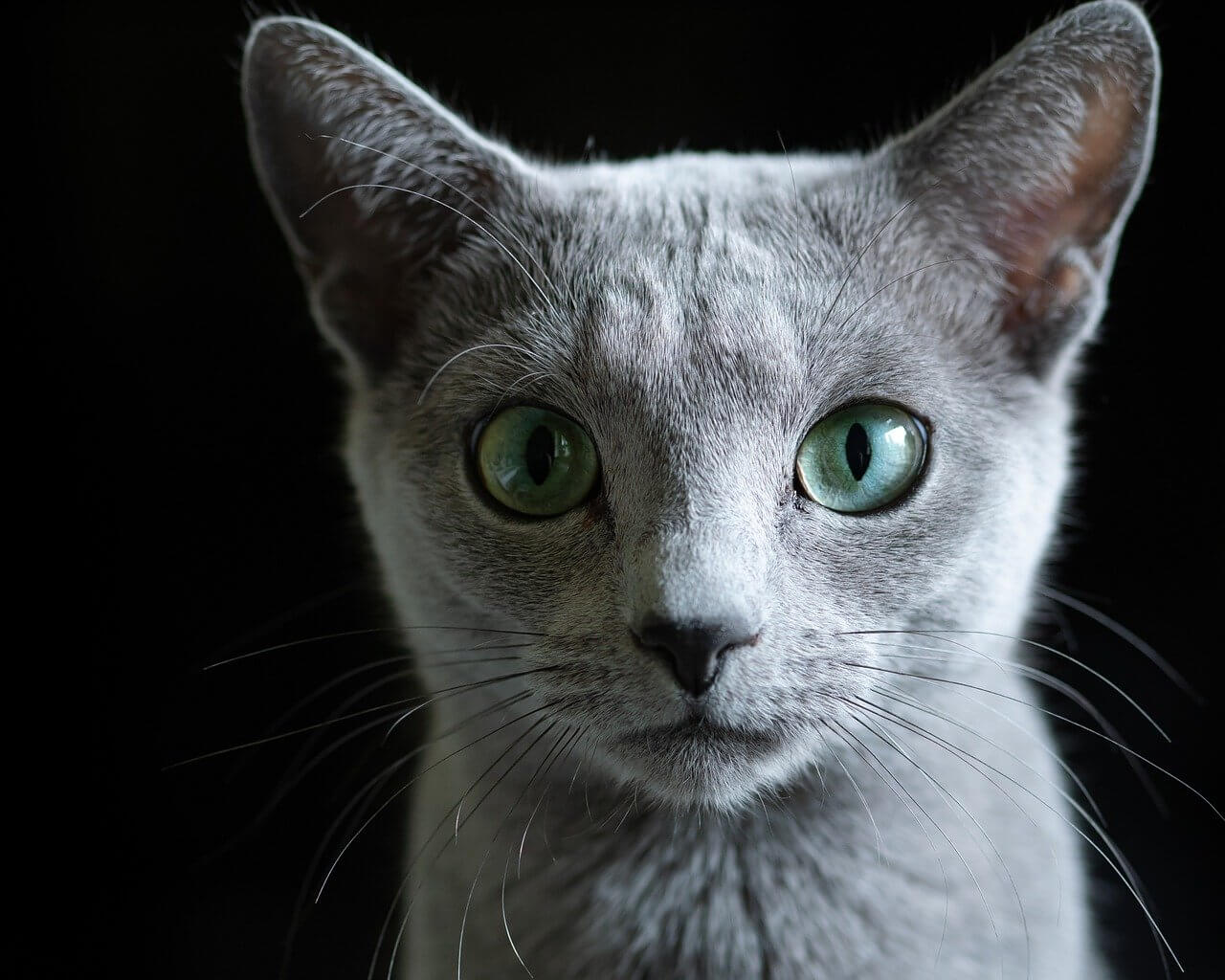
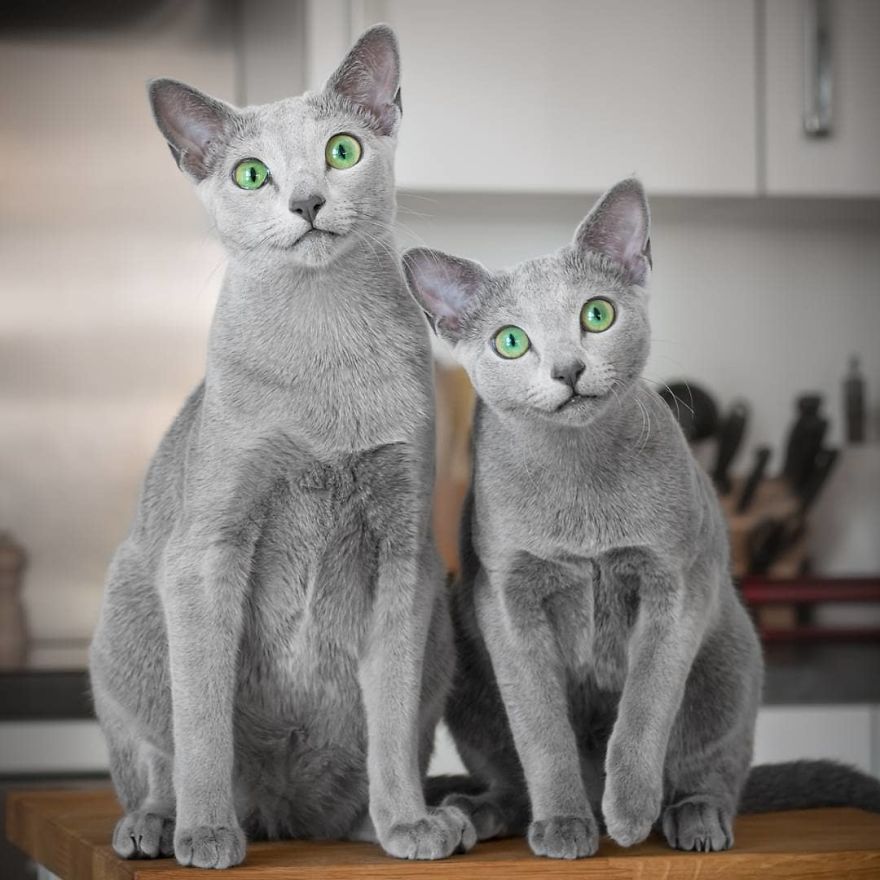
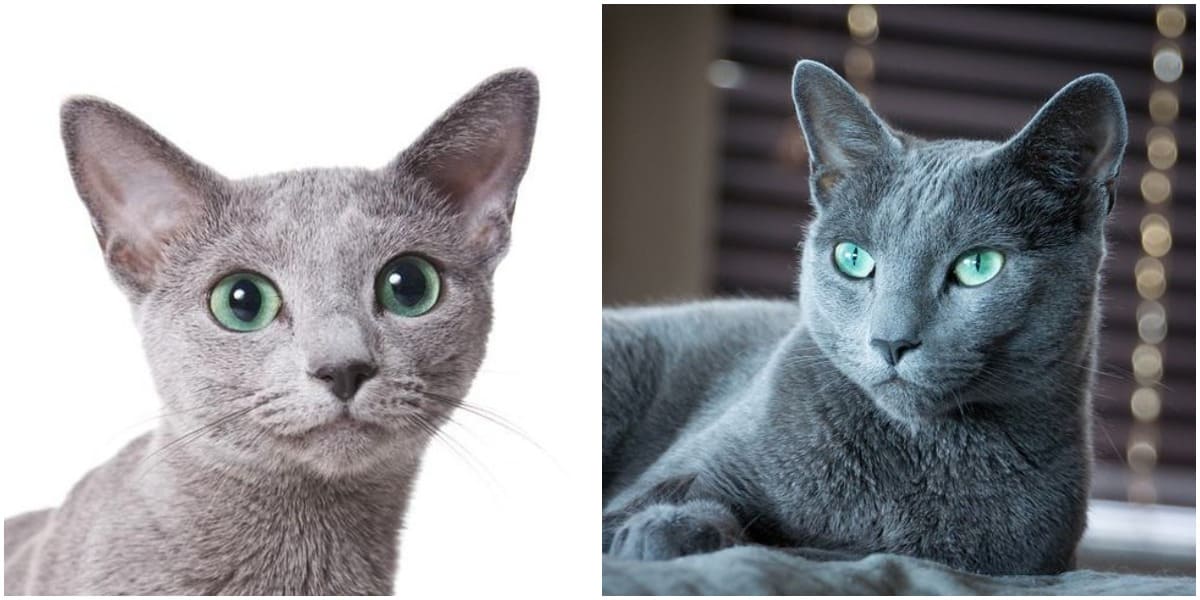
- Coat: The most striking feature of the Russian Blue is its plush, double-layered coat, which has a soft, velvety texture. The coat is a beautiful silvery-blue color, which appears more vibrant in certain lighting.
- Eyes: The breed is known for its large, vivid green eyes that stand out against its blue coat, giving it an elegant and captivating expression.
- Build: Russian Blues have a graceful, muscular build with a slightly rounded head and a long, elegant neck.
- Ears: Their large, pointed ears are set high on the head, adding to their alert and intelligent appearance.
Temperament and Personality
The personality of a Russian Blue is as enchanting as its looks. Known for their affectionate and gentle nature, these cats can be both playful and reserved. Here are some traits that characterize their temperament:
- Affectionate: Russian Blues are known to form strong bonds with their human companions. They enjoy being petted and will often seek out attention without being overly demanding.
- Intelligent: This breed is highly intelligent and curious, making them quick learners. They enjoy interactive play and mental stimulation.
- Playful: Russian Blues retain their playful nature well into adulthood. They enjoy toys, puzzles, and even games of fetch.
- Reserved: While they are affectionate, they can also be somewhat reserved, especially around strangers. They may take time to warm up to new people.
Care and Maintenance

Caring for a Russian Blue involves several aspects, including grooming, diet, and regular veterinary check-ups. Here are some key considerations:
Grooming
The Russian Blue’s double coat requires regular grooming to keep it healthy and free from mats. Consider the following grooming tips:
- Brush their coat at least once a week to remove loose hair and prevent tangles.
- Use a soft-bristle brush or grooming glove to maintain the coat’s softness and shine.
- Check and clean their ears regularly to prevent wax buildup.
- Trim their nails as needed, typically every few weeks.
Diet
Providing a balanced diet is essential for the health of any cat. Consider these dietary tips for your Russian Blue:
- Choose high-quality cat food that is rich in protein and tailored to their age (kitten, adult, or senior).
- Monitor portion sizes to maintain a healthy weight, as Russian Blues can be prone to obesity.
- Always provide fresh water, and consider wet food for additional hydration.
Healthcare
Regular veterinary visits are crucial for maintaining the health of your Russian Blue. Here are some health considerations:
- Schedule annual check-ups to monitor overall health and vaccinations.
- Be aware of common health issues associated with the breed, such as hypertrophic cardiomyopathy (HCM), which is a heart condition.
- Consider dental care, as dental issues can affect cats of any breed.
Training and Socialization
Training your Russian Blue can be a rewarding experience, given their intelligence and eagerness to please. Here are some effective training strategies:
- Start training early, using positive reinforcement techniques such as treats and praise.
- Engage them in interactive play to stimulate their minds and prevent boredom.
- Socialize them with different people and environments to reduce shyness and anxiety.
Common Myths About Russian Blues
As with many cat breeds, several myths surround the Russian Blue. Here are a few misconceptions to dispel:
- Myth: Russian Blues are hypoallergenic. While they produce fewer allergens than some breeds, no cat is entirely hypoallergenic.
- Myth: They are aloof and unfriendly. In reality, they are affectionate and loyal companions, though they may be cautious around strangers.
- Myth: They require excessive grooming. While grooming is important, their short, dense coat is relatively low-maintenance compared to long-haired breeds.
The Russian Blue is more than just a beautiful cat; it is a loving companion with a rich history and unique personality traits. Their striking appearance, affectionate nature, and intelligence make them an appealing choice for cat lovers. With proper care, grooming, and training, a Russian Blue can thrive in any home, bringing joy and companionship for years to come. Whether you are considering adopting one or simply interested in learning more, understanding the allure of the Russian Blue will enrich your appreciation for this exquisite breed.
