Since ascending to power in 2011, Kim Jong Un has transformed North Korea’s approach to nuclear weapons, reshaping both its domestic and international strategies. This evolution reflects a combination of ideological commitment, strategic necessity, and a response to global geopolitical dynamics. This article will explore the key phases in Kim’s nuclear strategy, the motivations behind these changes, and the implications for regional and global security.
Early Years: Consolidation of Power and Nuclear Aspirations
Upon taking power after the death of his father, Kim Jong Il, Kim Jong Un faced the dual challenges of consolidating his rule and advancing North Korea’s nuclear ambitions. In the early years of his leadership, Kim sought to establish himself as the legitimate successor to the Kim dynasty, using nuclear advancements as a means to solidify his authority.
- Nuclear Tests: North Korea conducted its third nuclear test in February 2013, shortly after Kim Jong Un’s ascension. This test was significant as it demonstrated a notable advancement in the country’s nuclear capabilities.
- Military First Policy: Kim reaffirmed the “Military First” policy (Songun), emphasizing military development, including nuclear weapons, as a priority in state policy.
- International Isolation: The early years of Kim’s regime were marked by increased international sanctions, which he used to rally domestic support, framing the nuclear arsenal as a deterrent against perceived external threats.
Strategic Shifts: From Provocation to Diplomacy
As Kim’s regime matured, his strategy evolved. The years 2016 and 2017 marked a pivotal point, characterized by aggressive nuclear testing and missile launches, which brought North Korea closer to achieving a credible nuclear deterrent.
- ICBM Development: North Korea successfully tested intercontinental ballistic missiles (ICBMs) capable of reaching the continental United States, including the Hwasong-15 in November 2017.
- Strategic Messaging: Kim utilized these tests to send clear messages to both domestic and international audiences, showcasing North Korea’s military capabilities and bolstering national pride.
The “Fire and Fury” Era
The escalation of tensions between North Korea and the United States peaked during this period, culminating in threats of “fire and fury” from then-President Donald Trump. Kim responded with aggressive rhetoric and continued missile tests, showcasing his resolve.
- Psychological Warfare: Kim’s strategy incorporated psychological tactics, utilizing both threats and displays of military power to influence U.S. policy and regional dynamics.
- International Response: In reaction to North Korea’s provocations, the United Nations imposed stringent sanctions, further isolating the regime but also increasing its resolve to develop its nuclear arsenal.
The Diplomatic Opening: Summits and Agreements
In 2018, Kim Jong Un surprised the world by shifting towards diplomacy, culminating in historic summits with South Korean President Moon Jae-in and U.S. President Donald Trump. This marked a significant departure from his earlier confrontational approach.
- Panmunjom Declaration: In April 2018, Kim and Moon agreed to denuclearization talks, signaling a thaw in inter-Korean relations.
- Singapore Summit: The June 2018 summit with Trump resulted in a joint statement committing to denuclearization, although specifics were vague and implementation remained unclear.
- Strategic Calculation: Analysts suggest Kim’s diplomatic overtures were motivated by a desire to secure economic aid and sanctions relief while solidifying his regime’s legitimacy.
Back to Confrontation: The Stalemate and Renewed Tensions

Despite initial optimism, the diplomatic momentum stalled, leading to a return to confrontational tactics. By 2019, negotiations had broken down, and North Korea resumed missile testing, indicating a strategic pivot back to military posturing.
- Continued Testing: North Korea conducted multiple short-range missile tests in 2019, signaling its unwillingness to completely abandon its nuclear ambitions.
- Strategic Resilience: Kim framed the continuation of nuclear development as essential for national security, despite international pressure.
The Current Phase: Military Modernization and Nuclear Doctrine
As of 2023, Kim Jong Un has articulated a more sophisticated nuclear doctrine, emphasizing the need for a “multi-faceted” military strategy. This development reflects both a response to ongoing regional threats and an assertion of North Korea’s status as a nuclear power.
- Modernization Efforts: North Korea has focused on modernizing its nuclear arsenal, developing new systems such as submarine-launched ballistic missiles (SLBMs) and hypersonic missiles.
- Nuclear Policy Documents: In January 2021, Kim unveiled a new five-year plan that emphasized the need for advanced nuclear capabilities and the development of tactical nuclear weapons.
- Legitimization of Nuclear Status: Kim has increasingly framed nuclear weapons as a vital component of national identity, implying that their existence is a non-negotiable aspect of North Korean sovereignty.
Implications for Regional and Global Security
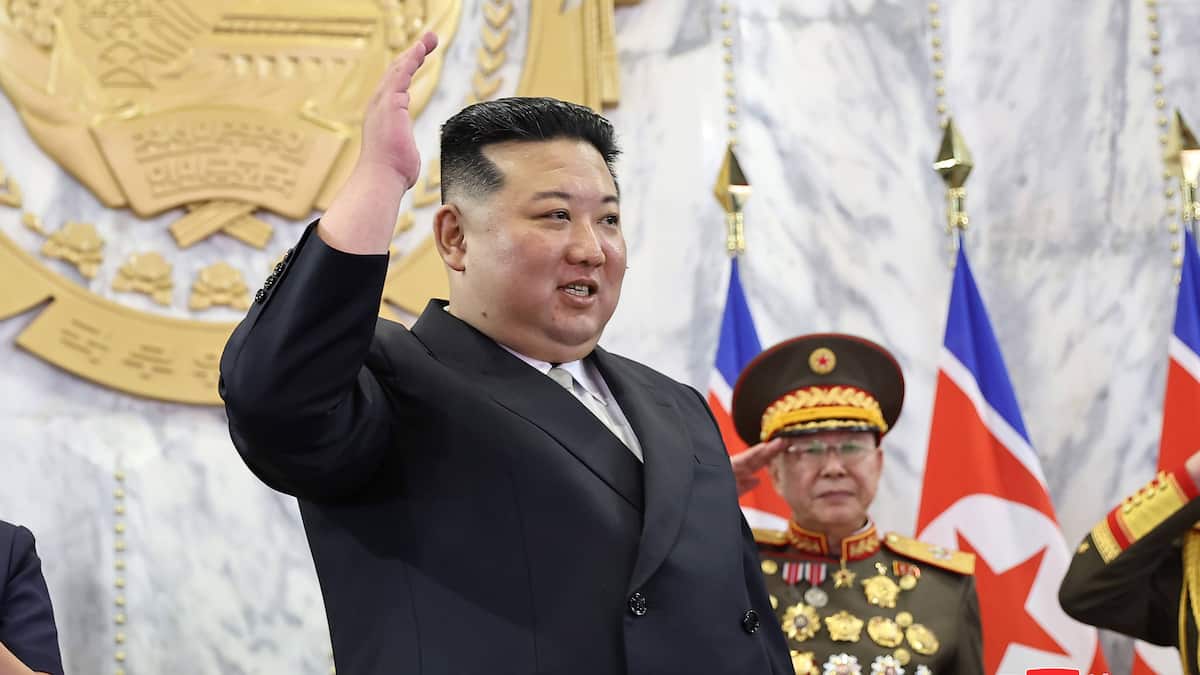
The evolution of Kim Jong Un’s nuclear strategy has significant implications for regional stability and international security. The persistence of North Korea’s nuclear program poses challenges not only for South Korea and Japan but also for the broader international community.
- Security Dilemmas: The continued development of North Korea’s nuclear capabilities prompts neighboring countries to bolster their own defenses, potentially leading to an arms race in Northeast Asia.
- Diplomatic Efforts: The international community remains divided on how to engage with North Korea, with some advocating for continued pressure through sanctions while others call for renewed diplomatic efforts.
- Humanitarian Concerns: The focus on military capabilities often overshadows pressing humanitarian issues within North Korea, where economic sanctions have exacerbated poverty and food insecurity.
A Complex and Evolving Landscape

The evolution of Kim Jong Un’s nuclear strategy reveals a complex interplay of ambition, security concerns, and geopolitical dynamics. From his early provocations to diplomatic overtures and back to military posturing, Kim has navigated a challenging landscape shaped by both internal and external pressures. The ongoing development of North Korea’s nuclear capabilities continues to pose significant challenges for regional and global security, underscoring the need for a nuanced and multifaceted approach to engagement and diplomacy. As the situation evolves, it is critical for international stakeholders to remain vigilant and adaptable in their strategies to address the persistent threat posed by North Korea’s nuclear program.
