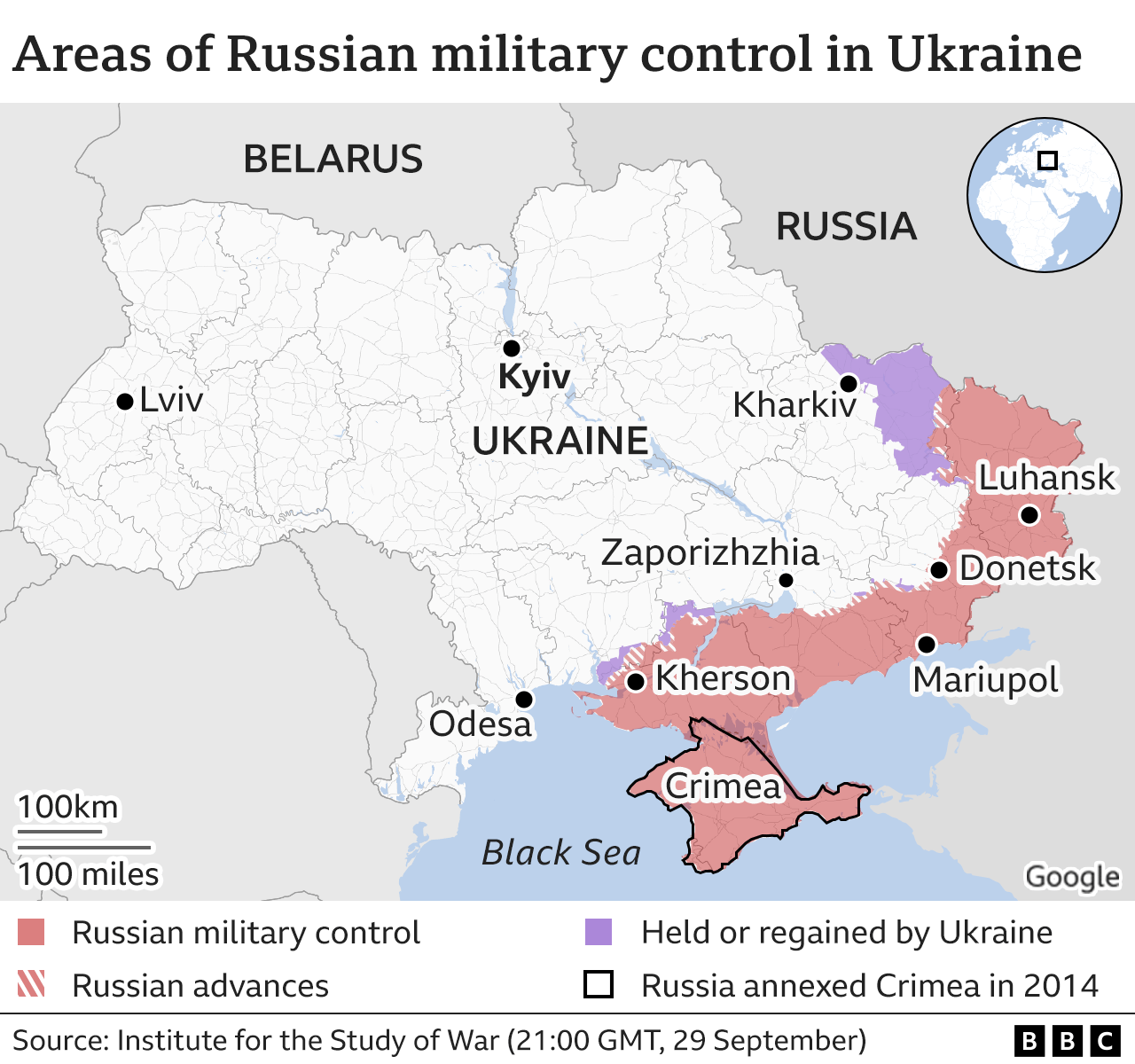
The ongoing conflict between Russia and Ukraine, which escalated in February 2022, has profoundly affected global energy markets. As one of the world’s largest energy suppliers, Russia’s military actions and subsequent sanctions have sent shockwaves through energy pricing, supply chains, and geopolitical alliances. This article delves into the multifaceted impact of the Russia-Ukraine conflict on global energy dynamics, examining changes in oil and gas prices, shifts in energy supply chains, and the long-term implications for energy security and sustainability.
Understanding the Energy Landscape Prior to the Conflict
Before delving into the conflict’s effects, it is essential to understand the pre-existing energy landscape. Russia has long been a dominant player in the global energy market, providing around 10% of the world’s oil and 30% of its natural gas. The European Union (EU), in particular, has been heavily reliant on Russian energy exports, with about 40% of its natural gas coming from Russia.
Immediate Impacts on Oil and Gas Prices
One of the most immediate effects of the Russia-Ukraine conflict has been the dramatic fluctuations in oil and gas prices. Following the onset of hostilities, oil prices surged to levels not seen since 2008, with Brent crude oil reaching over $130 per barrel in March 2022. Key factors influencing these price changes include:
- Sanctions on Russian Energy Exports: Western nations imposed stringent sanctions aimed at crippling the Russian economy. These sanctions included bans on Russian oil imports, which tightened global supply and drove up prices.
- Market Speculation: Uncertainty surrounding the conflict led to increased speculation in energy markets, further driving prices upward.
- Disruption of Supply Chains: The conflict caused logistical disruptions, particularly in the transit of oil and gas through Ukraine, which heightened concerns over supply availability.
As prices soared, many countries faced the dual challenge of rising energy costs and inflation, prompting governments to implement measures to mitigate these impacts, such as subsidies and price caps.
Shifts in Energy Supply Chains
The conflict has prompted significant shifts in global energy supply chains. Countries have been forced to rethink their energy dependencies and explore alternative sources of supply. Some of the notable changes include:
- Diversification of Energy Sources: European nations, particularly those heavily reliant on Russian gas, began seeking alternative suppliers. This led to increased imports of liquefied natural gas (LNG) from countries such as the United States, Qatar, and Australia.
- Investment in Renewable Energy: The conflict has accelerated investments in renewable energy as countries aim to reduce their dependency on fossil fuels. For instance, Germany announced a significant shift towards solar and wind energy, aiming for a carbon-neutral economy by 2045.
- Infrastructure Development: Major investments in infrastructure, such as pipelines and LNG terminals, have been announced to facilitate the transition to alternative energy sources.
Geopolitical Repercussions and Alliances
The conflict has also reshaped geopolitical alliances, particularly in the energy sector. Key developments include:
- Strengthening of Transatlantic Ties: The United States and European countries have strengthened their energy partnerships, with the U.S. committing to increase LNG exports to Europe to help mitigate the gas supply crisis.
- Increased Cooperation Among Non-Western Nations: Russia has sought to strengthen ties with non-Western countries, particularly in Asia. China, for instance, has increased its energy imports from Russia, capitalizing on the discounted prices resulting from Western sanctions.
- The Rise of OPEC+: The conflict has reinforced the significance of OPEC+ in stabilizing oil prices. The group, which includes Russia, has played a crucial role in managing oil production levels to mitigate price volatility.
Case Studies: Country Responses to Energy Crisis
Several countries have taken notable actions in response to the energy crisis triggered by the Russia-Ukraine conflict. Here are some case studies that illustrate these responses:
Germany: A Shift Towards Renewables
Germany, which has been heavily reliant on Russian gas, faced a significant crisis as the conflict unfolded. In response, the German government has accelerated its transition to renewable energy:
- Increased investment in renewable energy infrastructure, particularly solar and wind.
- Plans to phase out coal and nuclear energy by 2030, aiming for a sustainable energy future.
- Launching energy conservation initiatives to reduce overall consumption.
United States: Boosting LNG Exports
The U.S. has positioned itself as a key player in the global energy market, especially in the wake of the conflict:
- Increased LNG exports to Europe, helping to fill the gap left by reduced Russian supplies.
- Investment in domestic energy production to ensure a stable supply for both domestic and international markets.
- Negotiations with various countries to secure long-term energy contracts.
India: Navigating Energy Security

India has adopted a pragmatic approach in response to the conflict:
- Increased imports of Russian oil at discounted prices, balancing its energy needs with geopolitical considerations.
- Investment in renewable energy projects to diversify energy sources and reduce dependency on fossil fuels.
- Engagement in diplomatic discussions to secure stable energy supplies from multiple sources.
Long-Term Implications for Energy Security
The Russia-Ukraine conflict has long-term implications for global energy security. Some critical areas to consider include:
- Energy Transition Acceleration: The crisis has highlighted the vulnerabilities of fossil fuel dependency, prompting a more urgent global transition to renewable energy sources.
- Resilience in Energy Supply Chains: Countries will prioritize building more resilient energy supply chains to withstand geopolitical shocks, leading to diversified supplier relationships.
- Increased Focus on Energy Independence: Nations will likely pursue energy independence strategies, investing in domestic energy resources and technologies.
The impact of the Russia-Ukraine conflict on global energy markets is profound and multifaceted. The upheaval in oil and gas prices, the shift in energy supply chains, and the realignment of geopolitical alliances have all contributed to a rapidly changing energy landscape. As nations navigate the immediate challenges posed by the conflict, there is a clear movement towards renewable energy and energy independence. The long-term implications of these changes will redefine energy security and sustainability in a rapidly evolving world. In an era marked by uncertainty, the need for resilience and adaptability in energy policy has never been more critical.
