
In the world of sports, especially baseball, player statistics often tell a story that transcends numbers. Austin Wells, a rising star in Major League Baseball (MLB), has garnered attention not just for his talent but also for the significance of his number. This article delves into the background of Austin Wells, the implications of his jersey number, and how it reflects both personal history and broader cultural narratives within the sport.
Who is Austin Wells?
Austin Wells is a professional baseball catcher, known for his exceptional skills on the field and his strong offensive capabilities. Born on December 2, 1998, in Las Vegas, Nevada, Wells showed promise from a young age. He attended the University of Arizona, where he developed his talents and made a name for himself in collegiate baseball.
Wells was selected by the New York Yankees in the first round of the 2020 MLB Draft, a testament to his potential and performance. He has quickly risen through the minor leagues, showcasing his abilities as both a catcher and a hitter. What makes Wells particularly interesting, however, is not just his skill set but the number he wears on his jersey.
The Significance of Jersey Numbers in Baseball
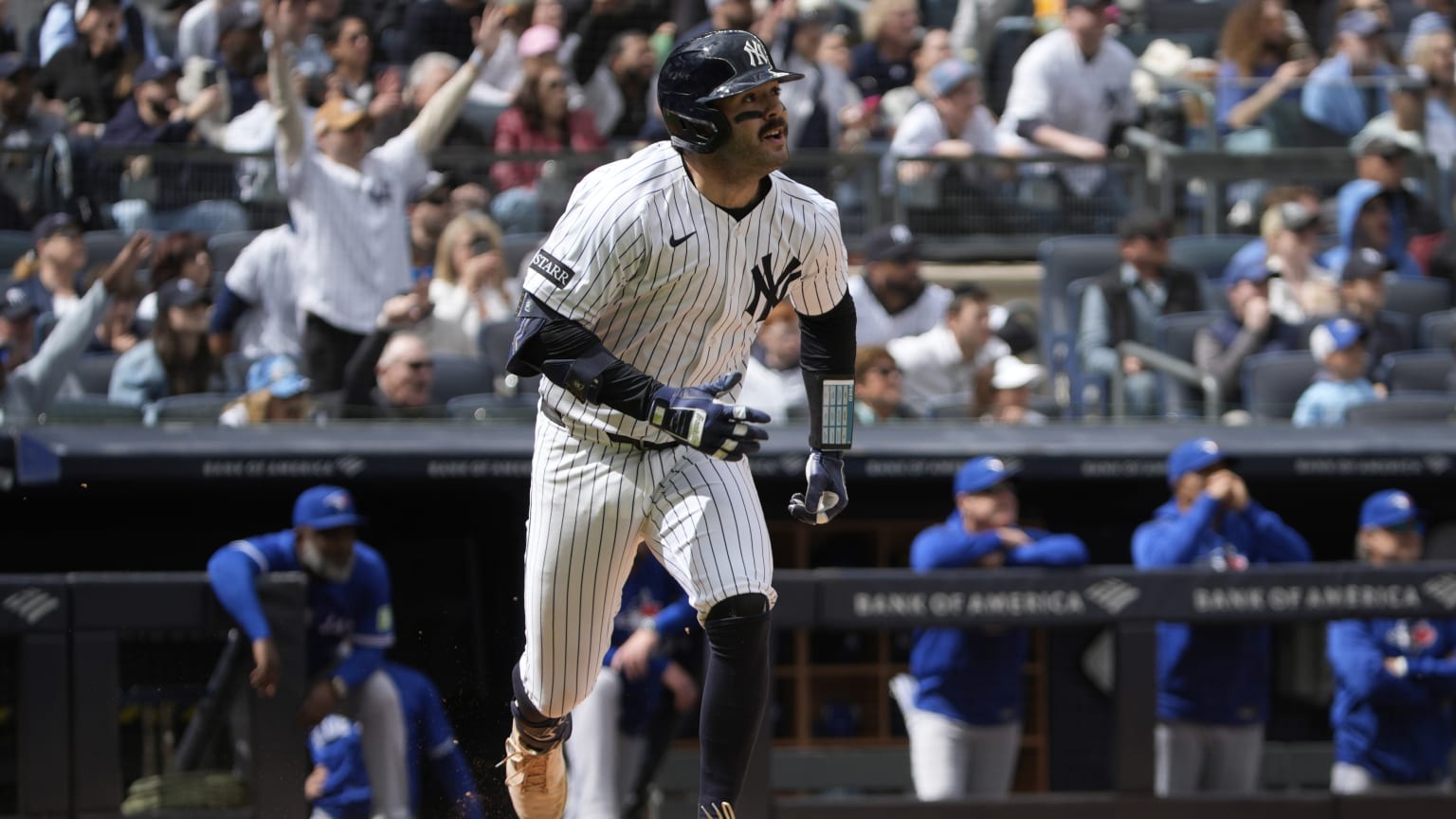
In baseball, jersey numbers carry a weight that goes beyond mere identification. They often represent history, legacy, and personal significance. Players choose numbers based on various factors, such as:
- Personal significance (birthdays, family connections)
- Historical associations (inspiration from past players)
- Team culture and traditions
For many players, wearing a particular number can enhance their identity within the sport. In the case of Austin Wells, the number he wears has its own unique narrative.
Austin Wells’ Number: 18
Austin Wells wears the number 18, a choice that is steeped in personal significance and historical resonance. The number has been worn by several notable players in the MLB, which adds an element of legacy to his choice. Notable figures who have donned the number include:
- Yogi Berra: A legendary catcher known for his time with the New York Yankees and his profound impact on the game.
- Jim Palmer: A Hall of Fame pitcher who spent his entire career with the Baltimore Orioles.
- Juan Marichal: A renowned pitcher who made significant contributions to the San Francisco Giants.
Wells’ choice of number reflects a connection to these baseball icons, symbolizing aspirations and a desire to leave a mark on the game. This connection to history is not only motivational for Wells but also resonates with fans who appreciate the legacy of the sport.
The Personal Connection: Family and Heritage

Beyond the historical significance, Wells’ number also has a personal connection. Many players choose their numbers based on family significance or personal milestones. In interviews, Wells has mentioned that his choice was influenced by a family member, highlighting the importance of family in shaping his identity as a player.
Such personal narratives add depth to the significance of jersey numbers. For instance, the number 18 might represent his birthday or a tribute to someone important in his life. This personal touch makes the number not just a digit but a symbol of his journey and values.
Impact on Team Dynamics and Fan Engagement
The choice of number can also impact team dynamics and fan engagement. In the case of the New York Yankees, a franchise steeped in tradition, the number 18 is part of a larger narrative that fans are keenly aware of. The significance of Wells’ number can enhance his connection with the fan base, making them more invested in his journey.
Moreover, players often become role models for younger fans, and seeing someone like Wells wearing the number 18 can inspire a new generation of baseball enthusiasts. This connection between player and fan is crucial in building a supportive community around the sport.
Statistics and Performance: A Look at Austin Wells’ Career

As of the 2023 season, Austin Wells has made a significant impact in the minor leagues, and his statistics reflect his potential as a future star. Here are some key statistics that underline his performance:
- Batting Average: Wells has consistently maintained a batting average above .300 in the minor leagues, showcasing his hitting prowess.
- Home Runs: He has demonstrated power at the plate, hitting a considerable number of home runs, which is essential for a modern catcher.
- On-Base Percentage: His ability to get on base through walks and hits makes him a valuable asset in the lineup.
These statistics not only highlight Wells’ talent but also reinforce the narrative surrounding his number. As he continues to develop, fans and analysts will be watching closely to see how he embodies the legacy of the number 18.
Case Studies: Other Players and Their Numbers
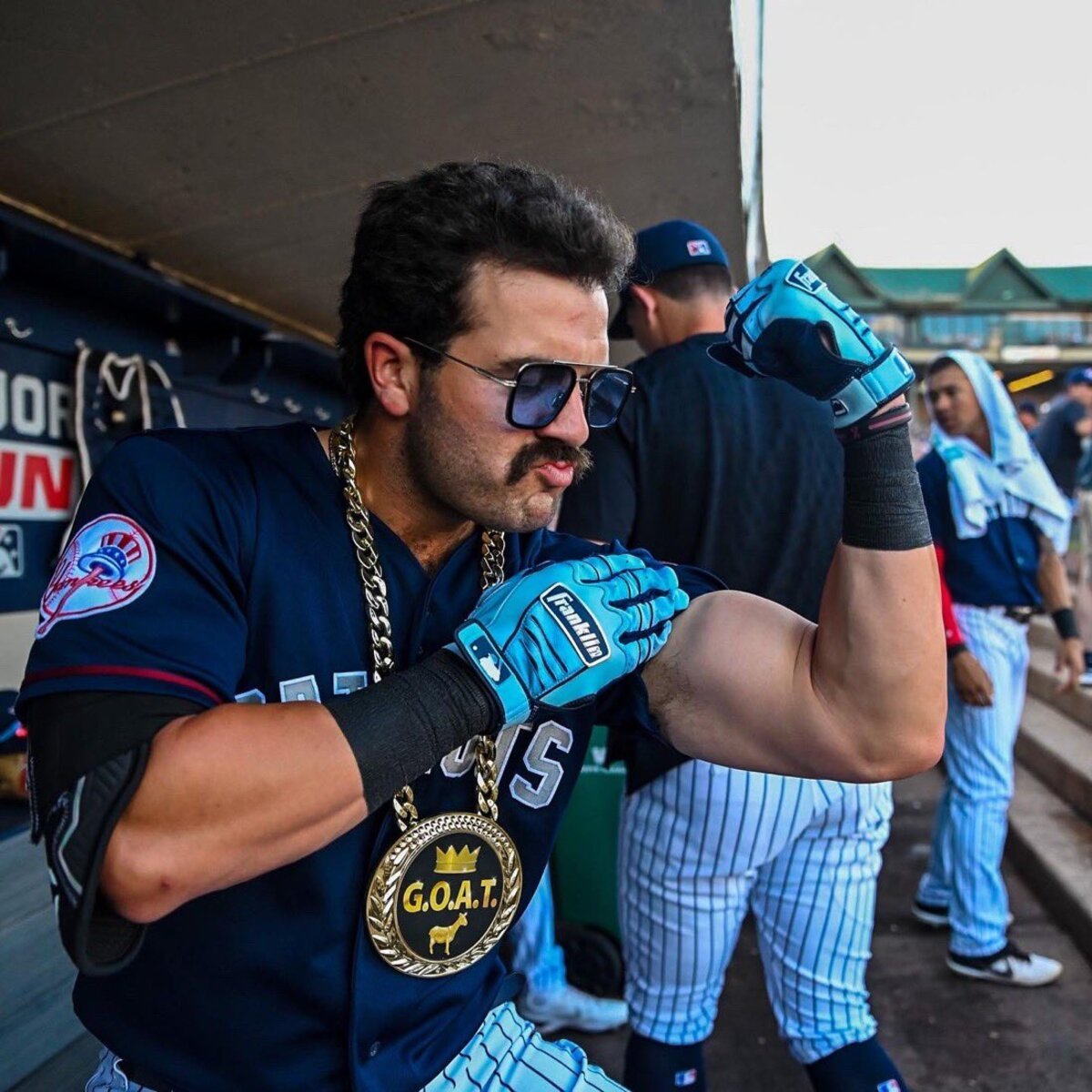
Examining other players and their jersey numbers provides context to the significance of Wells’ choice. For instance:
- Jackie Robinson (42): Robinson’s number is universally retired across MLB, symbolizing the breaking of barriers in the sport. His number represents courage and change.
- Babe Ruth (3): Ruth’s number is synonymous with greatness, and his legacy continues to influence players today.
- Ken Griffey Jr. (24): Griffey’s number is cherished by fans and symbolizes a connection to the game’s history and the joy it brings to players and fans alike.
Each of these cases illustrates how a number can encapsulate a player’s identity, history, and the values they represent. For Wells, carrying the number 18 means stepping into a legacy while forging his own path in the sport.
The Legacy of Austin Wells and His Number

In conclusion, the significance of Austin Wells and his jersey number, 18, extends beyond mere statistics and performance on the field. His choice reflects personal connections, historical legacies, and the impact of numbers in baseball culture. As he continues to develop his career with the New York Yankees, fans and analysts alike will be watching to see how he embodies the spirit of his number while contributing to the rich tapestry of baseball history.
Wells represents a new generation of players who are keenly aware of their place within the sport’s narrative. As he steps onto the field, the weight of his number and what it represents will undoubtedly influence his journey, inspiring not only himself but also countless others who admire the game of baseball.
