Life insurance is a critical component of financial planning, providing peace of mind and financial security for loved ones in the event of an untimely death. Among the various insurance providers, Ethos Life Insurance has garnered attention for its innovative approach and user-centric services. However, understanding life insurance ratings, especially those associated with Ethos, is essential for making informed decisions. This guide aims to demystify Ethos Life Insurance ratings, their significance, and how they can impact your insurance choices.
What Are Life Insurance Ratings?
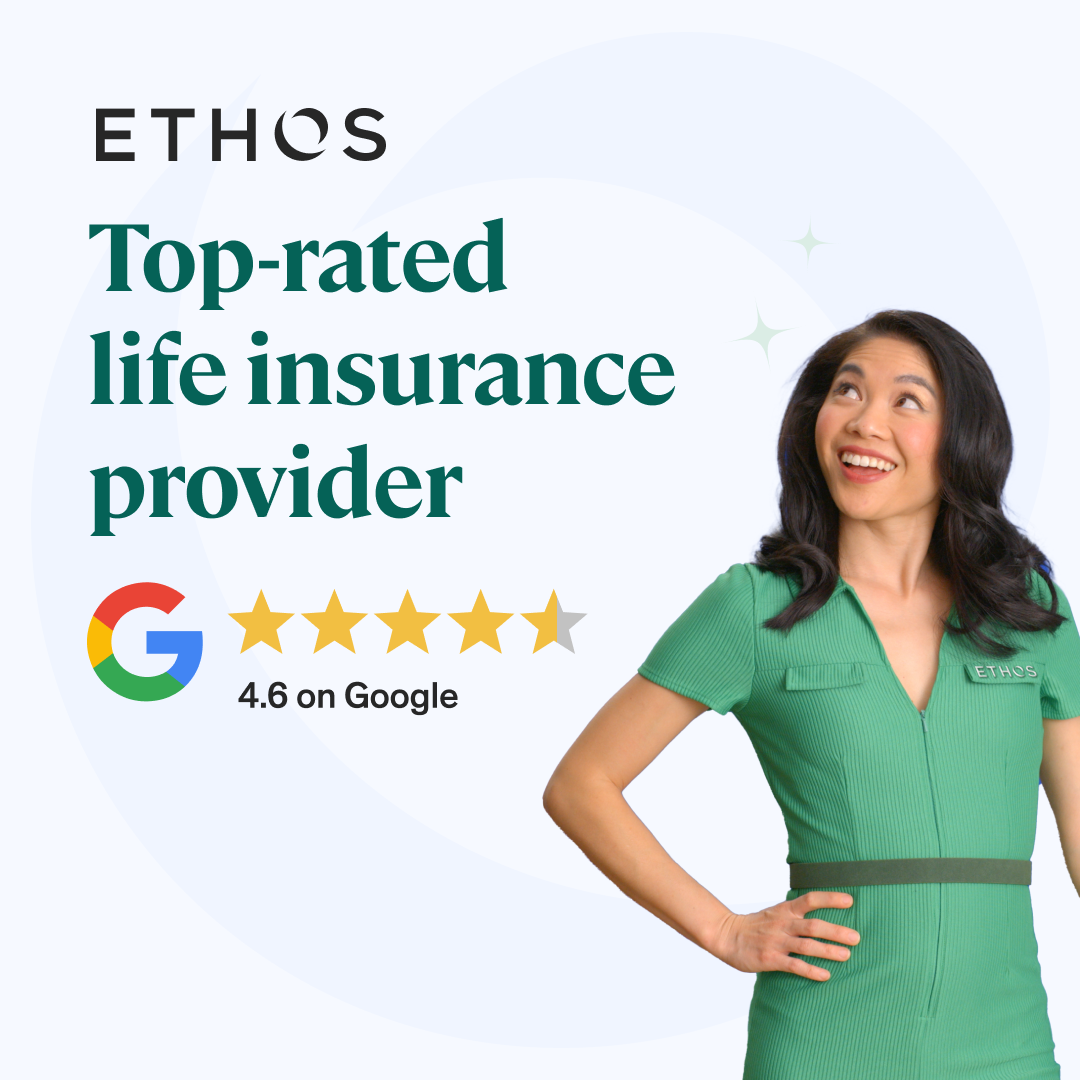
Life insurance ratings are assessments provided by independent agencies that evaluate the financial strength and reliability of insurance companies. These ratings help consumers gauge the likelihood that an insurer will be able to meet its future policyholder obligations, such as paying out death benefits. The primary rating agencies include:
- A.M. Best: Focuses on the financial health of insurance companies.
- Fitch Ratings: Assesses creditworthiness and financial stability.
- Moody’s: Provides ratings based on financial strength and risk.
- Standard & Poor’s (S&P): Evaluates overall credit risks and financial performance.
Each agency uses different methodologies to come up with their ratings, which can range from A++ (excellent) to D (in default). Understanding these ratings can help you make a more informed decision when selecting a life insurance provider.
Why Ethos Life Insurance Ratings Matter

Ethos Life Insurance is a modern life insurance provider that leverages technology to simplify the buying process. The company’s ratings provide insight into its stability and reliability. Here’s why these ratings are crucial:
- Financial Security: A high rating indicates that Ethos is financially stable and capable of paying claims.
- Consumer Confidence: Positive ratings foster trust among policyholders and potential customers.
- Policy Options: Understanding ratings can help you choose the right policy that meets your needs without compromising on financial security.
How Ethos Life Insurance Ratings Are Determined
The ratings assigned to Ethos Life Insurance depend on several factors:
- Financial Performance: This includes revenue, profit margins, and overall profitability.
- Claims Paying Ability: Evaluators examine the company’s history of paying claims promptly.
- Market Position: Ethos’ position in the market and its competitive advantages are also considered.
- Investment Strategy: The agency looks at how Ethos manages investments to support its liabilities.
These factors help rating agencies formulate a comprehensive view of Ethos’ financial health and operational efficiency, ultimately influencing their ratings.
Current Ratings of Ethos Life Insurance

As of the latest data, Ethos Life Insurance has received favorable ratings from various agencies. For instance, A.M. Best has rated Ethos Life Insurance as B+ (Good), indicating a stable outlook. This rating signifies that Ethos has a good ability to meet its ongoing insurance obligations. It is essential to keep in mind that ratings can change based on the company’s performance and market conditions, so it’s wise to check these ratings regularly.
Comparative Analysis: Ethos vs. Traditional Insurers

When evaluating Ethos Life Insurance, it’s also helpful to compare it with traditional insurers. Here’s a breakdown of how Ethos stacks up:
- Application Process:
- Ethos: Known for a streamlined online application process that often doesn’t require medical exams.
- Traditional Insurers: Typically require extensive paperwork and medical exams, making the process longer.
- Policy Options:
- Ethos: Primarily offers term life insurance with flexible coverage options.
- Traditional Insurers: Usually provide a wider range of products, including whole life and universal life policies.
- Cost:
- Ethos: Often provides competitive rates due to the low overhead of online operations.
- Traditional Insurers: May have higher premiums due to more extensive customer service operations.
Each option has its advantages, and the choice will ultimately depend on individual preferences and circumstances.
Case Studies: Real-Life Implications of Ethos Ratings

To better understand the importance of Ethos ratings, consider the following hypothetical scenarios:
- Scenario 1: Sarah, a 30-year-old professional, opts for a term life policy from Ethos after reviewing its ratings. A few years later, she unexpectedly passes away, and her family receives the death benefit promptly, demonstrating Ethos’ reliability as indicated by its favorable ratings.
- Scenario 2: John, 45, chooses a traditional insurer with a lower rating because of a long-standing relationship. After his untimely death, his beneficiaries face delays in receiving the death benefit due to the insurer’s financial struggles, highlighting the risks associated with choosing a lower-rated company.
How to Use Ethos Ratings in Your Decision-Making

When considering life insurance from Ethos or any other provider, use the following steps to guide your decision:
- Research Ratings: Start by checking Ethos’ current ratings from multiple agencies.
- Read Reviews: Look for customer reviews and feedback on claims experiences.
- Compare Policies: Evaluate the types of policies offered and how they align with your financial goals.
- Consult an Expert: If needed, consult a financial advisor to understand your options better.
Understanding Ethos Life Insurance ratings is vital for making informed decisions about life insurance. Ratings from reputable agencies provide insights into the financial strength and reliability of Ethos, helping consumers assess risk and security. By comparing Ethos with traditional insurers, analyzing real-life scenarios, and using ratings effectively in decision-making, you can ensure that you choose a life insurance policy that not only meets your needs but also provides peace of mind for you and your loved ones. In the end, the right life insurance policy can be a cornerstone of financial security, and understanding the ratings behind those providers is a crucial step in the right direction.
