The B-2 Spirit, commonly known as the B-2 bomber, is one of the most advanced and expensive military aircraft ever developed. Its unique design, stealth capabilities, and strategic importance make it a fascinating subject for military enthusiasts and defense analysts alike. In this article, we will explore the costs associated with the B-2 bomber, evaluate its value to the United States Air Force (USAF), and discuss its impact on modern warfare.
Understanding the Price Tag of the B-2 Bomber
When discussing the costs of the B-2 bomber, it’s important to break down the various components that contribute to its overall price. The B-2 is not just an aircraft; it represents a significant investment in technology, research, and development.
The Initial Cost
The unit cost of a single B-2 bomber is approximately $2.1 billion. This staggering figure accounts for the extensive technology and engineering required to create such a sophisticated aircraft. The total program cost, which includes research, development, testing, and production, is estimated at around $44 billion.
- Unit Cost: $2.1 billion
- Total Program Cost: $44 billion
- Number of Units: 21 B-2 bombers built
Operating Costs
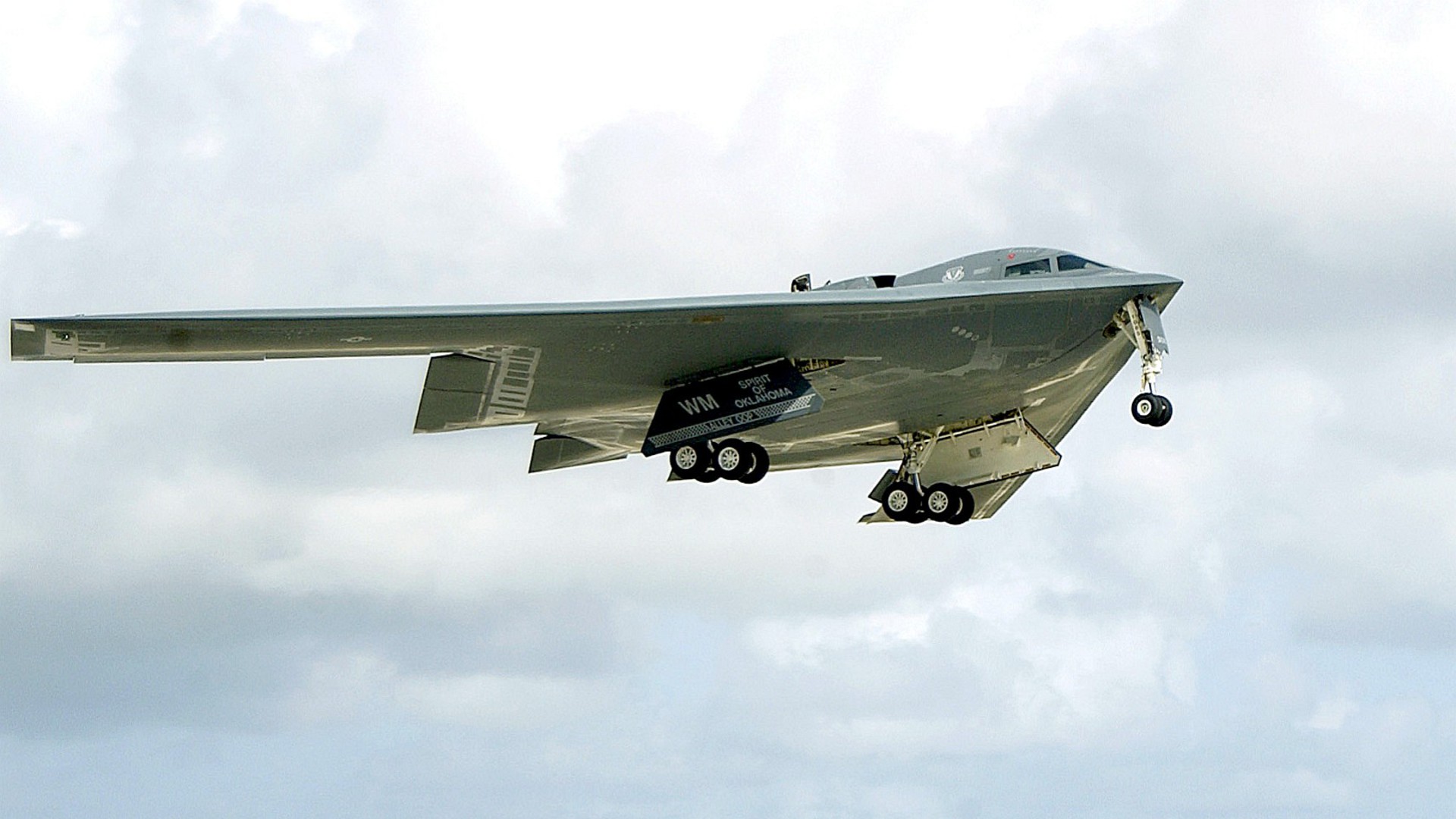
In addition to the initial purchase price, the B-2’s operating costs are significant. The aircraft’s maintenance, training, and support requirements add to its financial burden. The average annual operating cost for each B-2 is estimated to be around $135 million. This includes:
- Fuel Costs
- Maintenance and Repairs
- Personnel Training and Salaries
- Logistics and Support
The Value Proposition of the B-2 Bomber

While the costs associated with the B-2 bomber are high, its value to national security and military strategy is often viewed as justifying the expense. The B-2 provides several critical advantages to the USAF:
Stealth Capabilities
The B-2’s design incorporates advanced stealth technology that allows it to evade enemy radar systems. This capability is essential for penetrating heavily defended airspace and executing strategic bombing missions with a low risk of detection. The B-2’s stealth features include:
- Radar-Absorbing Materials
- Unique Shape and Design
- Advanced Avionics and Electronic Warfare Systems
Long-Range Strike Capability
The B-2 bomber has an impressive range, capable of flying more than 6,000 nautical miles without refueling. This long-range capability allows the USAF to project power globally and conduct missions far from home bases. Its ability to carry both conventional and nuclear weapons makes it a versatile tool for both deterrence and combat.
Precision Strike
Equipped with precision-guided munitions, the B-2 can strike targets with incredible accuracy from high altitudes. This capability minimizes collateral damage and increases mission effectiveness, making it a preferred choice for modern warfare where precision is paramount.
Case Studies: B-2 Bomber in Action
The B-2 bomber has been utilized in various military operations since its introduction, showcasing its capabilities and value. Here are two notable examples:
Operation Allied Force
During the 1999 NATO intervention in Kosovo, B-2 bombers played a crucial role. They were responsible for delivering precision strikes against key military targets in Serbia. The stealth capabilities of the B-2 allowed it to conduct missions without being detected, demonstrating the effectiveness of its design in a combat scenario.
Operation Enduring Freedom
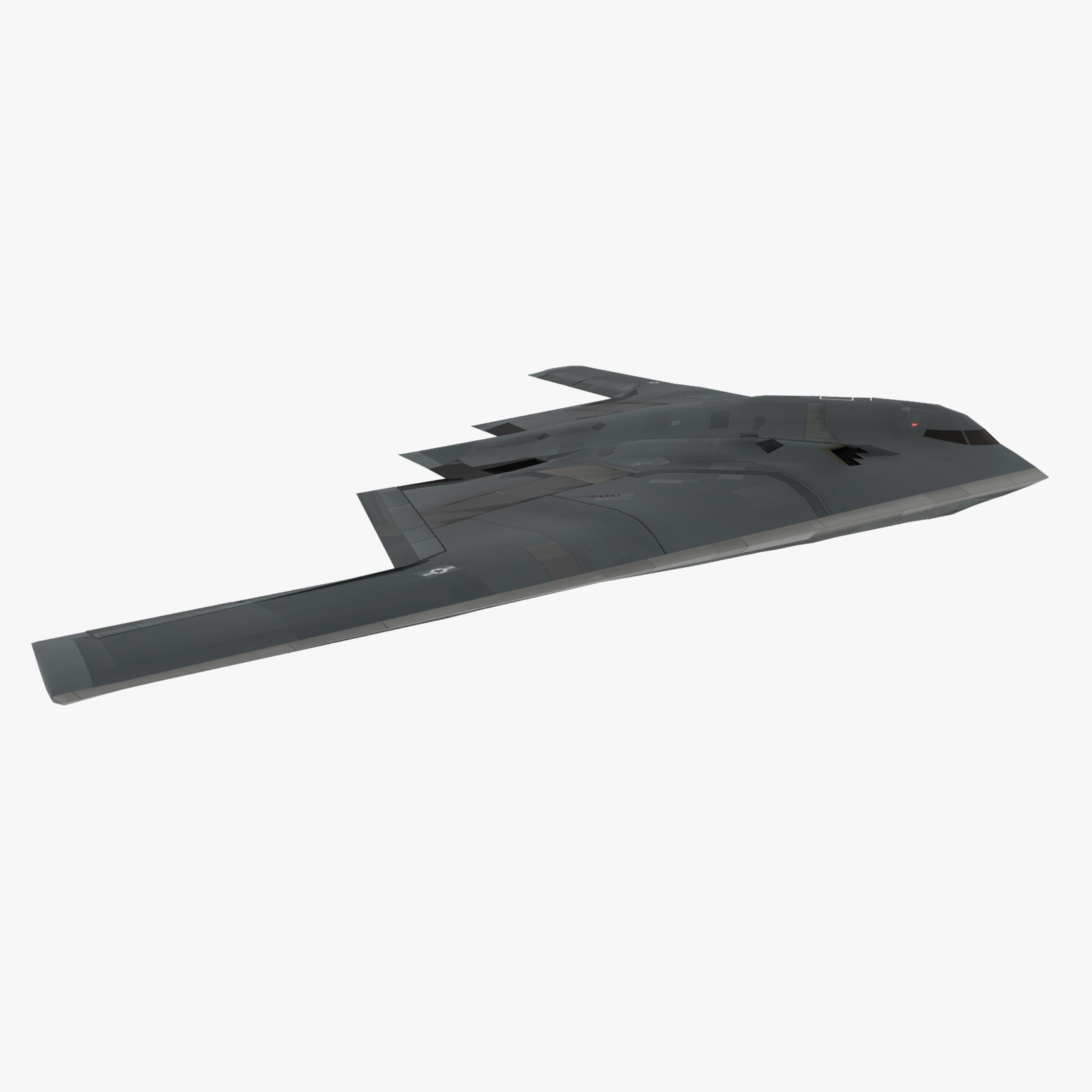
In the aftermath of the September 11 attacks, B-2 bombers were deployed in Afghanistan as part of Operation Enduring Freedom. They conducted bombing missions against Taliban and Al-Qaeda targets, showcasing their ability to deliver both conventional bombs and precision-guided munitions effectively. The B-2’s long-range capabilities allowed it to operate from the U.S. mainland, eliminating the need for forward bases in the region.
Future Outlook and Technological Advancements
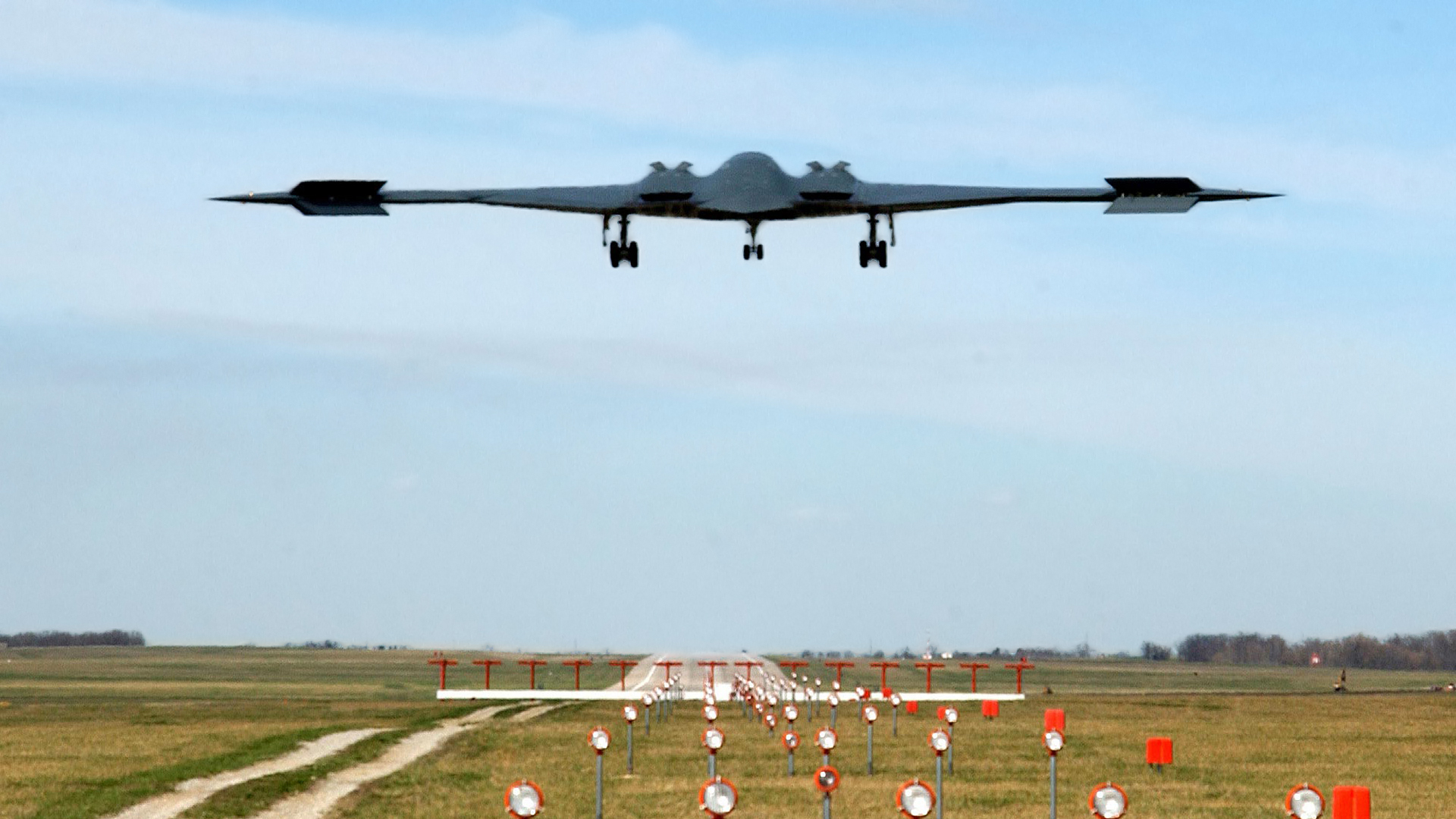
As the military landscape continues to evolve, the B-2 bomber remains a vital asset for the USAF. However, it faces competition from emerging technologies and the next generation of bombers, such as the B-21 Raider. The B-21, which is currently in development, seeks to enhance stealth, range, and payload capabilities while reducing operational costs.
Comparative Costs and Value

When comparing the B-2 to its successors and contemporaries, it’s essential to consider both costs and effectiveness. The B-21 Raider is projected to cost around $550 million per unit, significantly lower than the B-2. However, the B-2’s advanced capabilities and proven track record in combat make it a valuable asset that is not easily replaced.
- B-2: $2.1 billion per unit
- B-21: Estimated $550 million per unit
The B-2 Bomber’s Lasting Legacy

The B-2 bomber represents a significant investment in military technology and strategy, with its costs reflecting the advanced capabilities it brings to the USAF. While the initial price tag and operating costs are substantial, the value it provides in terms of stealth, range, and precision strike capabilities cannot be understated. As the U.S. military looks to the future, the B-2 will continue to play a crucial role in maintaining air superiority and executing strategic missions. Its proven effectiveness in combat operations solidifies its status as a key component of America’s defense strategy, ensuring that it remains relevant in an ever-changing military landscape.
In summary, understanding the costs and value of the B-2 bomber is essential for appreciating its role in modern warfare. The balance between financial investment and operational effectiveness will continue to shape discussions around military spending and strategic priorities in the years to come.