Norwegian filmmaker Joachim Trier has emerged as one of the most innovative voices in contemporary cinema, particularly noted for his profound exploration of family narratives. His films delve deep into the complexities of familial relationships, weaving intricate tales that reflect the universal struggles, joys, and intricacies of family life. This article will explore Trier’s unique approach to storytelling, analyzing how he crafts compelling family narratives that resonate with audiences worldwide.
The Significance of Family Narratives in Cinema
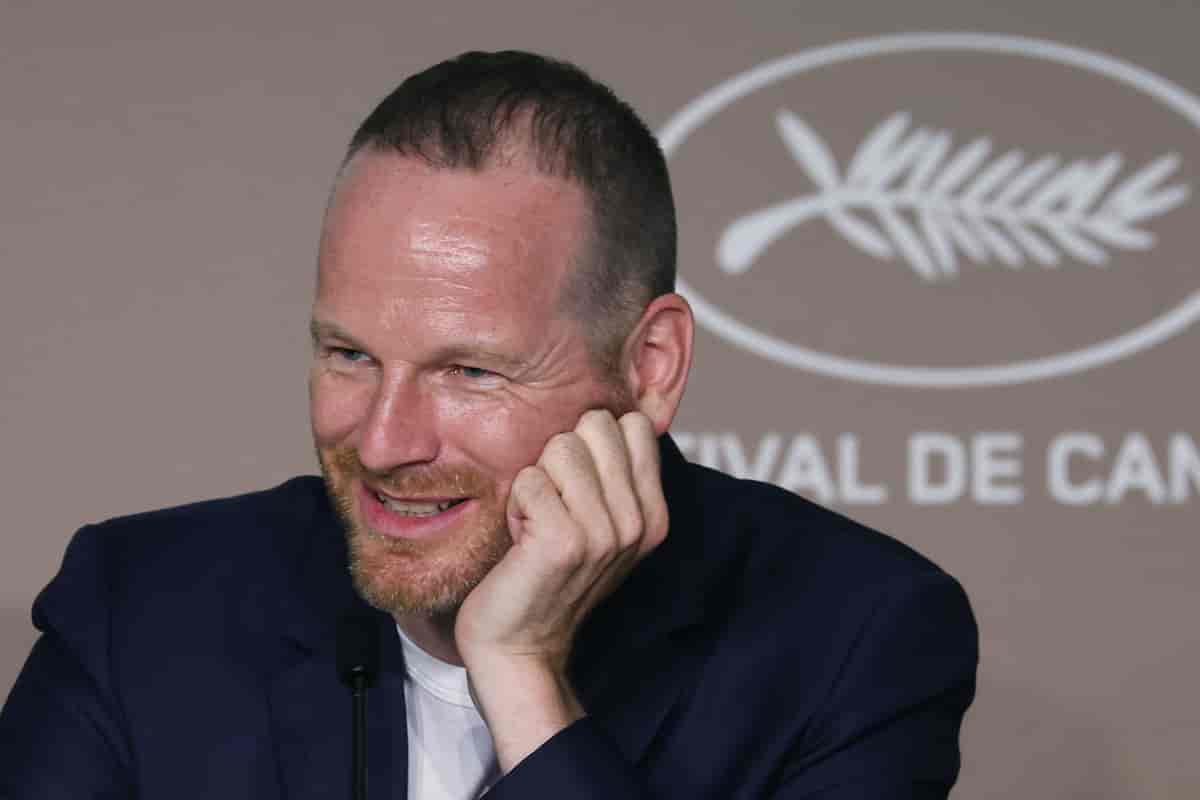
Family narratives are a cornerstone of cinematic storytelling. They offer a microcosm of society, allowing filmmakers to explore broader themes such as love, conflict, identity, and belonging. Trier’s films exemplify this, showcasing the following characteristics:
- Emotional Depth: Family stories evoke strong emotional responses, making them relatable and poignant.
- Universal Themes: Issues such as grief, reconciliation, and generational conflict transcend cultural boundaries.
- Character Development: Family dynamics serve as a vehicle for character exploration and growth.
In this context, Trier’s films stand out for their ability to blend personal and universal narratives, allowing audiences to connect deeply with the characters and their journeys.
A Closer Look at Trier’s Filmography

Joachim Trier has directed several acclaimed films, each offering a unique take on family narratives. Notable works include:
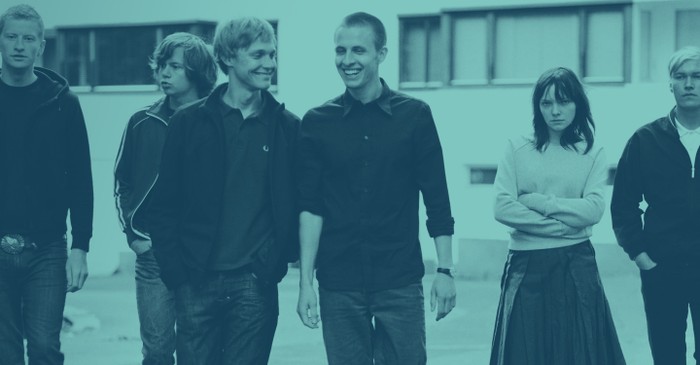
- Reprise (2006): This film explores the lives of two aspiring writers, delving into themes of ambition, mental health, and friendship, while also touching on familial relationships and expectations.
- Oslo, August 31st (2011): A poignant story of a recovering addict, this film touches on the protagonist’s relationships with his family and friends, illustrating the impact of addiction on familial bonds.
- Louise Wimmer (2011): Although not directed by Trier, his collaboration with director Cyril Schäublin highlights family dynamics through the lens of economic hardship and personal struggle.
- Thelma (2017): A supernatural thriller that intertwines themes of family, sexuality, and repression, showcasing the conflict between individual desires and familial expectations.
- Worst Person in the World (2021): A coming-of-age story that navigates relationships, identity, and the challenges of adulthood, with family dynamics playing a crucial role in shaping the protagonist’s journey.
Crafting Authentic Family Dynamics
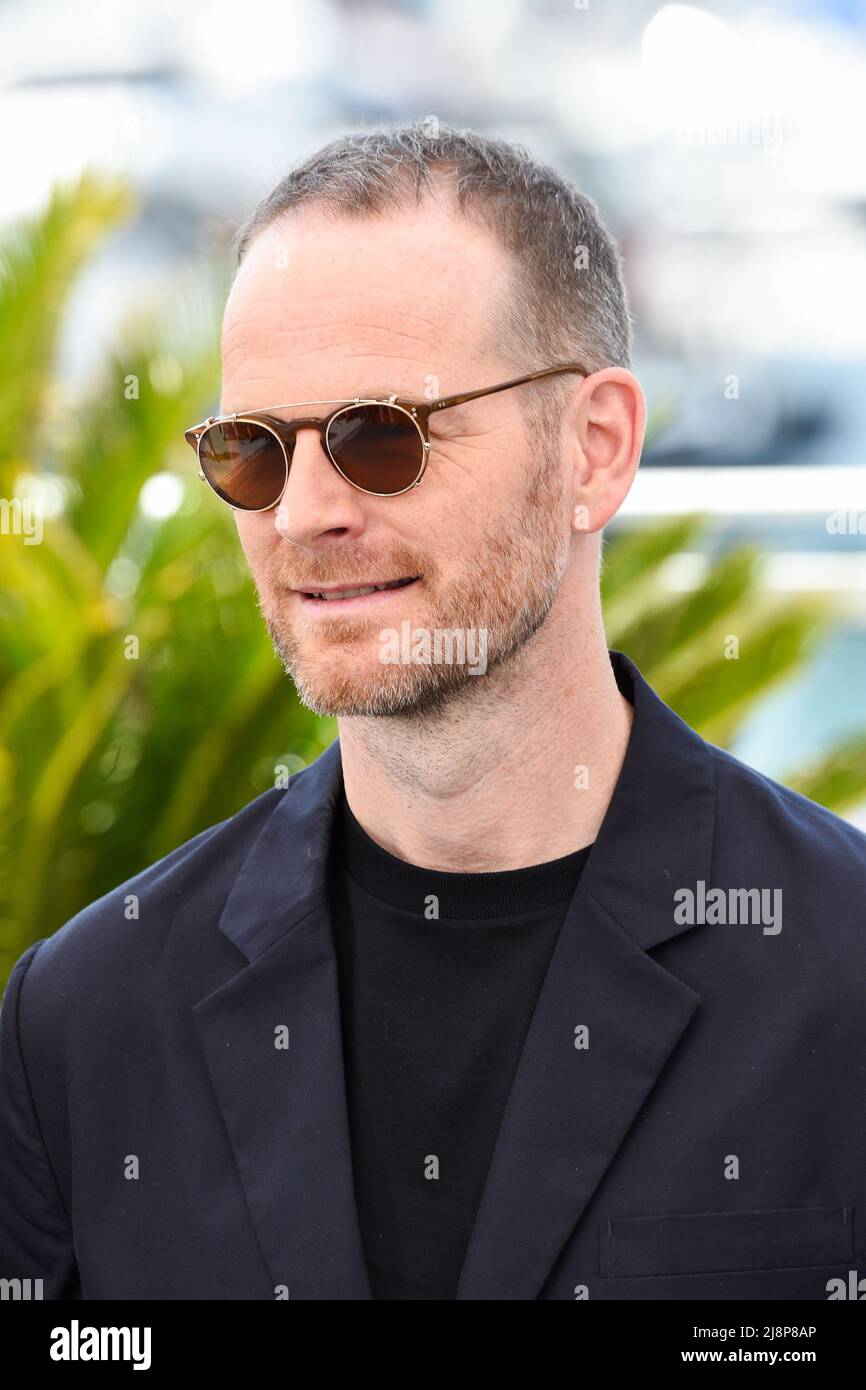
Trier’s strength lies in his ability to depict authentic family dynamics. His characters are often flawed and complex, reflecting real human experiences. Some key techniques employed by Trier include:
- Character-Driven Narratives: Trier focuses on character development rather than plot mechanics. Each character’s background and relationships inform their actions and choices.
- Subtlety and Nuance: He often avoids melodrama, opting instead for quiet moments that reveal deeper emotional truths, allowing the audience to draw their own conclusions.
- Realism: Trier’s films often feel grounded in reality, using relatable settings and situations to enhance the believability of family interactions.
These techniques help create a sense of authenticity that resonates with audiences, drawing them into the emotional landscape of the characters’ lives.
The Role of Setting in Family Narratives
Setting plays a crucial role in Trier’s storytelling, often reflecting the inner turmoil of characters. His use of Norwegian landscapes adds depth to the narrative, conveying themes of isolation, introspection, and connection. For example:
- Oslo’s Urban Landscape: The city of Oslo serves as a backdrop that highlights both the beauty and harshness of modern life, impacting the characters’ experiences.
- Natural Landscapes: Scenic views and serene environments often contrast with the characters’ emotional struggles, emphasizing the dissonance between external beauty and internal chaos.
By carefully choosing his settings, Trier enhances the emotional weight of his family narratives, inviting viewers to immerse themselves fully in the characters’ journeys.
Case Study: The Worst Person in the World
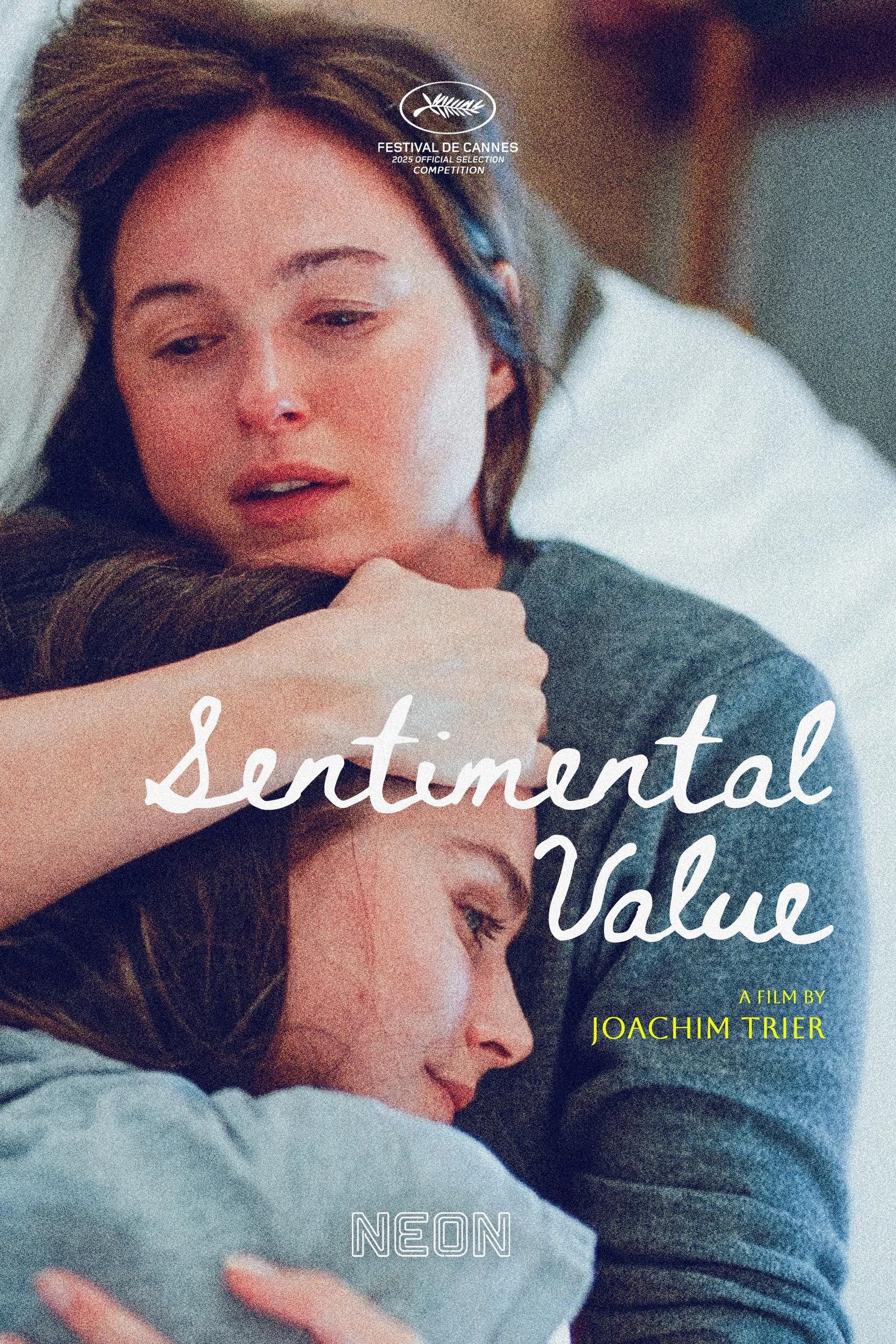
Released in 2021, “The Worst Person in the World” is a standout example of Trier’s mastery in crafting family narratives. The film follows Julie, a young woman navigating love, career aspirations, and her sense of self. Key elements include:
- Complex Relationships: Julie’s interactions with her parents and partners reveal the complexities of romantic and familial love, showcasing the challenges of balancing personal desires with family expectations.
- Personal Growth: The film highlights Julie’s journey of self-discovery, illustrating how her familial relationships shape her identity.
- Universal Themes: The struggles of growing up, finding one’s path, and reconciling personal ambitions with family ties resonate with a wide audience, making the narrative relatable.
This film not only reinforces Trier’s ability to portray authentic family narratives but also demonstrates his skill in blending humor, drama, and realism in storytelling.
The Impact of Trier’s Work on Contemporary Cinema

Trier’s films have had a significant impact on contemporary cinema, particularly in the realm of family narratives. His unique approach has inspired a new generation of filmmakers to explore similar themes. Key contributions include:
- Redefining Family Dynamics: Trier’s work challenges traditional representations of families, highlighting the complexities and imperfections that define real-life relationships.
- Innovative Storytelling Techniques: His focus on character-driven narratives and nuanced storytelling has influenced filmmakers to prioritize depth over spectacle.
- Emphasis on Emotional Truth: Trier’s films underscore the importance of emotional authenticity, encouraging filmmakers to create relatable and impactful stories.
These contributions have not only enriched Norwegian cinema but have also resonated globally, leading to a wider appreciation for family narratives in film.
Joachim Trier has mastered the art of family narratives in film, skillfully weaving intricate tales that resonate with audiences on multiple levels. His ability to portray authentic relationships, coupled with his innovative storytelling techniques, has redefined the way families are represented on screen. Through films like “The Worst Person in the World,” Trier explores the complexities of family dynamics, revealing the universal struggles and joys that come with them.
As cinema continues to evolve, Trier’s work serves as a reminder of the power of family narratives to connect us, offering insights into the human experience. His films encourage us to reflect on our own familial relationships, making them not just stories on screen but profound explorations of life itself. Ultimately, Trier’s mastery of family storytelling establishes him as a vital voice in contemporary cinema, inspiring both audiences and aspiring filmmakers alike.