Kim Jong Un, the Supreme Leader of North Korea, has made headlines not only for his leadership style but also for his unprecedented rise to power as the youngest nuclear leader in history. At only 33 years old, he has guided a nation that has been marred by controversy, economic hardship, and international isolation. This article aims to explore Kim Jong Un’s ascent to power, his nuclear ambitions, and the broader implications of his leadership on global politics.
The Rise of Kim Jong Un

Kim Jong Un was born on January 8, 1984, and is the son of Kim Jong Il, the former Supreme Leader of North Korea, and Ko Yong-hui. His rise to power is marked by several key events:
- Education: Kim Jong Un attended school in Switzerland, where he was exposed to Western culture. This experience has shaped his worldview, albeit he has largely remained aligned with the principles of his family’s regime.
- Death of Kim Jong Il: In December 2011, Kim Jong Il passed away, and Kim Jong Un was quickly positioned as his successor. His age and relative inexperience raised eyebrows, but he was groomed for leadership.
- Consolidation of Power: Following his ascension, Kim eliminated potential rivals within the regime, including his uncle Jang Song-thaek, consolidating his power and authority.
- Nuclear Program Focus: Under Kim’s leadership, North Korea accelerated its nuclear weapons program, claiming it as essential for national security.
Nuclear Ambitions: A New Era for North Korea

Kim Jong Un’s leadership has marked a significant shift in North Korea’s approach to nuclear weapons. While his father and grandfather also pursued nuclear capabilities, Kim has taken a more aggressive stance. Some critical aspects of his nuclear ambitions include:
- Development of ICBMs: North Korea has successfully tested intercontinental ballistic missiles (ICBMs), which can reach targets within the United States. The successful launch of the Hwasong-15 in November 2017 demonstrated this capability.
- Nuclear Tests: Kim has overseen multiple nuclear tests, with the most significant occurring in September 2017, which North Korea claimed was a hydrogen bomb. This test was met with global condemnation and heightened tensions.
- Negotiations and Diplomacy: Kim has engaged in unprecedented talks with global leaders, including U.S. President Donald Trump in 2018. Despite the fanfare, these talks have yet to yield substantial results in denuclearization.
The Humanitarian Crisis in North Korea
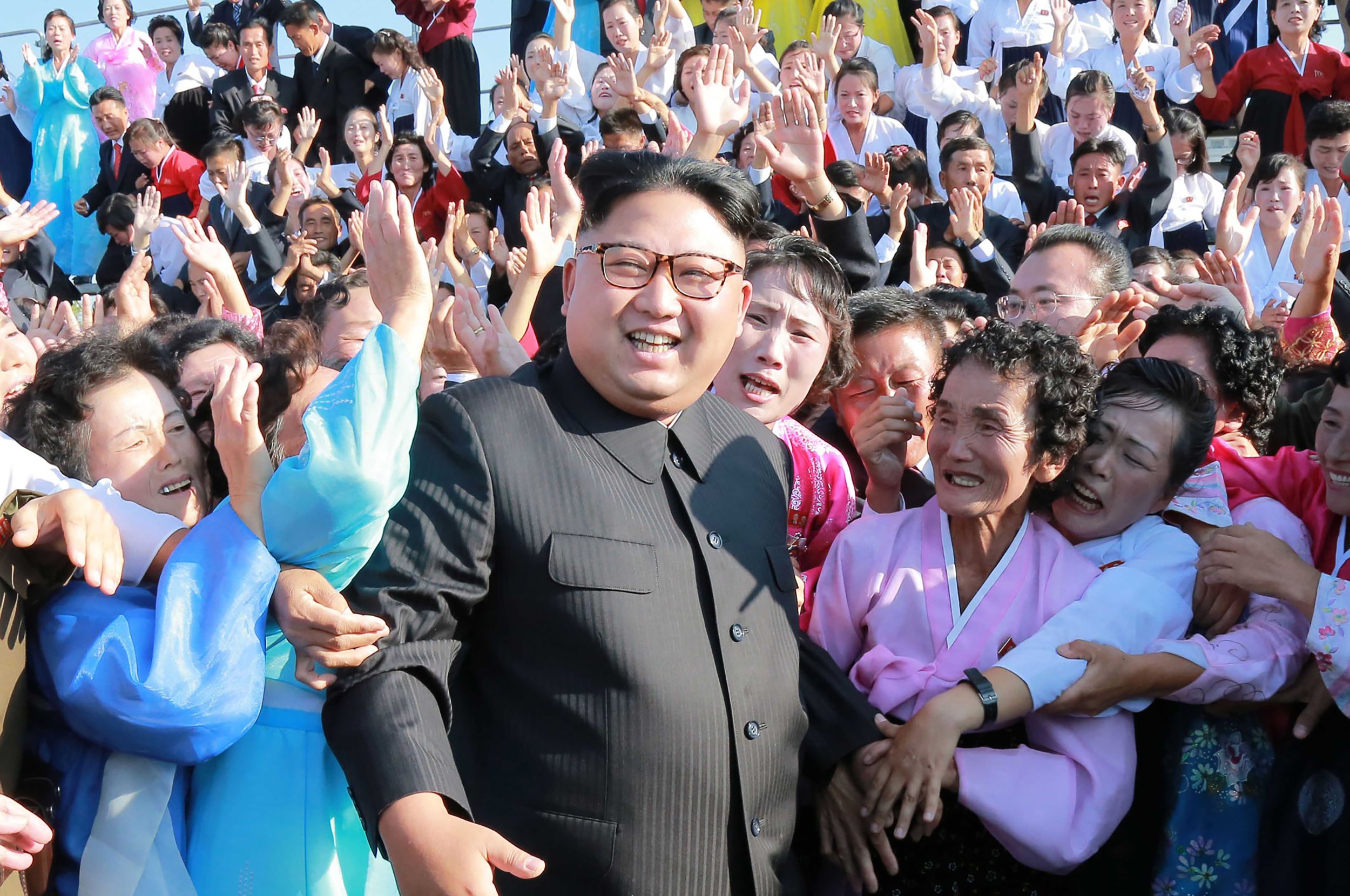
While the world focuses on Kim Jong Un’s military ambitions, the humanitarian crisis in North Korea remains dire. The regime’s prioritization of nuclear development over the welfare of its citizens has exacerbated existing issues:
- Food Insecurity: North Korea faces chronic food shortages, with estimates indicating that around 40% of the population is food insecure. The government often prioritizes military spending over agricultural development.
- Health Care: The healthcare system is underfunded and lacks basic medical supplies. The COVID-19 pandemic has further strained an already fragile health infrastructure.
- Human Rights Violations: The regime is notorious for its human rights abuses, including political prison camps, where thousands of individuals are held under inhumane conditions.
Global Reactions and Implications

Kim Jong Un’s leadership and nuclear ambitions have triggered various global reactions, creating a complex geopolitical landscape:
- Sanctions: The international community, particularly the United Nations, has imposed a series of sanctions aimed at curbing North Korea’s nuclear program. These sanctions have had a significant impact on the country’s economy.
- Regional Security: Neighboring countries, particularly South Korea and Japan, have heightened their military preparedness in response to North Korea’s actions. The potential for conflict in the region remains a concern.
- U.S. Policy: The U.S. has fluctuated between diplomatic engagement and military posturing under different administrations. The approach to North Korea remains a contentious issue in U.S. foreign policy.
Case Studies: Key Events Under Kim’s Leadership
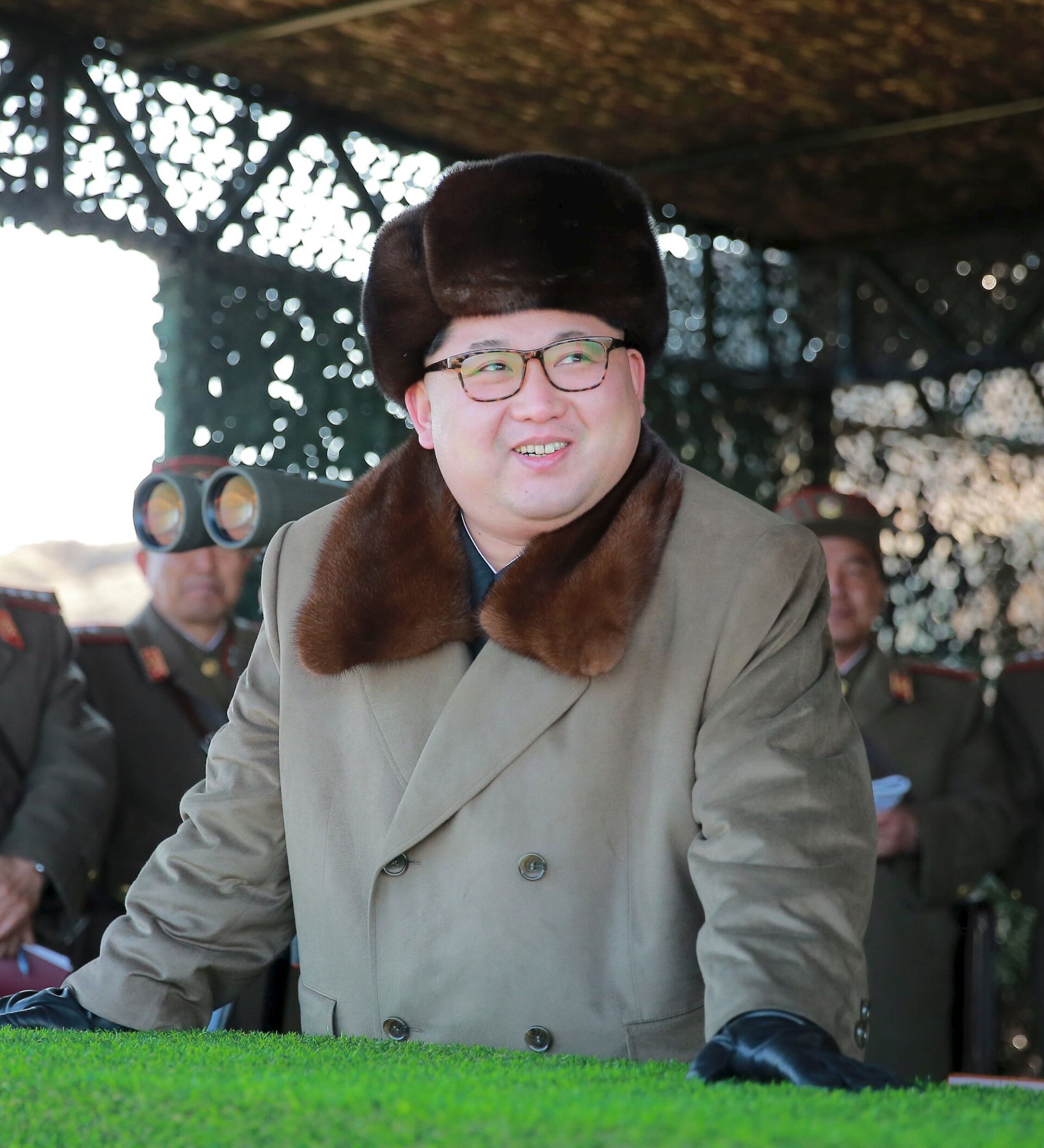
Several key events illustrate Kim Jong Un’s approach to governance and international relations:
- Singapore Summit (2018): The historic summit with President Trump was the first between a sitting U.S. president and a North Korean leader. While it marked a thaw in relations, it ultimately failed to achieve denuclearization.
- February 2019 Hanoi Summit: Another meeting with Trump ended without a deal, highlighting the challenges of negotiations and the complexities of Kim’s nuclear ambitions.
- 2020 COVID-19 Response: North Korea claimed to have effectively closed its borders to prevent the spread of COVID-19, a move that further isolated the nation but also exacerbated existing economic challenges.
The Future of North Korea Under Kim Jong Un
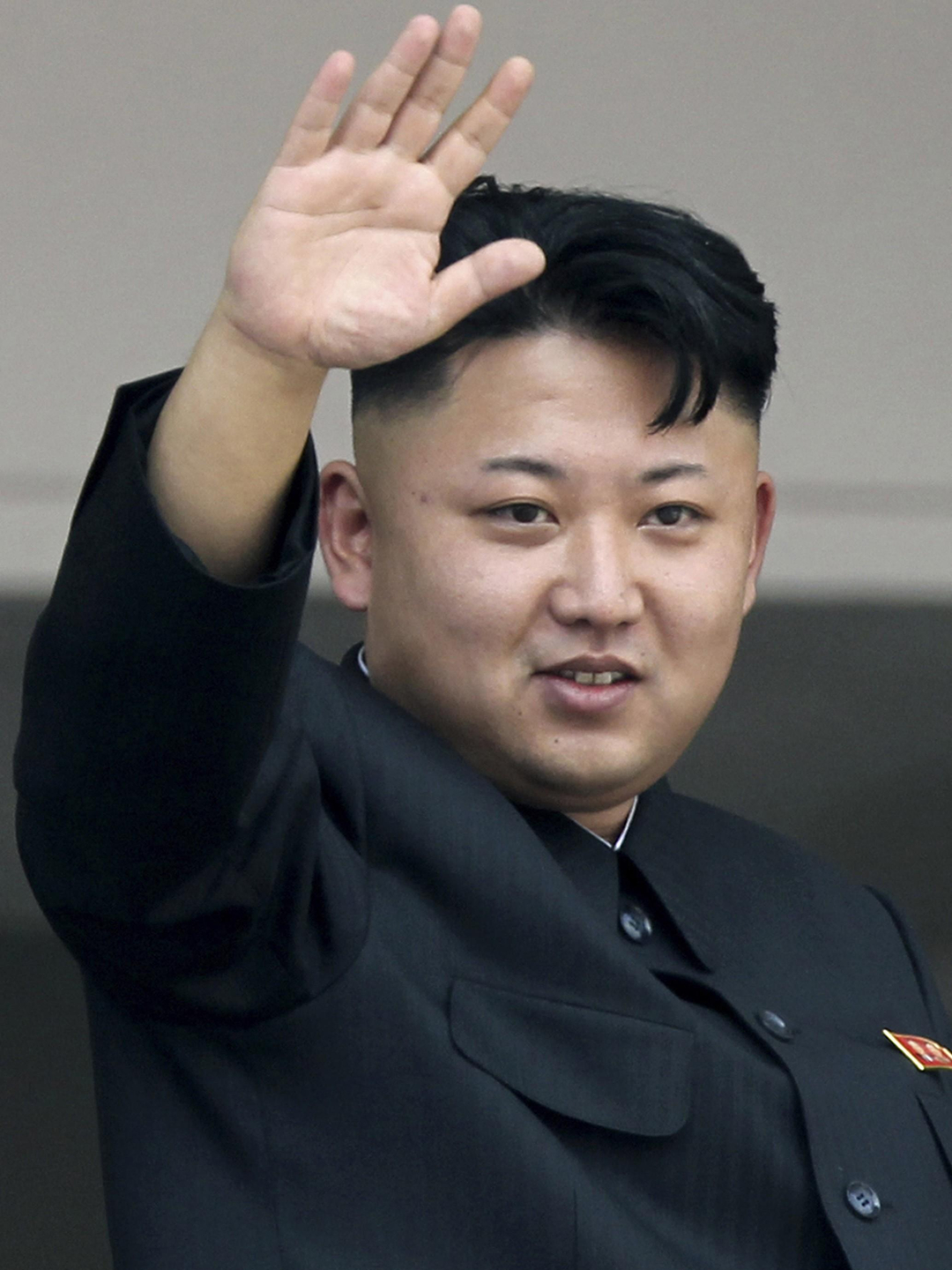
As Kim Jong Un continues to wield power, several scenarios could shape the future of North Korea:
- Continued Nuclear Development: If Kim persists in advancing his nuclear capabilities, tensions with the international community are likely to escalate, potentially leading to military confrontations.
- Economic Reforms: Should Kim opt for economic reform, it could alleviate some humanitarian crises, but such a shift would require significant changes to the regime’s core principles.
- Succession Planning: As Kim ages, considerations around succession will arise. The stability of the regime could depend on effective leadership transitions.
Kim Jong Un’s tenure as the youngest nuclear leader in history presents a unique blend of challenges and opportunities. His aggressive pursuit of nuclear capabilities has reshaped the geopolitical landscape, while the humanitarian crisis in North Korea underscores the regime’s prioritization of military might over the welfare of its citizens. The international community continues to grapple with how to engage with North Korea effectively, balancing the need for security with humanitarian considerations.
As we look to the future, the potential for conflict and the prospect of diplomatic breakthroughs remain at the forefront of global discussions. Understanding Kim Jong Un’s motivations, strategies, and the implications of his leadership will be crucial for navigating the complexities of North Korea and its role on the world stage.
:max_bytes(150000):strip_icc()/CristinaPortaLacasadelosfamosos-0d3f4936a56c41b5b80432f95a12f838.jpg "Cristina Porta: A Deep Dive into Her Age and Career Journey")