In an age dominated by fast-paced digital communication and superficial interactions, the importance of sentiment and emotional depth in storytelling has never been more crucial. Norwegian filmmaker Joachim Trier is one of the contemporary directors who has masterfully tapped into the emotional landscape of human experience, crafting narratives that resonate deeply with audiences. This article explores how Trier’s films encourage viewers to reconnect with their own sentiments and experiences, offering a compelling lens through which to examine our emotional lives.
The Power of Emotion in Film
Film has the unique ability to evoke emotions and provoke thought, creating a shared space where audiences can reflect on their own experiences. According to a study published in the journal Psychology of Aesthetics, Creativity, and the Arts, films that resonate emotionally with viewers can lead to greater empathy and understanding of oneself and others. Trier’s works are no exception; they address complex themes such as loss, love, existentialism, and the passage of time, inviting viewers to explore these sentiments within their own lives.
Joachim Trier: A Brief Overview
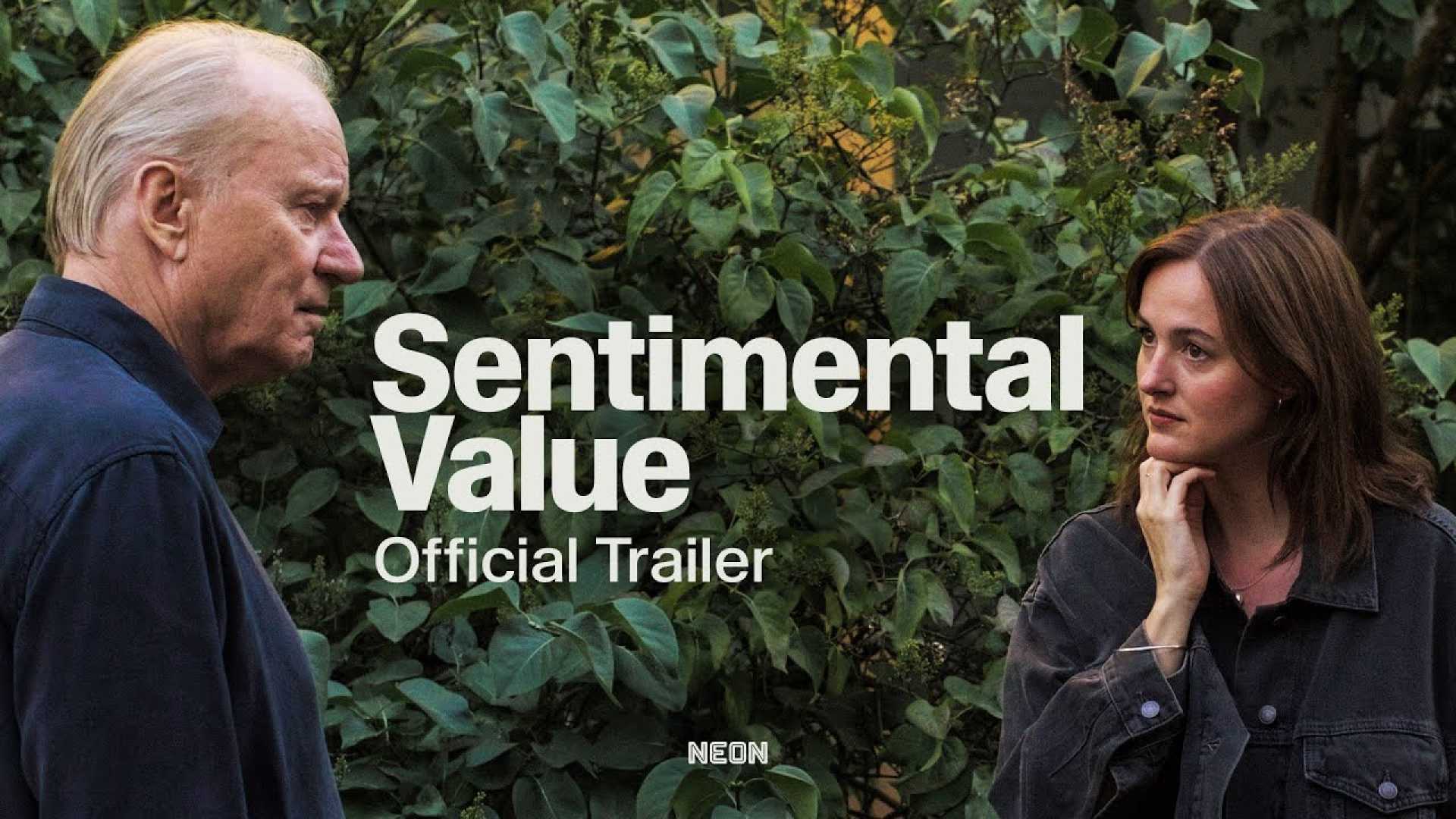
Born in Oslo, Norway, in 1974, Joachim Trier emerged on the international film scene with his debut feature, “Reprise” (2006), which garnered critical acclaim for its innovative storytelling and emotional depth. His subsequent films, including “Oslo, August 31st” (2011) and “The Worst Person in the World” (2021), have continued to explore the intricacies of human emotion, often drawing on autobiographical elements and personal experiences. Trier’s unique voice and perspectives have garnered numerous awards, establishing him as a key figure in modern cinema.
Connecting Through Relatable Narratives
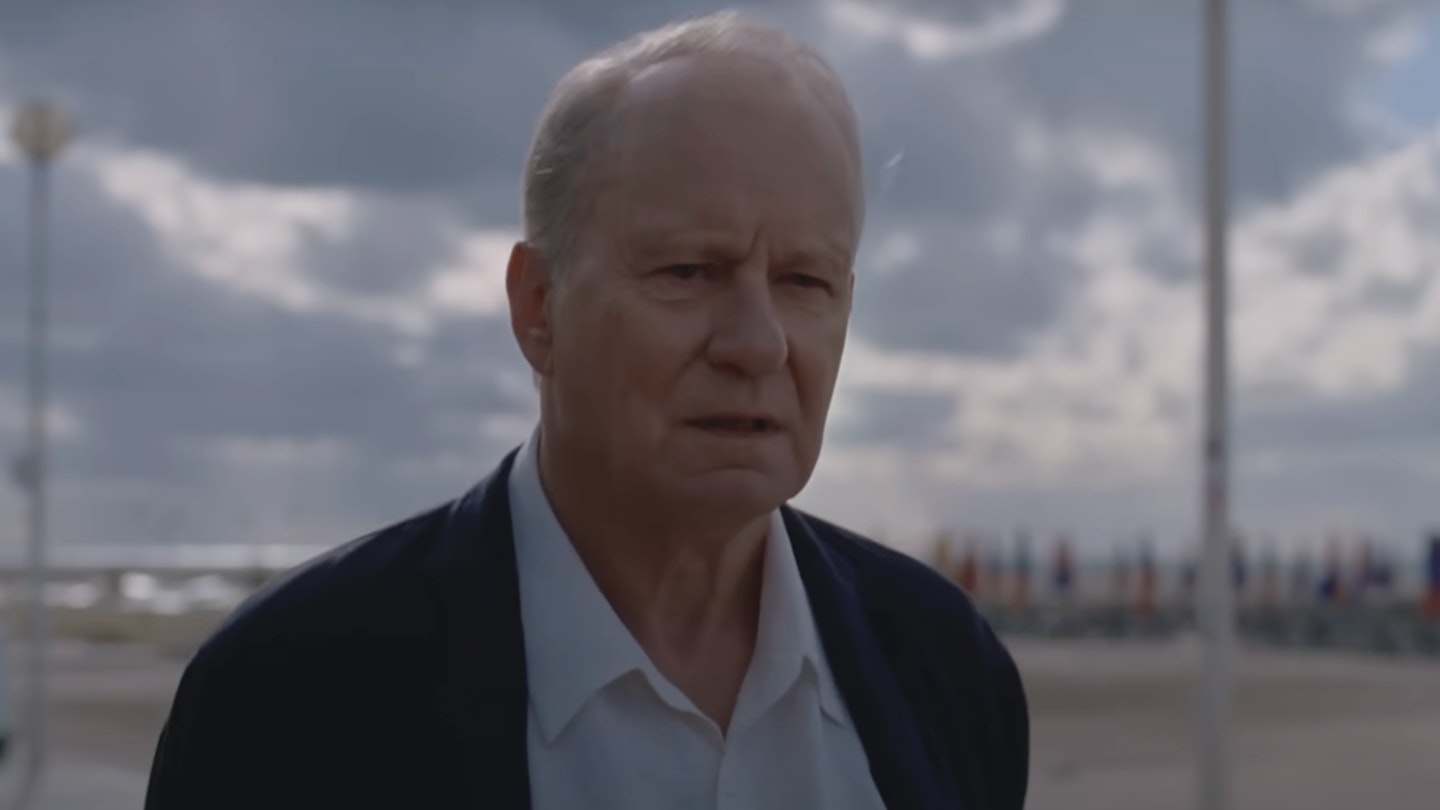
Trier’s films often center around relatable characters, each grappling with personal dilemmas that echo universal human experiences. By portraying the struggles of his characters with authenticity, Trier allows viewers to see their own lives reflected onscreen. This connection is vital for creating an emotional impact. A few notable examples include:
- Reprise: This film explores the lives of aspiring writers, capturing the highs and lows of ambition, friendship, and mental health.
- Oslo, August 31st: A poignant exploration of addiction and recovery, the film follows a man on a single day as he confronts his past and contemplates his future.
- The Worst Person in the World: This narrative delves into the complexities of love and identity, following a young woman as she navigates her thirties, relationships, and self-discovery.
The Role of Visual Storytelling

Trier employs a distinct visual style that enhances the emotional weight of his narratives. His use of cinematography, color palettes, and framing techniques draws viewers into the emotional core of the story. For instance, in “The Worst Person in the World,” the vibrant colors and dynamic camera movements reflect the protagonist’s chaotic emotional state. The visual elements serve to heighten the audience’s emotional engagement, making them feel the characters’ joys and sorrows more acutely.
The Importance of Authenticity
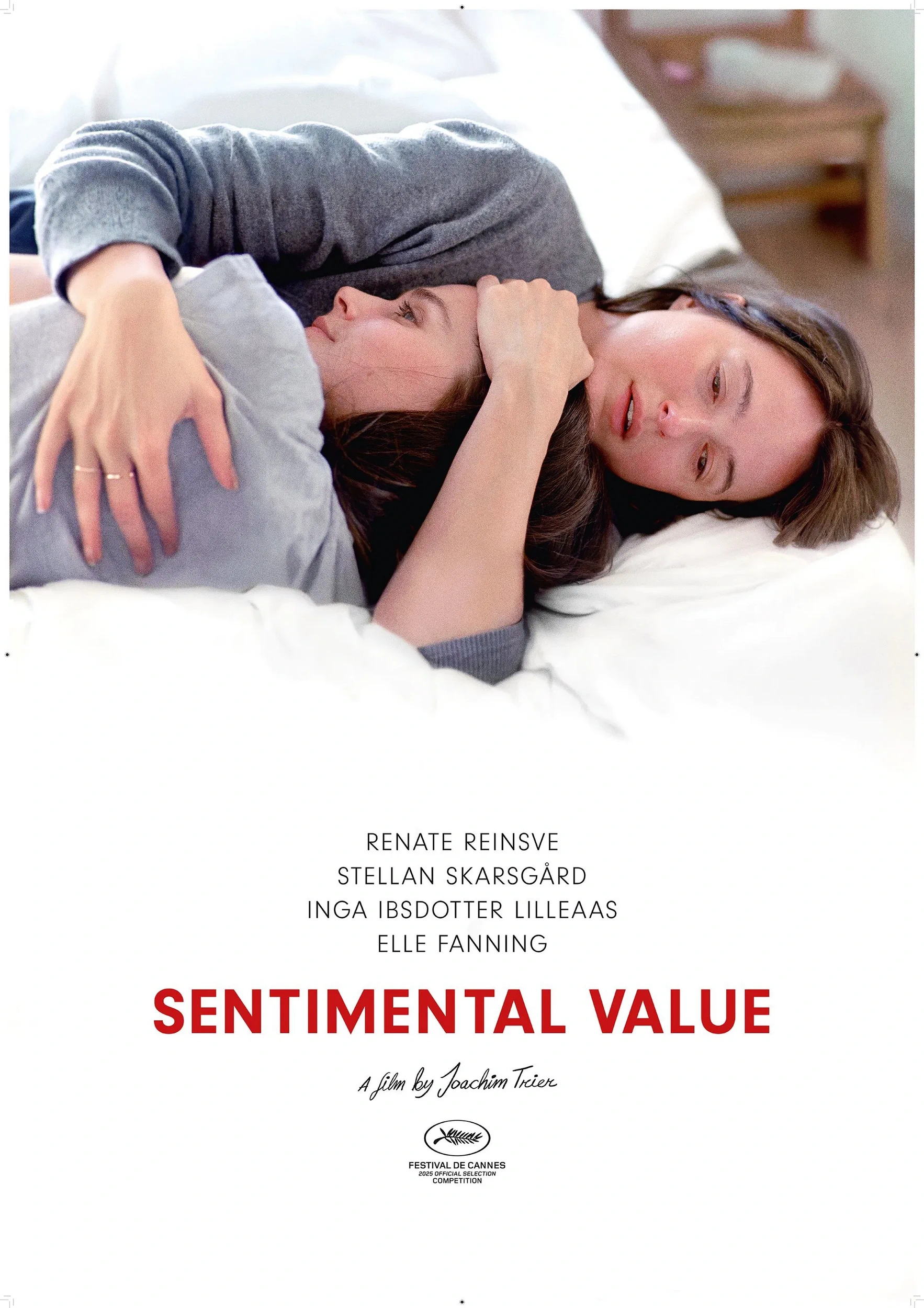
Authenticity is a cornerstone of Trier’s filmmaking. He often draws from personal experiences, infusing his narratives with a sense of honesty that resonates with viewers. This authenticity creates a bridge between the screen and the audience, allowing for a deeper exploration of shared human experiences. Trier himself has stated, “I think that the personal experience is universal, and I want to connect with that in my films.” This philosophy is evident in his characters’ struggles, which often mirror the complexities of real life.
Exploring Existential Themes
Existential themes are prevalent in Trier’s work, inviting viewers to confront profound questions about the meaning of life, love, and mortality. His characters often grapple with feelings of uncertainty and disillusionment, reflecting the struggles many face in the modern world. This connection to existential themes resonates particularly with younger audiences who are navigating their own identities and purpose in life. Trier’s ability to portray these themes with sensitivity and nuance encourages reflection and self-exploration.
Case Studies: Audience Reactions

To illustrate the impact of Trier’s films on audiences, we can examine a few case studies that highlight viewer testimonials and reactions. These examples demonstrate how his work has prompted personal reflection and emotional connection:
- Audience Engagement: Many viewers have expressed that “Oslo, August 31st” encouraged them to confront their own struggles with mental health, leading to open conversations about the subject.
- Empathy Development: Screenings of “The Worst Person in the World” have sparked discussions about the complexities of relationships, with audiences relating their experiences to those depicted in the film.
- Therapeutic Reflections: Viewers have noted that watching Trier’s films often leads to a cathartic experience, allowing them to process their feelings and emotions in a safe environment.
The Statistical Impact of Emotional Storytelling
Recent studies indicate a growing recognition of the importance of emotional storytelling in film. Research from the University of Southern California suggests that films that evoke strong emotional responses are more likely to leave a lasting impression on viewers. In fact, the study found that:
- Emotional films can increase viewer retention by up to 60% compared to neutral films.
- Audiences are more likely to discuss and recommend emotionally resonant films, leading to greater word-of-mouth promotion.
- Films that explore complex emotional themes often receive higher critical acclaim and audience ratings.
The Lasting Impact of Trier’s Work

Joachim Trier’s films serve as a powerful reminder of the importance of sentiment in storytelling. By connecting viewers to their own experiences, he fosters a deeper understanding of themselves and the world around them. Through relatable narratives, authentic characters, and a keen exploration of existential themes, Trier invites us to engage with our emotions and reflect on our lives. In a world that often prioritizes speed and efficiency, his work stands as a testament to the value of slowing down and embracing the complexities of the human experience.
Ultimately, the rediscovery of sentiment in film, as exemplified by Trier’s work, encourages us to reflect on our own narratives, fostering empathy, understanding, and a renewed appreciation for the emotional tapestry of life. As audiences continue to resonate with Trier’s films, the message is clear: our stories matter, and through them, we can find connection, healing, and hope.

 "Kira Miro’s Age: How It Influences Her Artistry and Public Image")