North Korea, officially known as the Democratic People’s Republic of Korea (DPRK), is often seen through the lens of its notorious leader, Kim Jong Un. While the world may focus on military parades and nuclear ambitions, an equally intriguing aspect of the regime is its financial empire. This article aims to delve into the complexities of Kim Jong Un’s financial infrastructure, exploring how he maintains power, the sources of his wealth, and the implications for both North Korea and the international community.
The Kim Family Legacy: A Brief Historical Context
Understanding Kim Jong Un’s financial empire requires a historical perspective on the ruling Kim family. Following the Korean War, Kim Il Sung established a regime that emphasized state control over all economic activities. His son, Kim Jong Il, continued this trend, leading to a tightly controlled economy characterized by a lack of transparency.
- Kim Il Sung (1948-1994): Established a centralized economy and cult of personality.
- Kim Jong Il (1994-2011): Maintained the regime’s grip on power through military-first policies and illicit activities.
- Kim Jong Un (2011-Present): A mix of traditional policies with a modern twist, including some market liberalization.
Sources of Wealth: The Financial Landscape of North Korea
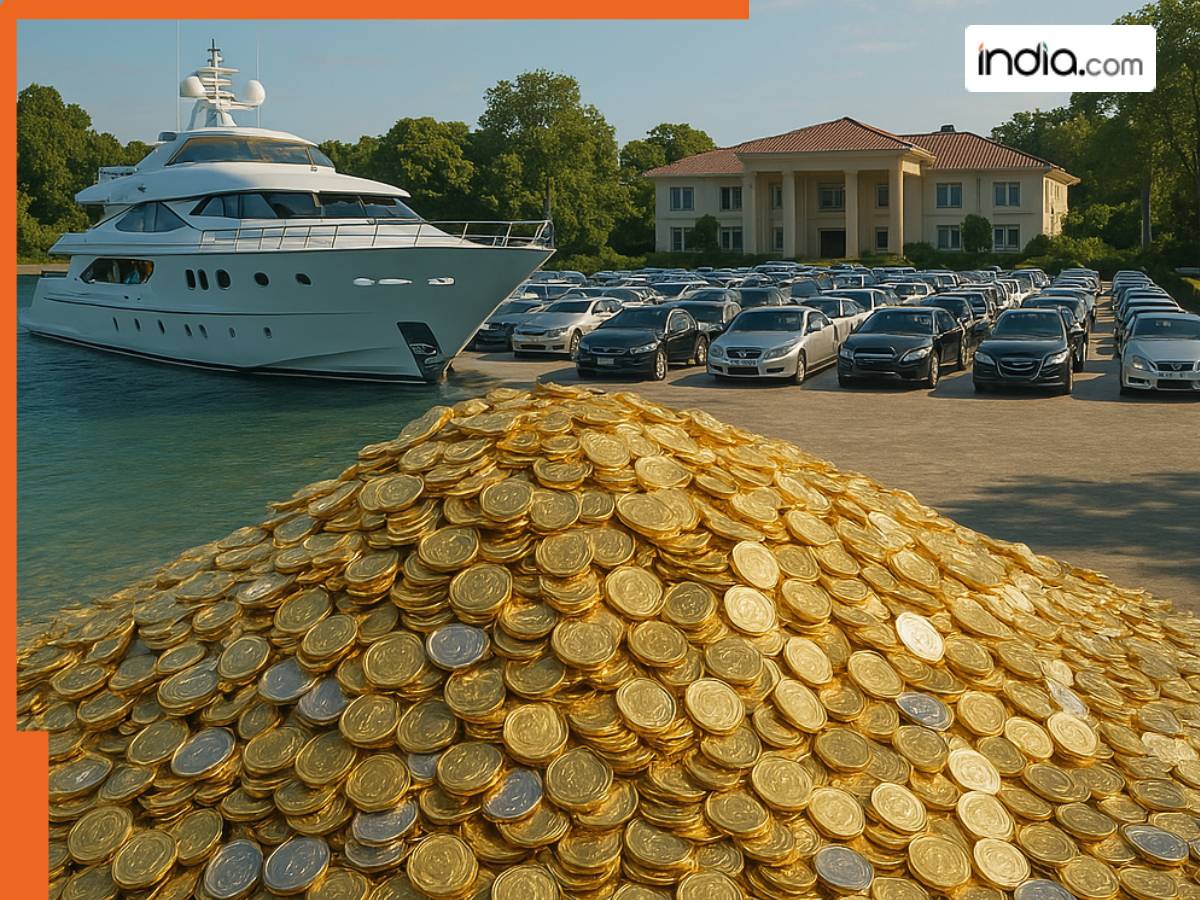
Estimating Kim Jong Un’s wealth is challenging due to the opaque nature of the North Korean economy. However, a few key sources have emerged that provide insight into the regime’s financial structure.
1. Illicit Activities
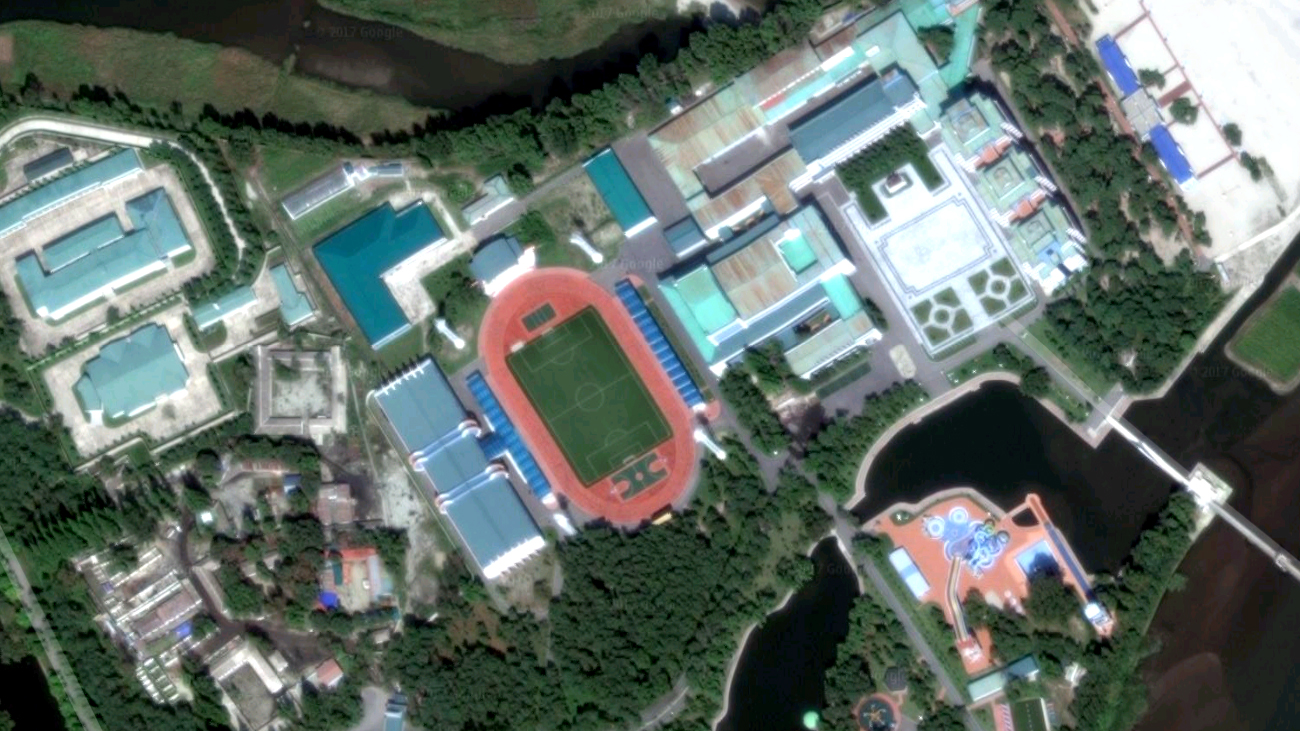
One of the most significant means of revenue for Kim Jong Un’s regime comes from illicit activities, which include:
- Drug Trafficking: North Korea is known for producing and exporting methamphetamines and opiates.
- Counterfeiting: The country is infamous for producing counterfeit U.S. dollars and other currencies.
- Cybercrime: Attacks on financial institutions and cryptocurrency thefts have become lucrative.
- Arms Sales: North Korea has a history of selling weapons to rogue states and militant groups.
2. State-Controlled Enterprises
North Korea’s economy heavily relies on state-owned enterprises (SOEs). Key sectors include:
- Mining: North Korea possesses significant mineral resources, including coal, iron ore, and rare earth elements.
- Agriculture: Despite agricultural challenges, state-run farms contribute to the economy.
- Manufacturing: Industries such as textiles and machinery are overseen by the state.
3. Foreign Trade and Economic Partnerships
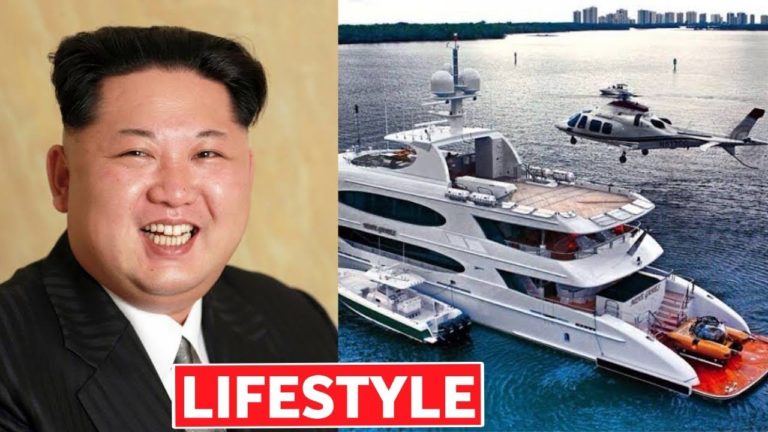
Despite sanctions, North Korea engages in foreign trade, primarily with China, which accounts for a significant portion of its trade volume. Key points include:
- China’s Role: Approximately 90% of North Korea’s trade is with China, making it a crucial economic partner.
- Smuggling Operations: Cross-border trade often circumvents international sanctions.
- Joint Ventures: North Korea has attempted to establish joint ventures with foreign investors, though these are limited by sanctions.
The Role of Kim Jong Un: Leadership and Financial Control
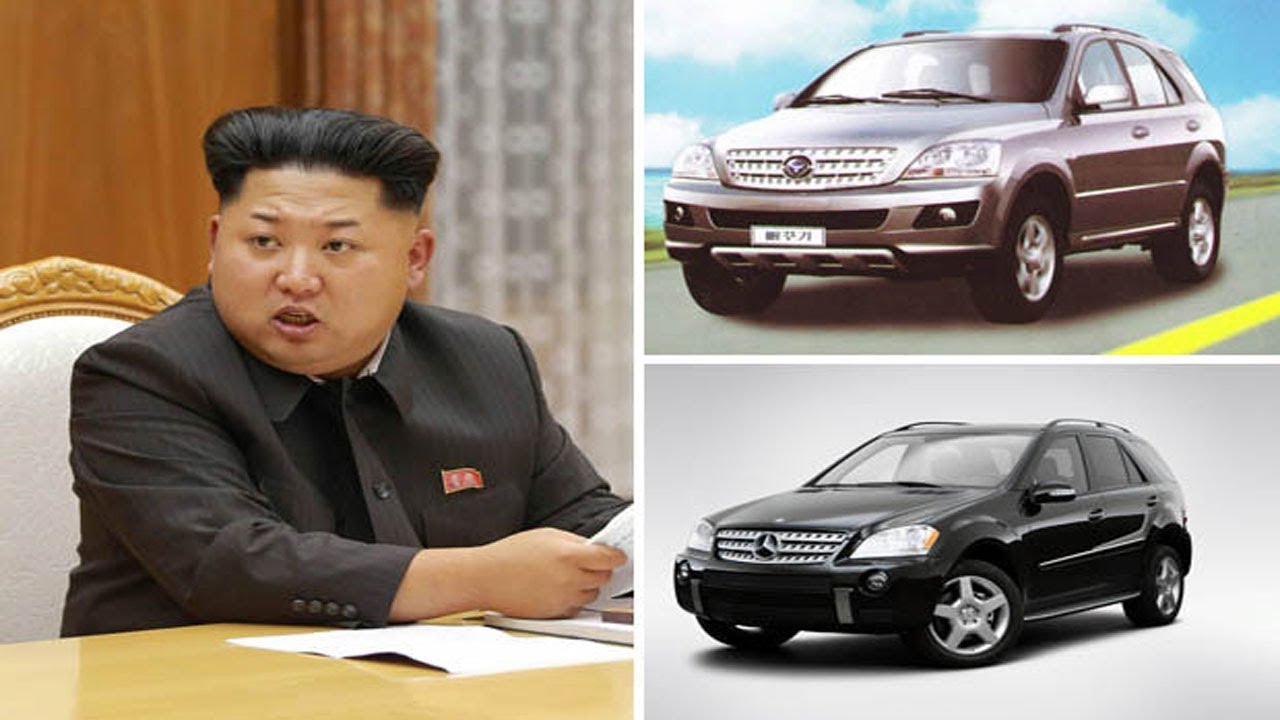
Kim Jong Un’s leadership style has contributed to both the stability and the volatility of his financial empire. His approach can be summarized as follows:
- Centralization of Power: Kim has consolidated power by sidelining potential rivals and reinforcing loyalty through economic incentives.
- Market Reforms: Since assuming power, he has allowed limited market reforms, encouraging private enterprise to some extent.
- Military-First Policy: Resources are often directed toward military spending, emphasizing the regime’s priorities.
Case Study: The Development of Wonsan-Kalma Coastal Tourist Area
A notable example of Kim Jong Un’s economic strategy is the Wonsan-Kalma Coastal Tourist Area. This project reflects his vision of modernizing North Korea while attracting foreign investment.
- Objectives: The project aims to boost tourism and generate foreign currency.
- Investment: China has shown interest in investing in this area, showcasing the potential for economic partnerships.
- Challenges: Ongoing sanctions and international isolation pose significant risks to the project’s success.
Impact of Sanctions: A Double-Edged Sword
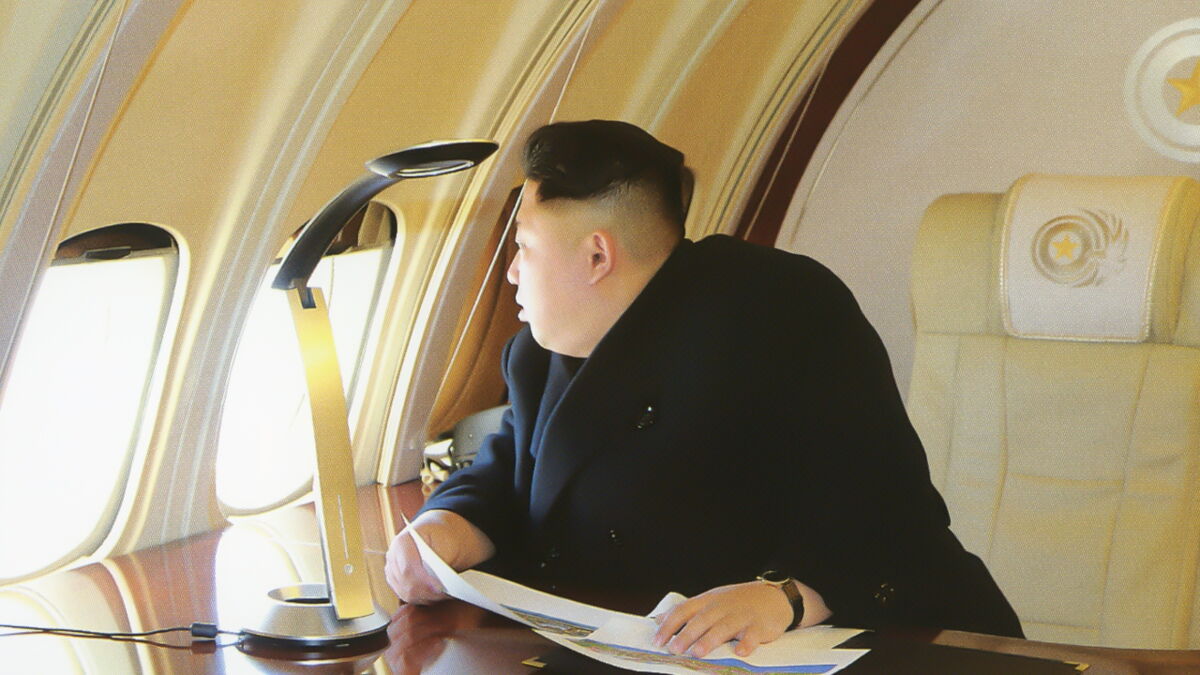
International sanctions have severely impacted North Korea’s economy. While intended to weaken Kim Jong Un’s regime, they have also had unintended consequences:
- Economic Isolation: Sanctions have led to increased poverty and food insecurity among the population.
- Innovation in Illicit Activities: The regime has adapted by expanding its involvement in illegal activities.
- Strengthening of Internal Control: The regime uses sanctions as a tool to bolster nationalism and control dissent.
The Future of Kim Jong Un’s Financial Empire
Predicting the future of Kim Jong Un’s financial empire is complex, given the interplay of internal and external factors. However, several trends can be identified:
- Increased Military Spending: As long as the regime prioritizes military development, financial resources will be diverted from essential services.
- Continued Isolation: With ongoing sanctions, North Korea may rely more heavily on illicit activities and smaller-scale trade.
- Pursuit of Economic Partnerships: The regime may continue to seek partnerships, particularly with China, to alleviate economic pressures.
Understanding the Impacts of Kim Jong Un’s Financial Empire
Kim Jong Un’s financial empire is a complex web of state control, illicit activities, and limited market reforms. While the regime has found ways to maintain its financial stability amid global sanctions, the implications for the North Korean population and international relations remain significant. Understanding this financial landscape helps illuminate the challenges faced by the regime and the broader geopolitical context in which it operates. The future of Kim Jong Un’s financial empire will likely depend on his ability to navigate these challenges while maintaining control over his increasingly isolated nation.