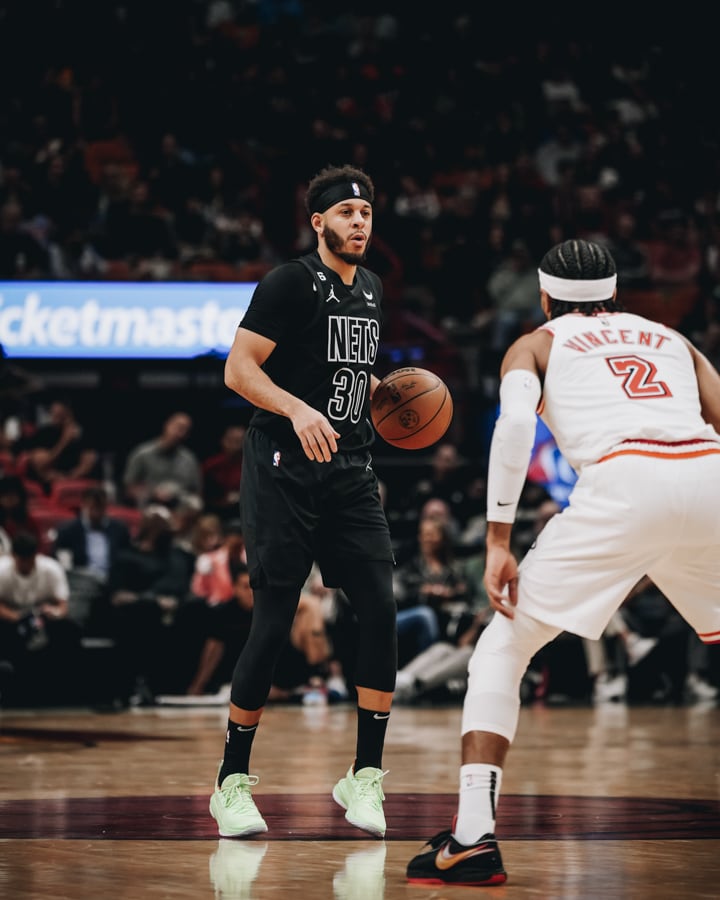
In the world of sports, injuries are an inevitable reality, and understanding the underlying causes of these injuries can provide valuable insights for athletes, coaches, and fans alike. One such case that has drawn attention is that of Kevin McGonigle, a promising athlete whose recent injury has raised questions about the factors that led to it. This article delves deep into the causes of McGonigle’s injury, exploring the physical, environmental, and psychological aspects that may have contributed to the incident.
The Background: Who is Kevin McGonigle?

Before we analyze the specifics of McGonigle’s injury, it’s essential to understand who he is. Kevin McGonigle is an emerging talent in the world of sports, known for his exceptional skills and dedication. As a young athlete with aspirations of a professional career, McGonigle has been under the spotlight, facing the dual pressures of performance and expectations.
The Nature of the Injury

McGonigle’s injury, described as a significant setback, occurred during a high-stakes game. While the exact details may vary, injuries in sports often encompass a range of possibilities, including:
- Muscle Strains: Common in high-intensity sports, these occur when muscles are overstretched or torn.
- Ligament Tears: Injuries to ligaments, such as ACL tears, are prevalent in sports that require sudden stops and changes in direction.
- Fractures: Bone fractures can occur due to impact or stress, leading to extended recovery times.
Understanding the type of injury McGonigle sustained is crucial in analyzing its causes and implications for his future career.
Physical Factors Contributing to the Injury

Injuries like McGonigle’s are often the result of various physical factors, including:
- Overtraining: A common issue among athletes, overtraining can lead to fatigue and increased susceptibility to injuries.
- Inadequate Conditioning: Insufficient physical preparation can leave athletes vulnerable to injuries, especially in high-pressure situations.
- Biomechanical Issues: Poor mechanics or abnormal movement patterns can contribute to injuries, particularly in sports requiring agility and speed.
For McGonigle, any of these physical factors could have played a role in his injury, especially considering the rigorous training and competition schedules athletes typically follow.
Environmental Influences

The environment in which an athlete trains and competes significantly impacts their risk of injury. Key environmental factors may include:
- Playing Surface: The type of surface—grass, turf, or hardwood—can affect injury rates. For instance, artificial turf has been linked to a higher incidence of certain injuries.
- Weather Conditions: Extreme temperatures or wet conditions can impact performance and increase the likelihood of injuries.
- Equipment: Improper or poorly fitting equipment, such as shoes, can lead to injuries by failing to provide adequate support or traction.
For athletes like McGonigle, competing in varying conditions and on different surfaces can influence their injury risk, making it essential to consider these factors when analyzing the cause of their injuries.
Psychological Factors at Play
The mental aspect of sports can often be overlooked, yet it plays a critical role in an athlete’s performance and injury risk. Psychological factors that may have influenced McGonigle’s injury include:
- Performance Anxiety: The pressure to perform can lead to stress and distraction, which may increase the likelihood of making mistakes that result in injury.
- Focus and Concentration: Mental lapses or distractions during critical moments can contribute to accidents and injuries.
- Fatigue and Burnout: Emotional fatigue can affect an athlete’s physical performance, leading to a higher risk of injury.
By understanding these psychological components, coaches can better support athletes like McGonigle in managing stress and maintaining focus during competitions.
Case Studies: Similar Injuries in the Sports World

Analyzing similar cases can provide further insight into McGonigle’s injury. Notable examples include:
- Kevin Durant’s Achilles Injury: Durant’s injury during the 2019 NBA Finals was partly attributed to overtraining and the demands of high-stakes play.
- Tom Brady’s ACL Tear: Brady’s injury in 2008 highlighted the risks of playing on less-than-ideal surfaces and the importance of maintaining proper conditioning.
- Eli Manning’s Ankle Injury: Manning’s injury serves as a reminder of the psychological pressures athletes face, which can lead to critical errors in judgment.
These cases illustrate that injuries are often multi-faceted, involving a combination of physical, environmental, and psychological factors.
Preventive Measures and Future Considerations

In light of McGonigle’s injury, it is essential to consider preventive measures that can help reduce the risk of similar incidents in the future:
- Proper Training Regimen: Implementing a balanced training program that includes strength, flexibility, and endurance training can help prevent injuries.
- Monitoring Physical Condition: Regular assessments of an athlete’s physical state can identify issues before they lead to injury.
- Psychological Support: Providing mental health resources can help athletes manage stress and anxiety, ultimately reducing injury risk.
By taking a comprehensive approach to injury prevention, athletes like McGonigle can enhance their performance and longevity in their respective sports.
Kevin McGonigle’s injury serves as a poignant reminder of the complexities surrounding sports injuries. By analyzing the various physical, environmental, and psychological factors that contributed to his injury, we gain valuable insights into how to better support athletes in their endeavors. The importance of a well-rounded training regimen, awareness of environmental conditions, and mental health support cannot be overstated. As we continue to learn from injuries in sports, we can work toward creating safer and more effective environments for athletes to thrive.
Ultimately, understanding the causes of injuries like McGonigle’s not only helps in preventing future occurrences but also enriches the dialogue on athlete health and well-being in competitive sports.