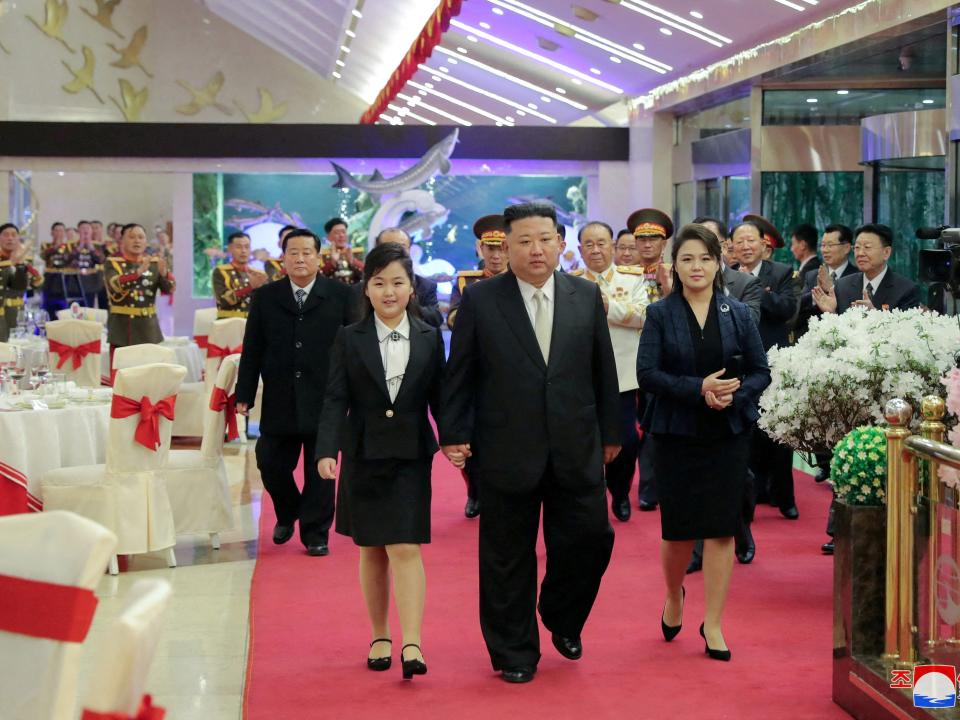
As North Korea continues to navigate an uncertain geopolitical landscape, the question of succession and the future leadership of the country comes to the forefront. The children of Kim Jong Un, the current Supreme Leader, have become focal points in discussions about the future of the Kim dynasty and the direction North Korea may take in the coming years. This article explores the implications of Kim Jong Un’s children on North Korea’s future, their potential roles in governance, and the broader context of North Korean politics.
The Kim Family Legacy
To understand the potential influence of Kim Jong Un’s children, it’s essential to grasp the historical context of the Kim family dynasty. Since the establishment of the Democratic People’s Republic of Korea (DPRK) in 1948, the nation has been ruled by three generations of Kims—Kim Il-sung, Kim Jong-il, and now Kim Jong Un. Each leader has had a profound impact on the country’s policies, international relations, and internal governance.
Kim Jong Un ascended to power in 2011 following his father’s death and has since consolidated power while facing significant challenges, including economic sanctions and diplomatic isolation. His children, particularly his daughter, Ju-ae, have started to take on visible roles, signaling that the next generation may be preparing for leadership.
The Next Generation: Who Are Kim Jong Un’s Children?

Kim Jong Un has three children with his wife, Ri Sol-ju, though little is publicly known about them. The most prominent among them is Kim Ju-ae, who has recently appeared in state media alongside her father. Here’s a brief overview of Kim Jong Un’s children:
- Kim Ju-ae: Born in 2012, she is the eldest child and has been introduced to the public in various settings, suggesting she may take on a significant role in the future.
- Kim Joon: The second child, born in 2015, remains largely out of the public eye.
- Kim Joo-il: The youngest child, born in 2017, is still very young and unlikely to be involved in politics at this stage.
The Implications of Kim Ju-ae’s Public Appearances
:max_bytes(150000):strip_icc():focal(999x0:1001x2)/kim-jong-un-wife-87cd50fe615649868af8c89e5e2b3597.jpg)
Kim Ju-ae’s public appearances have sparked speculation about her potential role in the regime’s future. Analysts have noted that her involvement in state functions, such as military events and celebrations, could indicate a grooming for leadership. Here are some potential implications:
- Symbol of Continuity: By presenting Ju-ae to the public, Kim Jong Un may be signaling continuity of the Kim dynasty, reassuring both the domestic audience and international observers that the regime remains stable.
- Political Legitimization: Ju-ae’s role could serve to legitimize the regime among younger North Koreans who may resonate with a new, youthful figure in leadership.
- Soft Power Strategy: Showing a personal side of leadership through his daughter may be a strategy to soften the image of the regime, especially given the increasing international scrutiny.
Potential Challenges: Succession in a Volatile Environment
While the prospect of Kim Ju-ae stepping into a leadership role seems plausible, there are considerable challenges that could hinder a smooth transition:
- Internal Rivalries: The North Korean elite may have differing opinions on the rightful successor, leading to potential power struggles within the ruling party.
- Public Sentiment: The public’s perception of a young leader, particularly a female one, could be mixed. Traditional views may lead to skepticism about her capabilities.
- International Relations: The geopolitical landscape is fraught with tensions, particularly with the United States and South Korea. A new, inexperienced leader may struggle to navigate these complexities.
The Role of Education and Western Influence
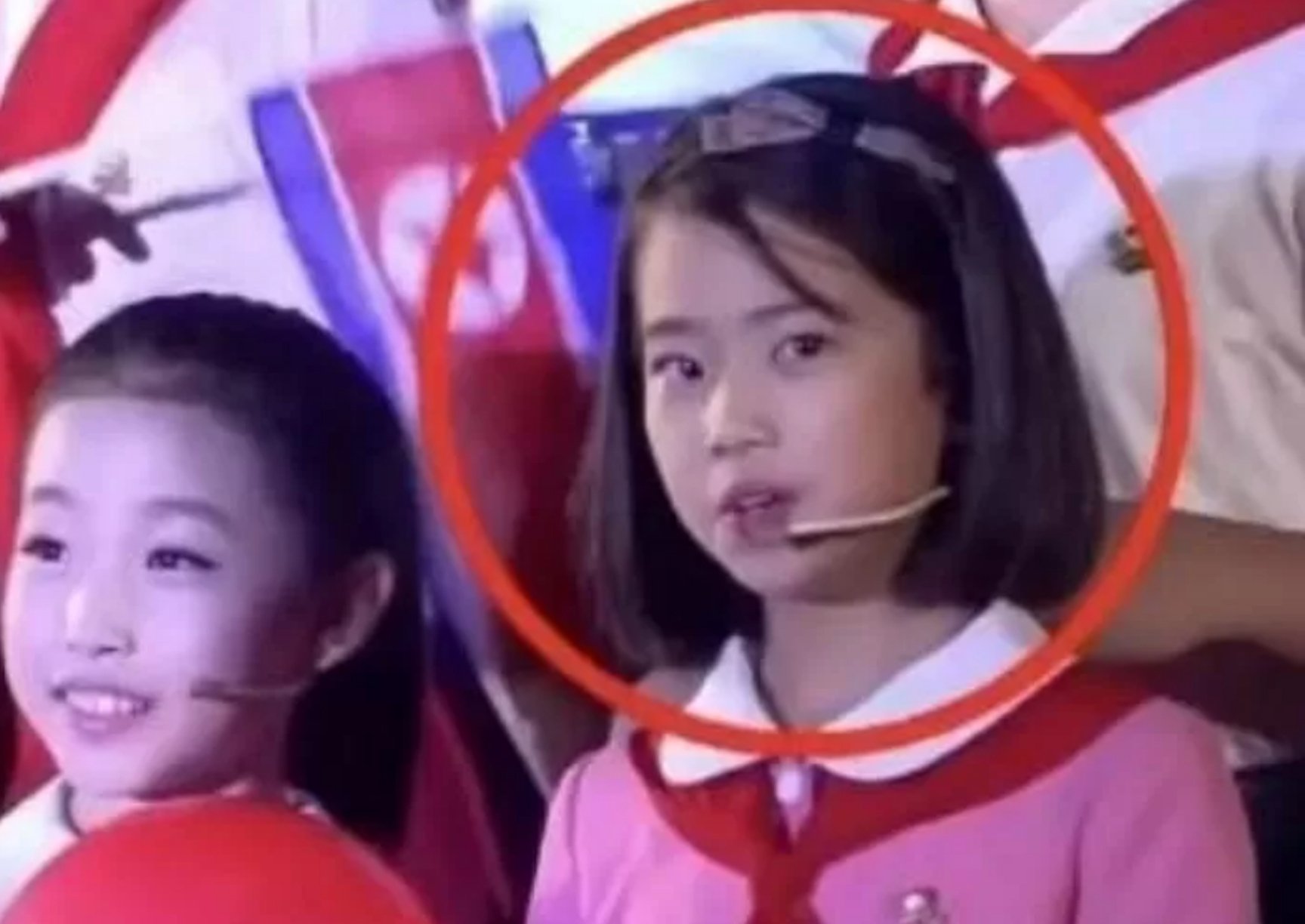
Education plays a crucial role in shaping the next generation of leaders. Kim Jong Un’s children have been reported to attend schools abroad, exposing them to different ideologies and systems.
For example, Kim Jong Un himself was educated in Switzerland, which has arguably influenced his worldview. This exposure may shape Ju-ae and her siblings’ perspectives, creating a potential divide between their upbringing and the traditional North Korean ideology.
As North Korea faces increasing globalization, the influence of Western education and culture could lead to a more reformist approach among the younger generation, should they ascend to leadership. However, the regime is known for its strict adherence to Juche (self-reliance), which could counteract more liberal ideas.
Case Studies: Historical Precedents of Succession in Authoritarian Regimes
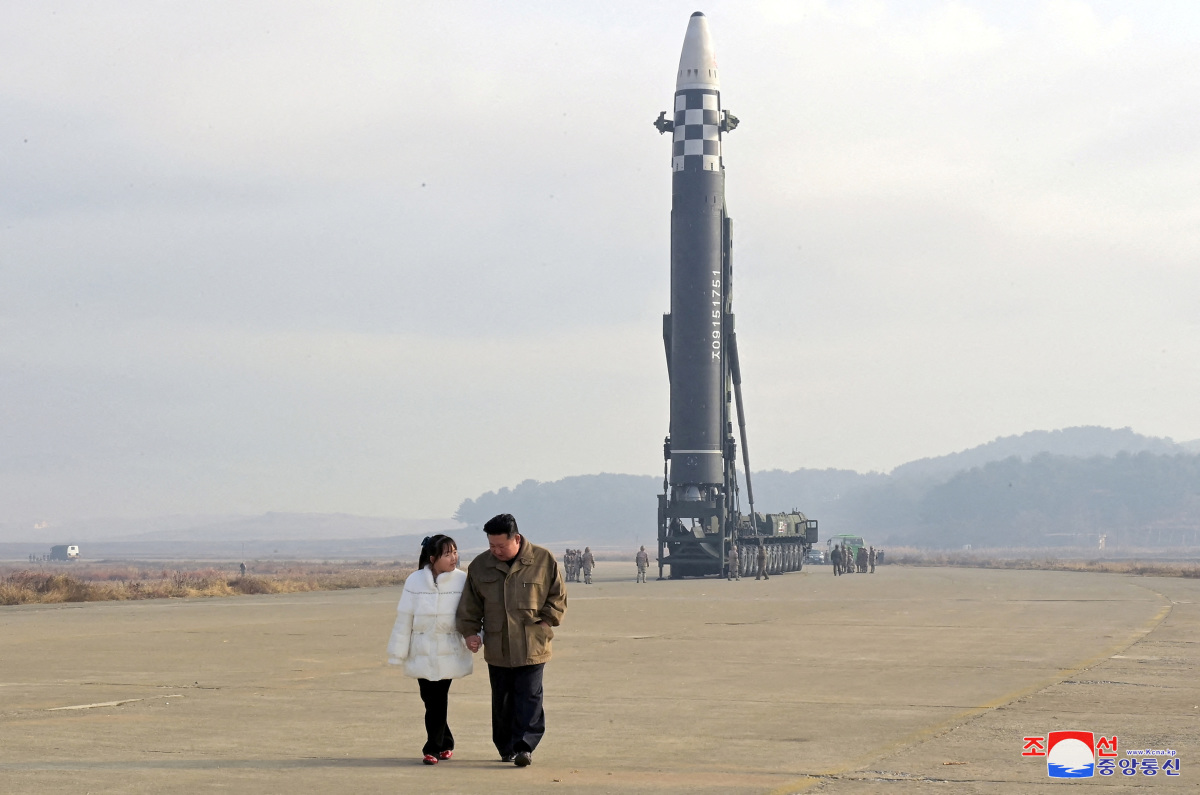
To better understand the potential future roles of Kim Jong Un’s children, it’s insightful to examine historical precedents in other authoritarian regimes. Notable examples include:
- China: The transition from Deng Xiaoping to Jiang Zemin illustrates how leadership can shift within a ruling party, leading to significant economic reforms.
- North Korea’s Own History: Kim Jong Il’s rise to power after Kim Il-sung’s death was marked by careful positioning and consolidation of power, which could provide a blueprint for Ju-ae.
- Cuba: Fidel Castro’s brother, Raul Castro, took over after Fidel’s retirement, showcasing the potential for familial continuity in leadership.
The Future of North Korea: Scenarios and Predictions

Given the complexities surrounding Kim Jong Un’s children, several scenarios could unfold for North Korea’s future:
- Gradual Transition of Power: Kim Jong Un may begin to delegate responsibilities to his children, allowing them to gain experience while he remains the figurehead.
- Power Struggle: In the absence of a clear successor, factions within the party may vie for control, leading to instability.
- Reformist Leadership: If Ju-ae or another sibling embraces more progressive ideas, it could herald a new era for North Korea, potentially improving relations with the outside world.
The future of North Korea is intricately linked to the next generation of the Kim family, particularly Kim Jong Un’s children. As Kim Ju-ae begins to take on a visible role, the potential for leadership change brings both opportunities and challenges. The legacy of the Kim dynasty, the influence of education, and historical precedents all play vital roles in shaping what lies ahead for North Korea.
While the road to succession may be fraught with uncertainty, the actions and decisions made today will undoubtedly impact the future trajectory of the DPRK. Understanding the dynamics at play will be crucial for analysts, policymakers, and the international community as they navigate the complexities of one of the world’s most enigmatic regimes.