Kim Jong Un, the Supreme Leader of North Korea, has been a figure of intrigue and speculation since he took power in 2011. As the third generation of the Kim dynasty, his leadership style and personal history offer insights into one of the world’s most secretive regimes. This article will explore Kim Jong Un’s age, his early life, ascent to power, leadership style, and the impact of his rule on North Korea and the world.
Understanding Kim Jong Un’s Age

As of October 2023, Kim Jong Un is 40 years old. He was born on January 8, 1984, although the exact date has sometimes been a subject of debate. His age places him at a unique position in the global landscape, leading a nation that is often juxtaposed against world powers and grappling with internal challenges.
Early Life: The Making of a Leader

Kim Jong Un was born in Pyongyang, North Korea, to Kim Jong Il and his consort Ko Yong-hui. His upbringing was marked by privilege, being part of the ruling family. Here are some key elements that shaped his early life:
- Education: Kim Jong Un spent part of his childhood in Switzerland, where he attended an international school. This exposure to the West provided him with a unique perspective, although he later returned to North Korea for a more traditional education.
- Family Legacy: His father, Kim Jong Il, was the Supreme Leader before him, and his grandfather, Kim Il Sung, founded North Korea. This familial legacy heavily influenced his rise to power.
- Public Persona: Initially portrayed as a more moderate leader, Kim was often depicted in state media as a young reformer, which was part of a strategic effort to appeal to both the domestic audience and the international community.
Ascent to Power
Kim Jong Un’s rise to power was marked by both strategic maneuvering and significant political shifts within the country. Following his father’s death in December 2011, he was quickly positioned as the successor. Key events during his ascent include:
- Consolidation of Power: Kim Jong Un moved swiftly to eliminate potential rivals, including his uncle Jang Song-thaek, who was executed in 2013.
- Military Focus: He placed a strong emphasis on military development, including the advancement of North Korea’s nuclear capabilities, which became a cornerstone of his leadership.
- International Engagement: In 2018, Kim made headlines by engaging in high-profile summits with South Korean President Moon Jae-in and then-U.S. President Donald Trump, which marked a significant diplomatic shift for North Korea.
Leadership Style: A Complex Persona
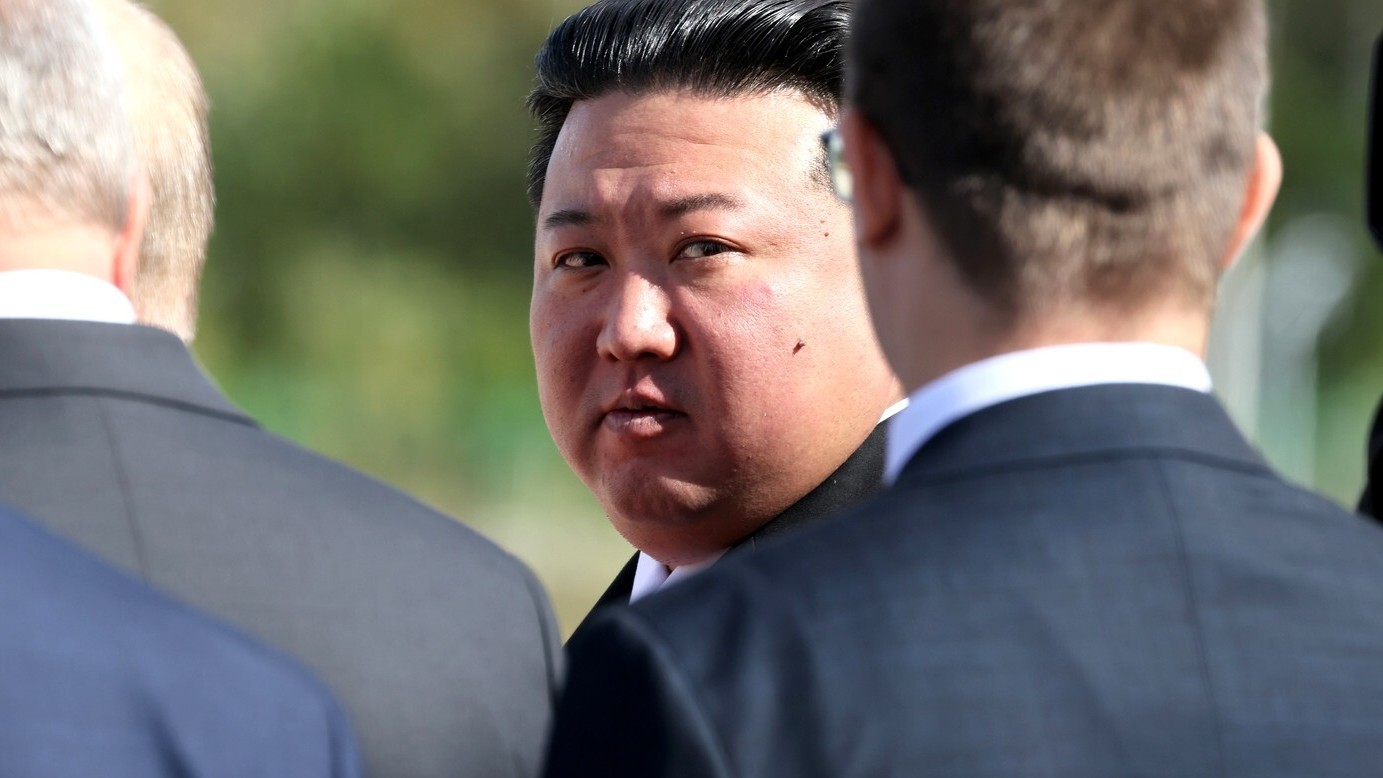
Kim Jong Un’s leadership style is often characterized by a blend of authoritarianism and strategic flexibility. Some key aspects include:
- Authoritarian Control: Kim maintains tight control over the political landscape, suppressing dissent and maintaining a strong military presence.
- Economic Reforms: Despite his authoritarian nature, there have been limited economic reforms aimed at improving the standard of living in North Korea, such as allowing some market activities to stimulate the economy.
- Propaganda and Image Management: The regime invests heavily in propaganda, portraying Kim as a strong, charismatic leader to maintain public support.
The North Korean Economy Under Kim Jong Un
Under Kim’s leadership, the North Korean economy has faced numerous challenges, including international sanctions and natural disasters. However, there have also been efforts to modernize and reform the economy:
- Sanctions Impact: International sanctions, primarily due to nuclear weapons development, have severely impacted the economy, leading to food shortages and economic hardship.
- Market Reforms: In recent years, Kim has allowed some market-oriented reforms, which have led to a burgeoning informal economy.
- Self-Reliance Policy: The regime has promoted a “Byungjin” policy, focusing on parallel development of the economy and nuclear capabilities.
Kim Jong Un’s Nuclear Ambitions

One of the hallmark features of Kim Jong Un’s leadership has been his aggressive pursuit of nuclear weapons. This approach has significant implications for regional and global security:
- Testing and Development: North Korea conducted several nuclear tests and missile launches under Kim’s regime, asserting its status as a nuclear power.
- International Relations: His nuclear ambitions have led to heightened tensions with the United States, South Korea, and other nations, complicating diplomatic relations.
- Deterrence Strategy: Kim views nuclear weapons as a vital deterrent against perceived external threats, particularly from the U.S. and South Korea.
Public Image and Propaganda

Kim Jong Un’s image is carefully crafted through state propaganda, which plays a pivotal role in reinforcing his authority and ideology:
- Cult of Personality: Similar to his predecessors, Kim has cultivated a cult of personality, portraying himself as a leader who is both benevolent and strong.
- Media Control: The regime controls all media outlets, ensuring that only favorable narratives about Kim and the state are disseminated.
- Public Events: High-profile public appearances, military parades, and social events are used to project strength and unity.
Challenges Ahead: The Future of North Korea
The future of North Korea under Kim Jong Un remains uncertain, with numerous challenges on the horizon:
- Economic Strain: Continued sanctions and economic mismanagement could exacerbate food shortages and lead to civil unrest.
- International Isolation: Kim’s aggressive military posture may result in further isolation from the international community.
- Leadership Transition: Speculation about Kim’s health and potential successors raises questions about stability within the regime.
Kim Jong Un, at 40 years old, stands as a complex and polarizing figure in contemporary geopolitics. His leadership has been marked by a blend of authoritarian control, strategic flexibility, and an aggressive pursuit of nuclear capabilities. As North Korea navigates the challenges of sanctions, economic hardship, and international relations, the implications of Kim’s leadership will resonate far beyond its borders. Understanding his rise to power, leadership style, and the ongoing dynamics within North Korea provides valuable insights into the potential future of the regime and its role on the world stage.