The FA Cup, the oldest football competition in the world, has a storied history that dates back to 1871. Each year, it brings together teams from various leagues, creating a unique tapestry of competition and camaraderie in English football. This article explores the significance of the FA Cup final, the journey to the final showdown, and the historical context that shapes this iconic event.
The Significance of the FA Cup Final
The FA Cup final is not merely a match; it is a celebration of football, culture, and community. It represents the pinnacle of the cup competition, where dreams are realized and legends are born. The final often sees a clash between teams from different divisions, illustrating the beautiful unpredictability of knockout football.
Tradition and Prestige
The FA Cup final has been held at Wembley Stadium since 1923, except for a few occasions. It is a day marked by tradition, where fans don their team’s colors and partake in pre-match festivities. The FA Cup is one of the few competitions where lower-league teams can compete against giants, giving them a platform to showcase their talents on the biggest stage.
Economic Impact
Beyond the sporting aspect, the FA Cup final has a significant economic impact. The event attracts thousands of fans to Wembley and generates substantial revenue for local businesses. Some statistics highlight this effect:
- In 2020, the FA Cup final generated over £10 million in ticket sales alone.
- Local businesses see a spike in revenue, with pubs and restaurants often fully booked before the match.
- Broadcasting rights also contribute significantly, with millions tuning in worldwide.
The Road to the Final
The journey to the FA Cup final is a grueling process that involves multiple rounds of competition. Teams from all levels of English football participate, making it a true test of endurance and skill.
Early Rounds and Upsets
Each year, the tournament begins with the preliminary rounds, where lower-tier teams have the opportunity to upset higher-placed teams. These early rounds often produce memorable moments:
- In 2013, Wigan Athletic, a team from the Premier League, defeated Manchester City, showcasing the unpredictability of the cup.
- In 1988, Wimbledon, a third-division club, shocked the football world by beating Liverpool, who were then the reigning champions.
Quarterfinals and Semifinals
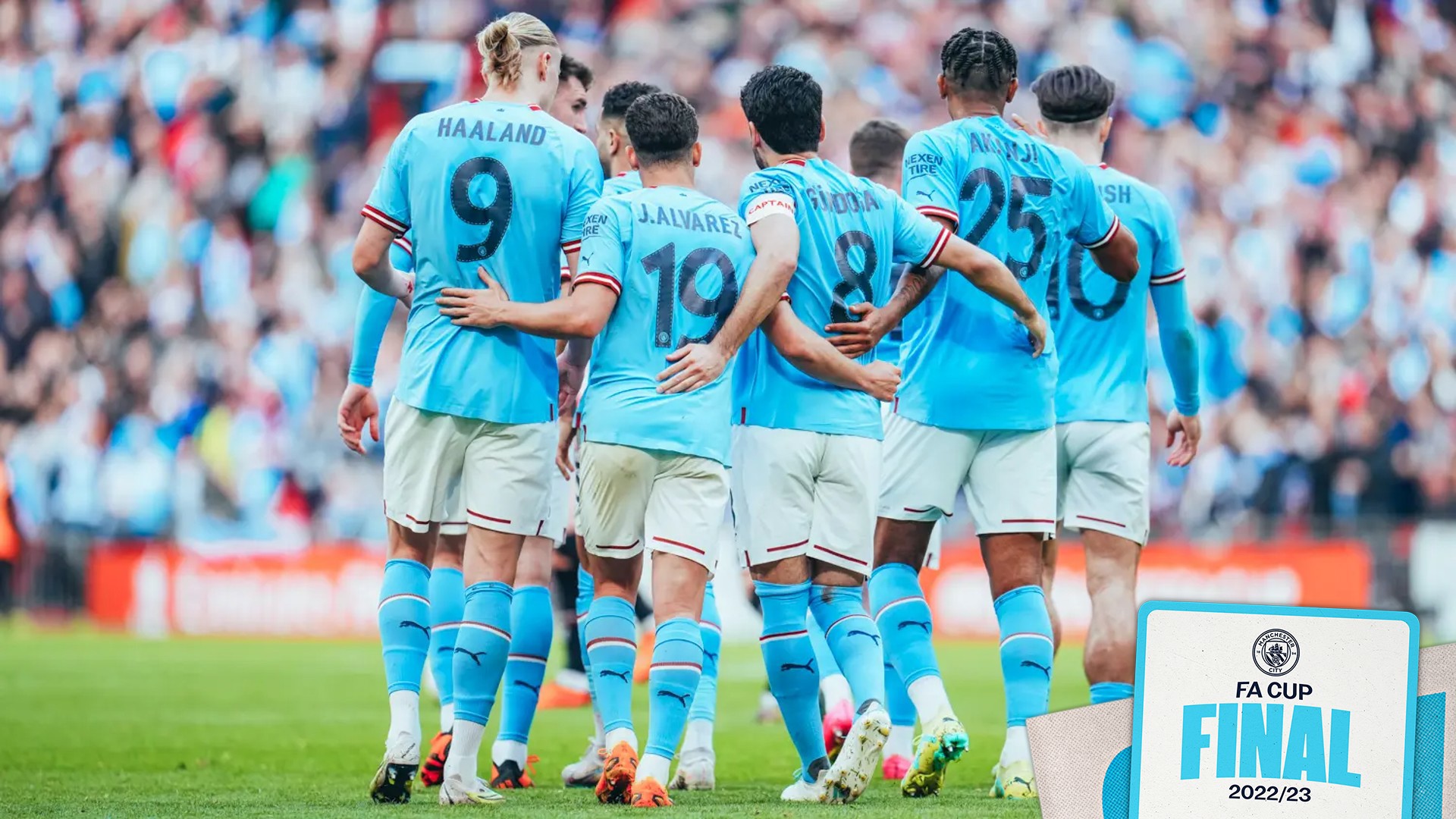
As the competition progresses, teams face increasingly formidable opponents. The quarterfinals and semifinals are often marked by thrilling matches and dramatic moments. For instance:
- The 2019 semifinal saw Manchester City and Brighton face off, with City emerging victorious in a nail-biting 1-0 match.
- The 2021 semifinal featured Chelsea defeating Manchester City, setting the stage for an all-London final.
The Final Showdown
The FA Cup final itself is a spectacle that captures the attention of the nation. The match is preceded by a grand opening ceremony, featuring performances and the iconic cup parade. The atmosphere is electric, with fans from both sides creating a cacophony of support.
Key Players to Watch
Every FA Cup final has its standout players who can turn the tide of the match. Some key players to watch may include:
- Goalkeepers: Often the unsung heroes, goalkeepers like Ederson (Manchester City) or Jordan Pickford (Everton) can make crucial saves that determine the outcome.
- Midfield Dynamos: Players like Kevin De Bruyne and Mason Mount are known for their ability to control the game and create scoring opportunities.
- Strikers: Players such as Harry Kane or Raheem Sterling have the ability to change the game with a single moment of brilliance.
Historical Rivalries

The FA Cup final is also a stage for historic rivalries. Matches between teams such as Manchester United and Liverpool or Chelsea and Arsenal carry extra weight, as they are often defined by years of competition and animosity.
Statistics and Records

The FA Cup final is steeped in records and statistics that highlight its legacy:
- The most successful club in FA Cup history is Arsenal, with 14 titles to their name.
- The record for the most goals scored in a single final is held by Manchester City, who defeated Watford 6-0 in 2019.
- The fastest goal in FA Cup final history was scored by Louis Saha of Everton just 25 seconds into the match against Chelsea in 2009.
The Cultural Impact of the FA Cup

The FA Cup extends beyond the pitch; it has a profound cultural impact on English society. The tournament brings together people from diverse backgrounds, fostering a sense of unity and community.
Community Engagement
Many clubs use the FA Cup as an opportunity to engage with their local communities. Initiatives may include:
- Organizing community days where fans can meet players and participate in events.
- Charity matches that raise funds for local causes.
- Outreach programs that promote youth participation in sports.
Media Coverage and Global Reach
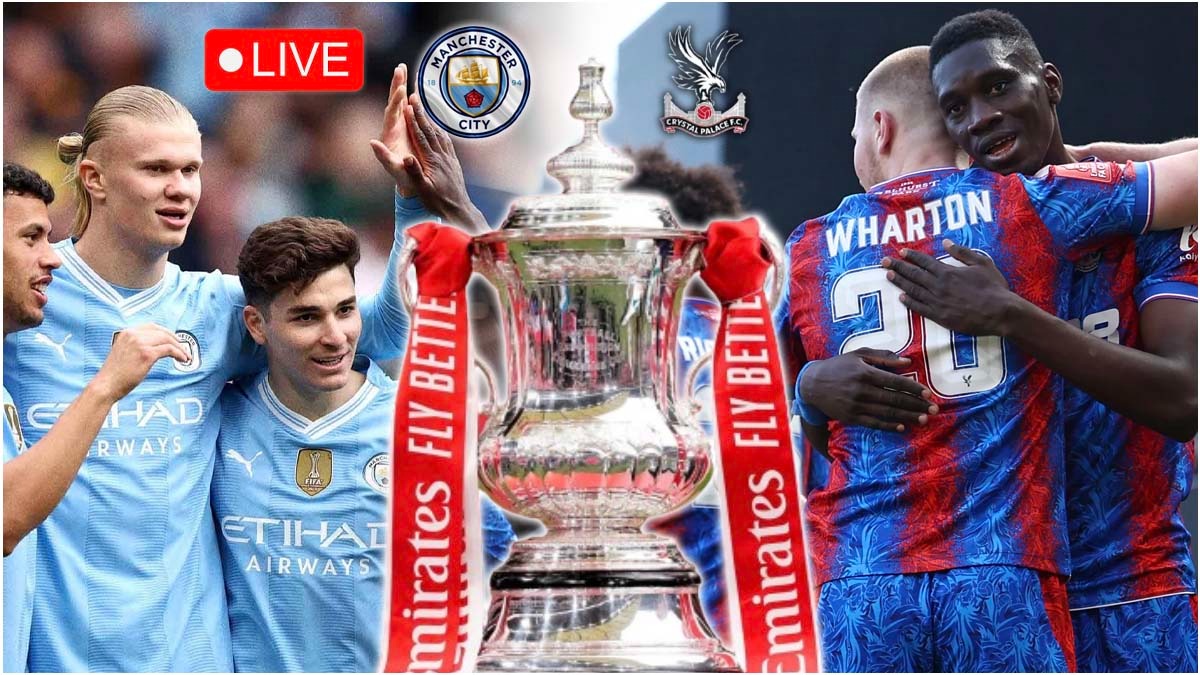
The FA Cup final garners extensive media coverage, not just in England but globally. Major broadcasters dedicate significant airtime to cover the event, showcasing the rich history and cultural significance of the cup. This global reach allows fans from around the world to witness the spectacle, highlighting the universal appeal of football.
A Legacy of Glory and Passion
The FA Cup final is more than just a football match; it is a celebration of tradition, resilience, and passion. As teams battle for glory, the echoes of history remind us of the enduring spirit of competition. The journey to the final is filled with drama, and the showdown at Wembley is a culmination of dreams realized and hopes dashed.
As we look forward to the next FA Cup final, it is essential to appreciate its significance in the world of football. The stories of triumph and heartbreak, the economic impact, and the cultural engagement all contribute to making the FA Cup a cherished event in the hearts of fans. With each passing year, the FA Cup continues to shape the history of English football, ensuring that it remains a vital part of the sporting landscape for generations to come.
