North Korea, officially known as the Democratic People’s Republic of Korea (DPRK), remains one of the most secretive and isolated countries in the world. Under the leadership of Kim Jong Un, the nation has continued to uphold its stringent policies and maintain a unique lifestyle that is starkly different from the rest of the globe. This article provides an in-depth look at the daily life of ordinary North Koreans under Kim’s regime, exploring various aspects such as work, education, food, and social interactions.
The Daily Routine: Structure and Control
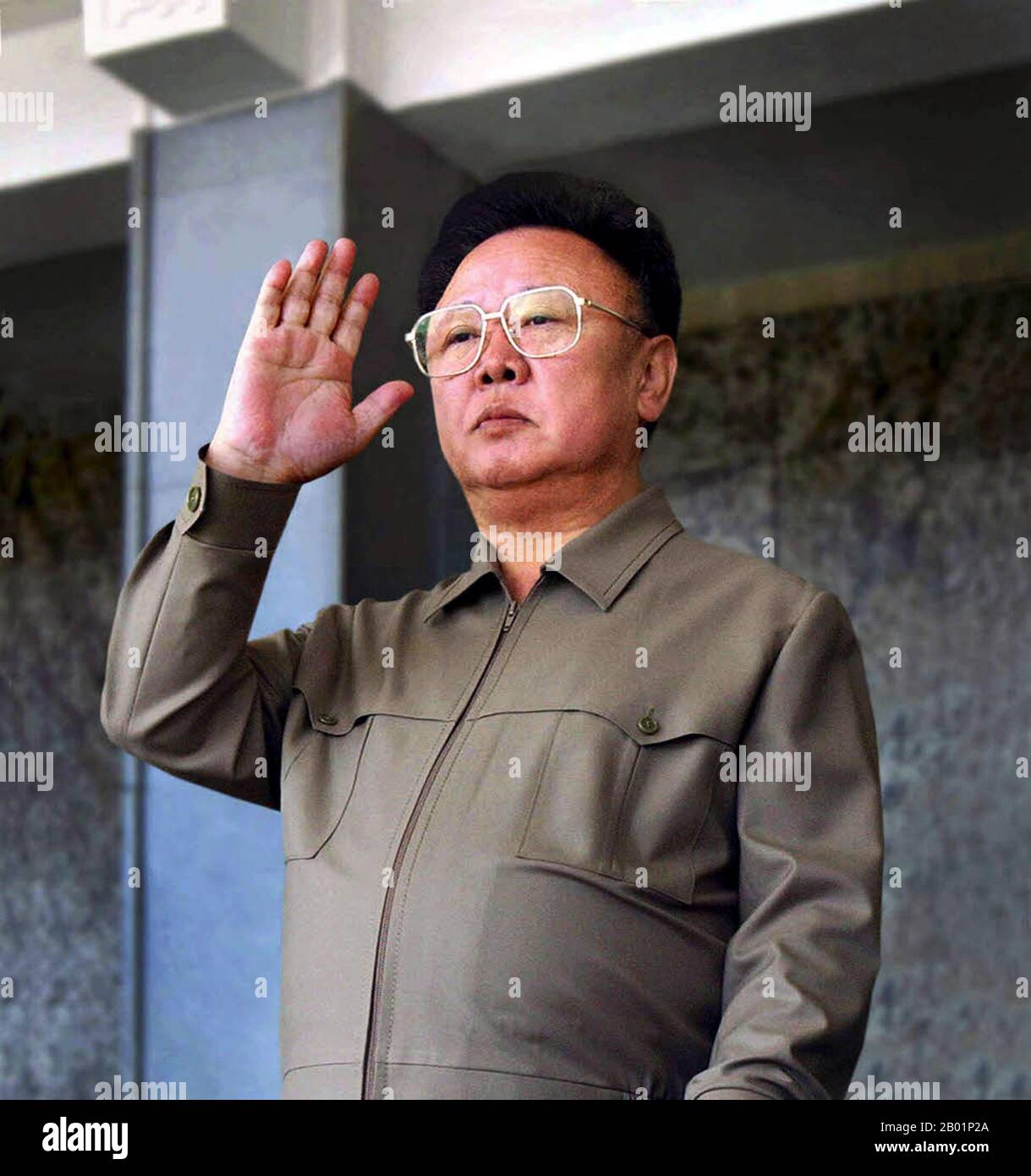
A day in North Korea is meticulously structured, reflecting the regime’s emphasis on discipline and order. The daily routine is a combination of state-mandated activities and personal responsibilities, often monitored closely by the government.
- Morning Routine: The average North Korean begins their day early, often around 6:00 AM. Mornings typically start with physical exercise, such as calisthenics or jogging, which is encouraged by the state. This is followed by breakfast, usually consisting of rice and kimchi.
- Work Hours: Most citizens work in state-run enterprises or farms, adhering to a strict schedule from 8:00 AM to 5:00 PM. Workers are often subject to strict attendance policies and performance evaluations.
- Afternoon Activities: After work, many citizens participate in state-organized activities such as propaganda sessions, educational courses, or community service. These activities are designed to reinforce loyalty to the regime.
- Evening Family Time: Evenings are typically spent with family, where discussions often revolve around state-approved topics. Television programs are heavily censored, focusing on glorifying the Kim family and the state’s achievements.
Education: Indoctrination and Information Control
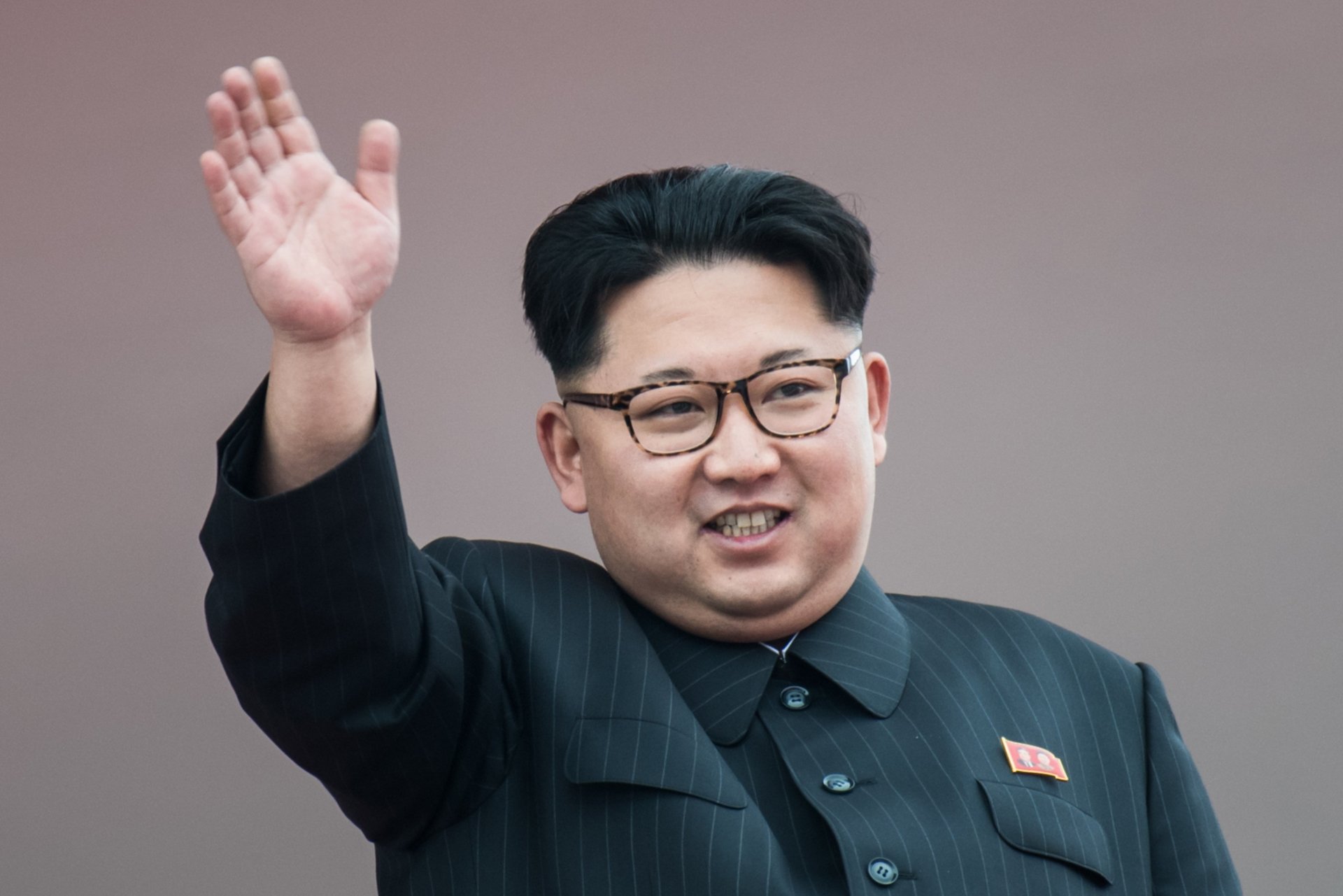
Education in North Korea serves as a tool for indoctrination, ensuring that citizens grow up with a deep-seated loyalty to the regime. The education system is highly centralized and follows a strict curriculum aligned with the principles of Juche, the state ideology.
- Early Education: Children begin their education at a young age, often starting preschool at age three. The curriculum includes subjects like Korean language, mathematics, and the study of Kim Il-sung and Kim Jong Il’s teachings.
- Higher Education: Access to universities is limited, with only a select few students allowed to continue their education. University life is dominated by political education, emphasizing the importance of the Kim family in the nation’s history.
- Extracurricular Activities: Students are encouraged to participate in cultural activities such as singing and dancing, often performing at state events. These activities reinforce the state’s values and showcase the regime’s control over cultural expression.
Food and Nutrition: Rationing and Scarcity
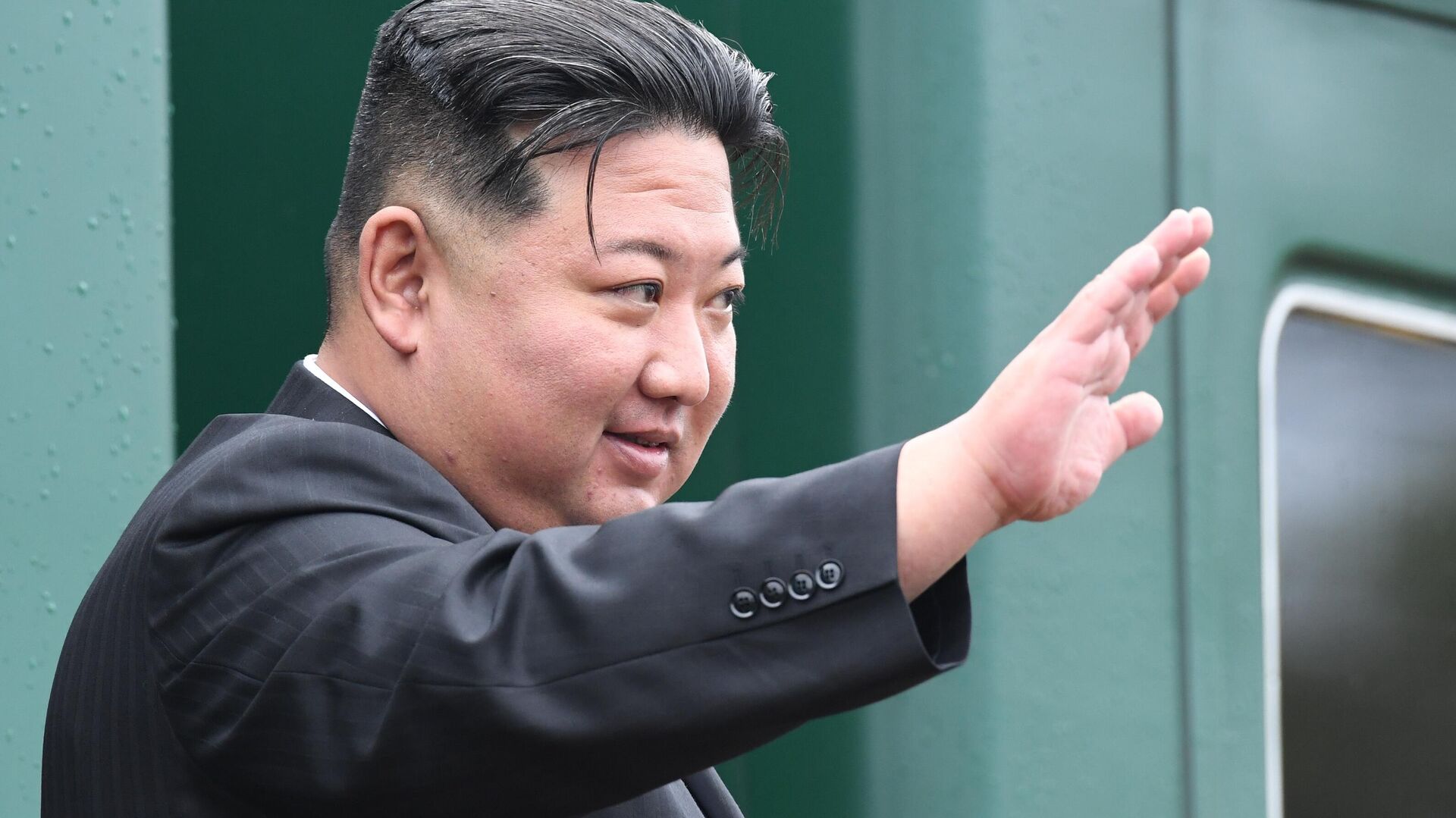
The food situation in North Korea is dire, with many citizens facing chronic shortages and malnutrition. The regime controls the distribution of food through a state-run rationing system, which often leads to disparities in access.
- State Rations: Citizens receive monthly food rations, which typically include staples like rice, corn, and potatoes. However, these rations are often insufficient, leading to widespread hunger.
- Marketization: In recent years, informal markets have emerged, allowing some citizens to buy and sell food. These markets, while illegal, provide a necessary supplement for many families but are subject to government crackdowns.
- Health Consequences: Malnutrition has serious health implications, particularly for children. According to estimates from the World Food Programme, around 60% of North Korean children are stunted due to chronic malnutrition.
Social Interactions: A Culture of Surveillance

Social life in North Korea is heavily regulated, with a pervasive culture of surveillance that affects interpersonal relationships. Citizens must navigate a landscape where trust is a rare commodity.
- Community Groups: Citizens are often organized into neighborhood watch groups, where they are encouraged to report any “anti-state” behavior. This fosters an atmosphere of fear and mistrust among neighbors.
- Limited Communication: Communication with the outside world is severely restricted. Most North Koreans do not have access to the internet, and foreign media is banned. This information blackout contributes to the regime’s control over public perception.
- Social Gatherings: Socializing typically occurs within the confines of family or tightly-knit community groups. Public gatherings are often organized by the state and serve as a platform for political propaganda.
The Role of Propaganda: Shaping Reality
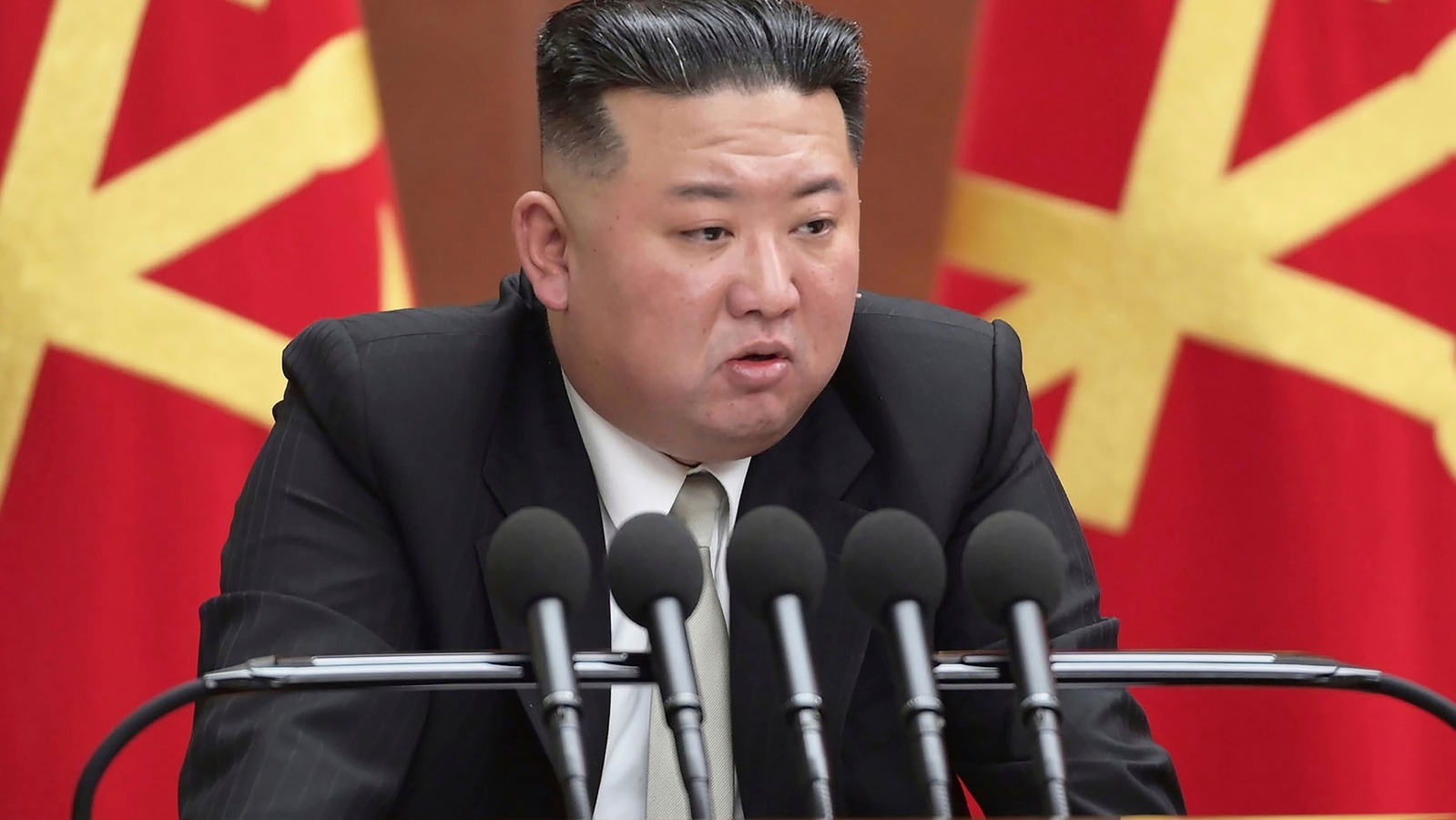
Propaganda plays a critical role in shaping the perceptions and beliefs of North Koreans. The government uses various mediums to control the narrative and maintain loyalty to the regime.
- Media Control: All media in North Korea is state-controlled. Newspapers, television, and radio broadcasts are filled with glorifying content about Kim Jong Un and the accomplishments of the state.
- Public Celebrations: National holidays and state anniversaries are marked by grand parades and celebrations that emphasize the strength of the nation and the leadership of the Kim family.
- Censorship: Any dissenting opinions or negative information about the regime are met with severe punishment. This environment stifles creativity and critical thinking among the populace.
Living Under Kim Jong Un
![[100+] Kim Jong Un Pictures](https://wallpapers.com/images/hd/kim-jong-un-pictures-r1jzpz6psb0b3z0z.jpg)
A day in the life of an average North Korean under Kim Jong Un is characterized by a rigid structure, constant surveillance, and a deep-rooted ideology that permeates every aspect of life. While the regime maintains a facade of strength and unity, the reality for many citizens is one of struggle, scarcity, and repression.
As the world continues to grapple with the implications of North Korea’s isolationist policies, understanding the daily life of its citizens is crucial. The challenges faced by ordinary North Koreans highlight the stark contrast between the regime’s propaganda and the harsh realities of life under a totalitarian government.
Through education, food scarcity, social interactions, and the omnipresent role of propaganda, the lives of North Koreans reveal a society that is not only shaped by its leadership but also profoundly affected by the consequences of isolation and control. The international community must continue to advocate for human rights and strive for a future where the people of North Korea can experience freedom and dignity.