Colonial dining rooms evoke a sense of history, warmth, and refined taste. Rooted in the early American period, this style emphasizes symmetry, natural materials, and understated elegance. Whether you’re restoring a historic home or simply love the classic look, incorporating colonial dining room ideas can transform your space into a welcoming retreat. From rich wood tones to simple linens, every detail contributes to a timeless aesthetic. In this guide, we’ll explore key elements, furniture choices, colors, lighting, and more to help you design the perfect colonial dining room.
Key Elements of Colonial Style
Colonial design draws inspiration from the 17th and 18th centuries, blending European influences with American practicality. Central features include symmetrical layouts, handcrafted furniture, and natural materials like wood, stone, and iron. The style prioritizes function without sacrificing beauty. Expect to see high ceilings, large windows, and a central focal point such as a fireplace or a substantial dining table. Muted colors, simple moldings, and handwoven textiles complete the look. Understanding these fundamentals will guide your choices as you curate your colonial dining room.
Choosing the Right Furniture
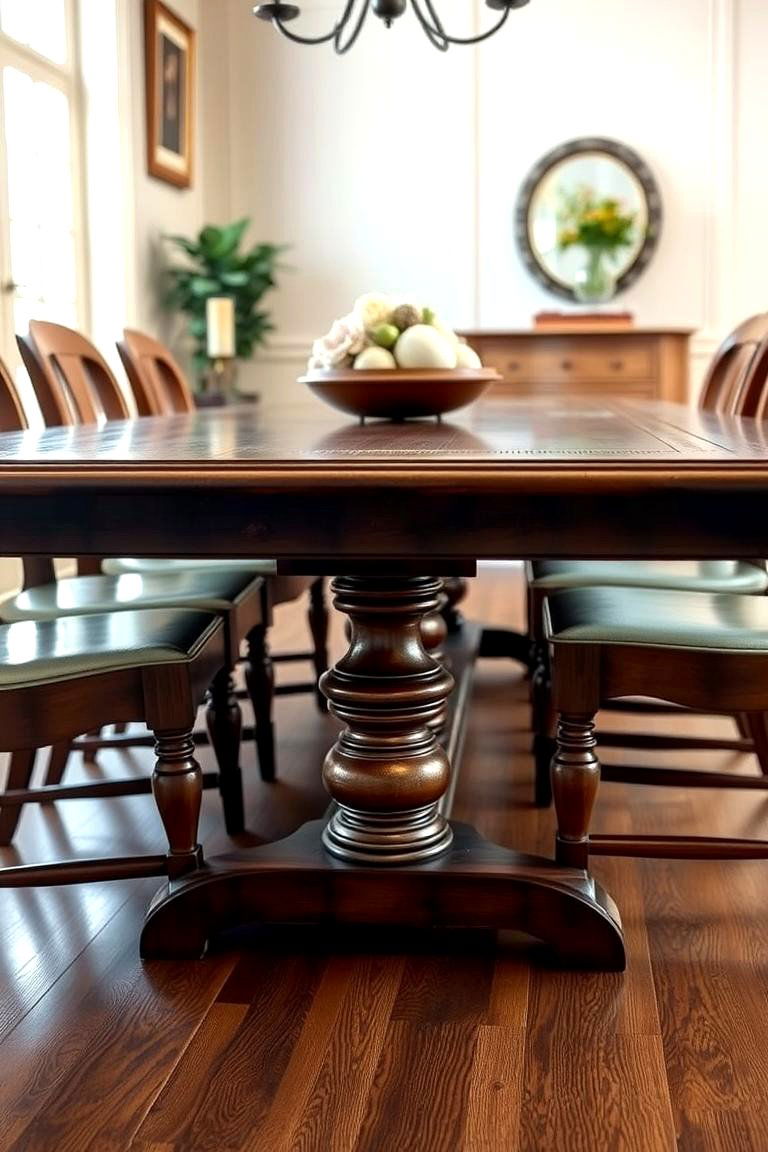
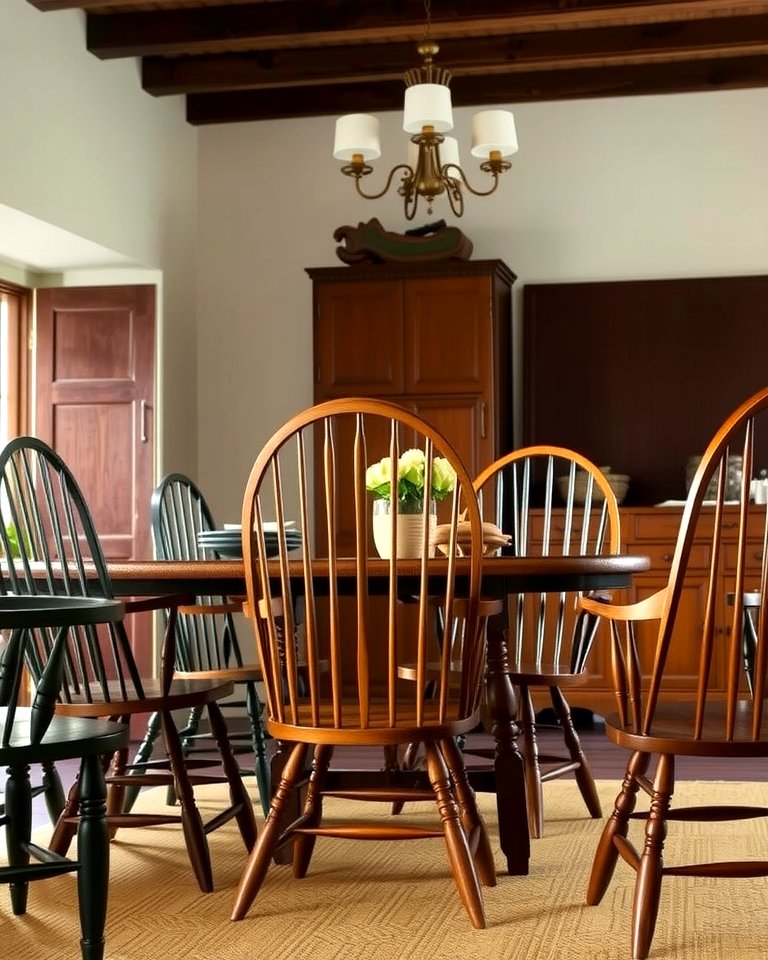
Furniture is the backbone of any colonial dining room. A sturdy wooden table—often in dark cherry, mahogany, or oak—commands the space. Look for tables with turned legs, trestle bases, or drop-leaf designs that echo colonial craftsmanship. Matching chairs should have ladder backs or Windsor styles with woven seats for authenticity. A china cabinet or sideboard adds storage and display space for heirloom plates or glassware. When selecting pieces, prioritize quality and durability; colonial furniture was built to last. Consider distressed finishes for a weathered look or rich stains for formality.
Color Palette and Patterns
Colonial dining rooms typically feature warm, earthy tones. Deep reds, olive greens, mustard yellows, and navy blues are classic choices. Walls are often painted in muted shades or covered with subtle wallpaper featuring toile, stripes, or floral motifs. White or cream trim provides contrast and highlights architectural details. For a more authentic feel, consider using milk paint or limewash for a matte, historical finish. Fabrics should complement the palette: linen, wool, and cotton in plaids, checks, or simple patterns. Avoid overly bright or modern shades—stick to hues that feel grounded and natural.
Lighting Fixtures
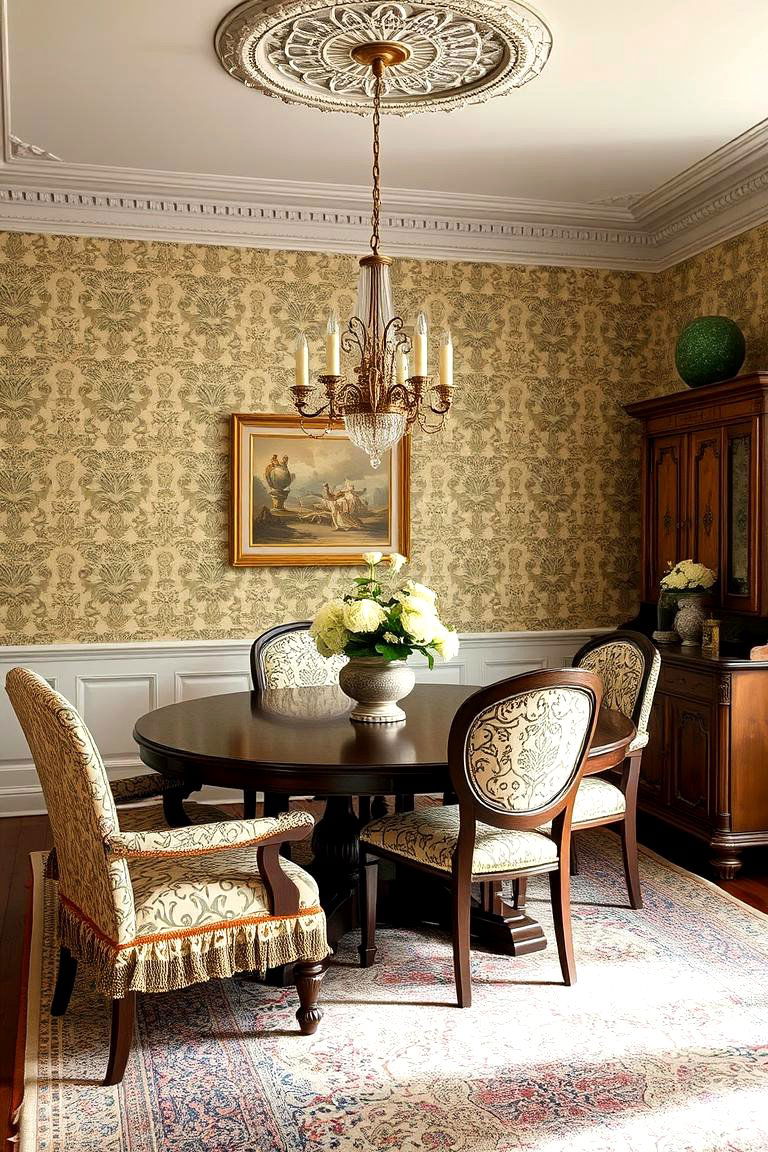
Lighting in a colonial dining room should be warm and atmospheric. Chandeliers are a staple, often made of wrought iron, brass, or pewter with candle-style bulbs. Look for designs with arms that curve outward and hold faux candles. Lanterns and sconces with glass panels add soft, diffused light. If you have a fireplace, flank it with matching sconces. For a more rustic touch, consider a wooden chandelier or a wrought-iron fixture with exposed bulbs. Dimmer switches allow you to adjust the ambiance from bright family dinners to intimate gatherings.
Flooring and Textiles
Wood floors are essential in a colonial dining room. Wide planks in oak, pine, or maple, stained dark or left natural, create a historic foundation. If you have carpet, opt for a wool or braided rug in a geometric pattern or solid color that anchors the table. Area rugs with borders or medallions work well. For windows, choose simple curtains or blinds; linen panels in cream or muted tones, or wooden shutters, maintain the colonial feel. Table linens should be practical yet elegant: a linen tablecloth or cotton placemats, and cloth napkins in classic folds.
Accessorizing Your Colonial Dining Room
Accessories bring personality to your colonial dining room. Start with a centerpiece: a wooden bowl of fruit, a pewter pitcher with dried flowers, or a collection of candlesticks. Hang framed artwork or mirrors with gilded or dark wood frames. Pewter and silver serveware, pottery, and glassware displayed on a sideboard add authenticity. Consider adding a grandfather clock, a wooden chest, or a wall-mounted candle holder. Keep decor simple and meaningful—each piece should tell a story or reflect the period. Plants like herbs or ferns in terracotta pots can introduce a touch of life.
Blending Colonial with Modern Touches
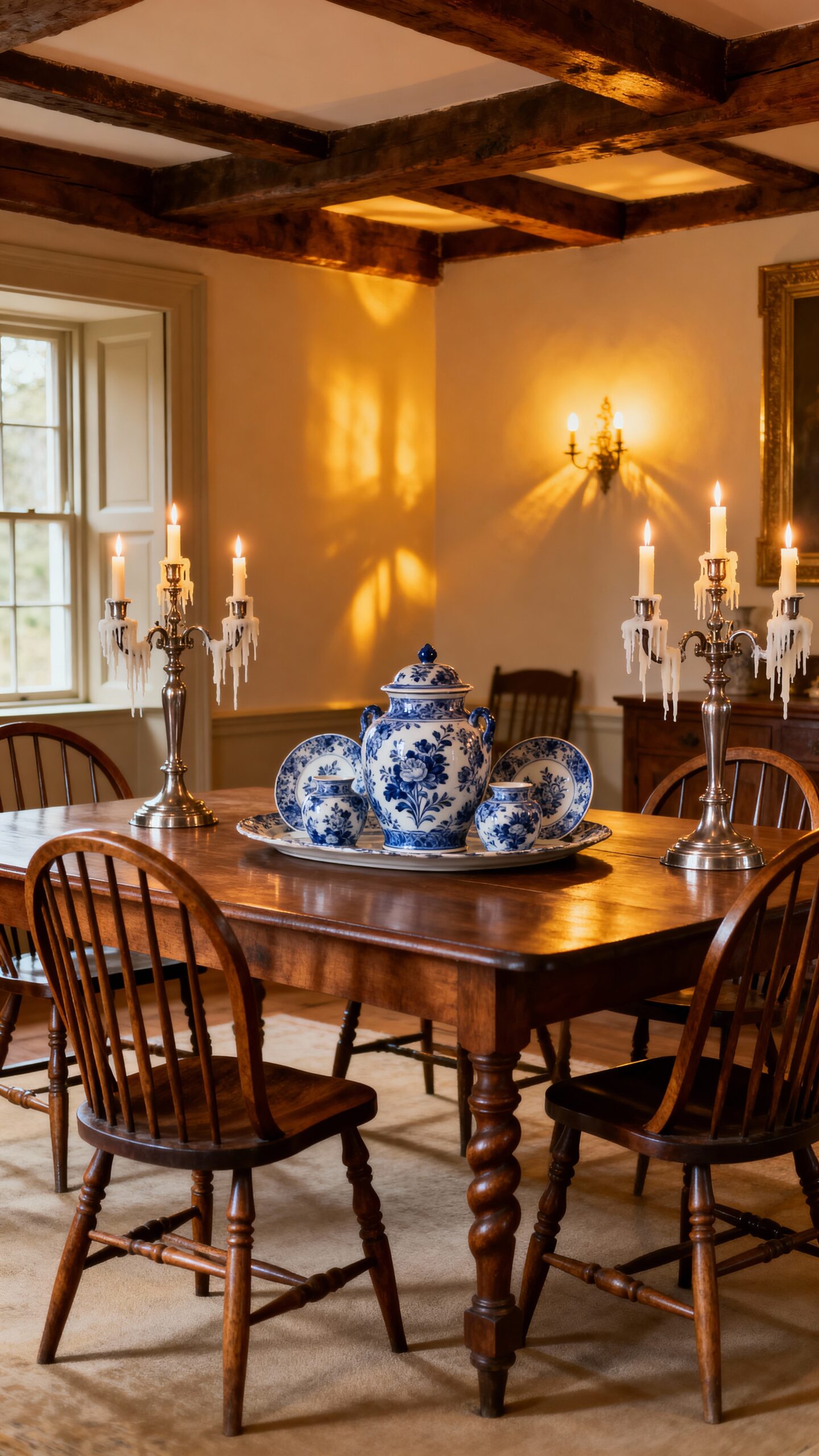
While colonial style is traditional, you can incorporate modern elements for comfort and functionality. Use contemporary lighting with colonial-inspired shapes or install a smart dimmer system. Incorporate modern upholstery on chairs for extra comfort without sacrificing the look. Add an electric fireplace insert for convenience. Mix in mid-century modern accents like a sleek sideboard or abstract art if done sparingly. The key is balance: keep the overall aesthetic grounded in colonial roots while allowing a few updates that enhance livability.
Frequently Asked Questions
What is the difference between colonial and farmhouse style?
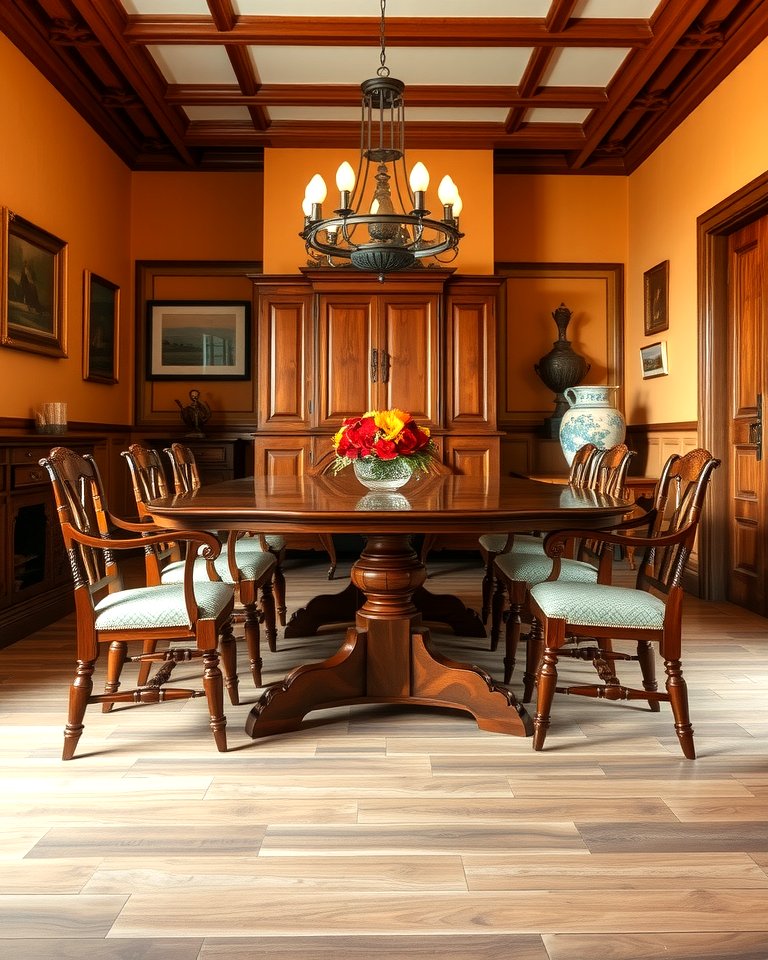
Colonial style is more formal and symmetrical, often featuring dark woods and classic patterns, while farmhouse style is rustic and casual with lighter woods and more distressed finishes.
Can I use colonial furniture in a small dining room?
Yes, choose a round drop-leaf table or a compact trestle table. Lighten the color palette to avoid overwhelming the space, and use mirrors to create an illusion of depth.
What flooring works best in a colonial dining room?
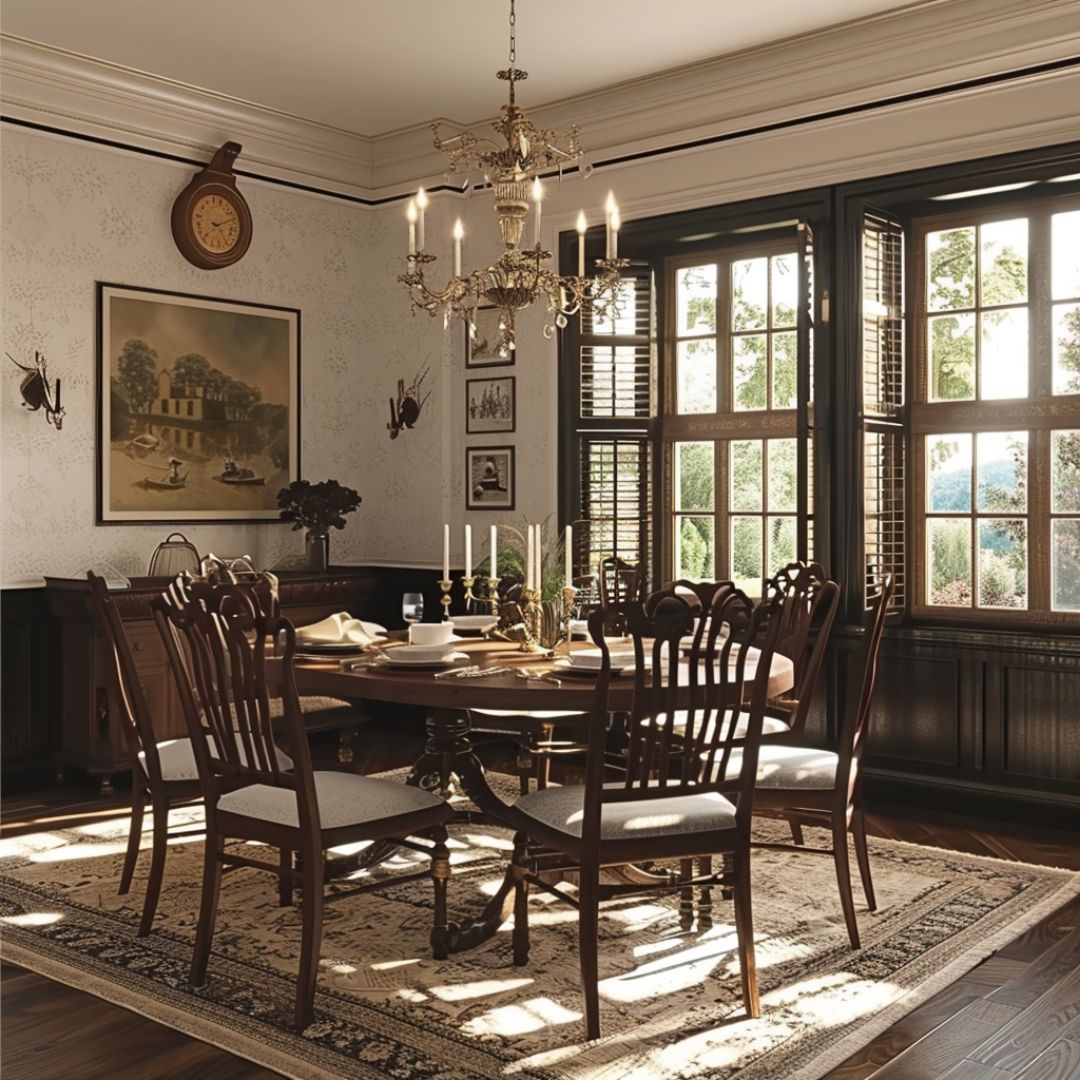
Hardwood floors in oak or pine are ideal. If you prefer carpet, use a low-pile, natural fiber rug. Avoid modern laminate or shiny finishes.
How do I add colonial charm without spending a fortune?
Focus on paint colors, thrifted furniture, and DIY upgrades like changing hardware. Incorporate inexpensive textiles like linen curtains and braided rugs.
Designing a colonial dining room is about celebrating history while creating a space for modern life. By focusing on timeless furniture, warm colors, and authentic details, you can achieve an elegant yet inviting atmosphere. Whether you follow the style strictly or blend in personal touches, the result will be a room that feels both classic and comfortable. Remember, the best colonial dining rooms are those that honor the past without sacrificing function or warmth. Start with one element—perhaps a rich mahogany table or a wrought-iron chandelier—and build from there. Your colonial dining room will soon become the heart of your home, where family and friends gather for meals and memories.